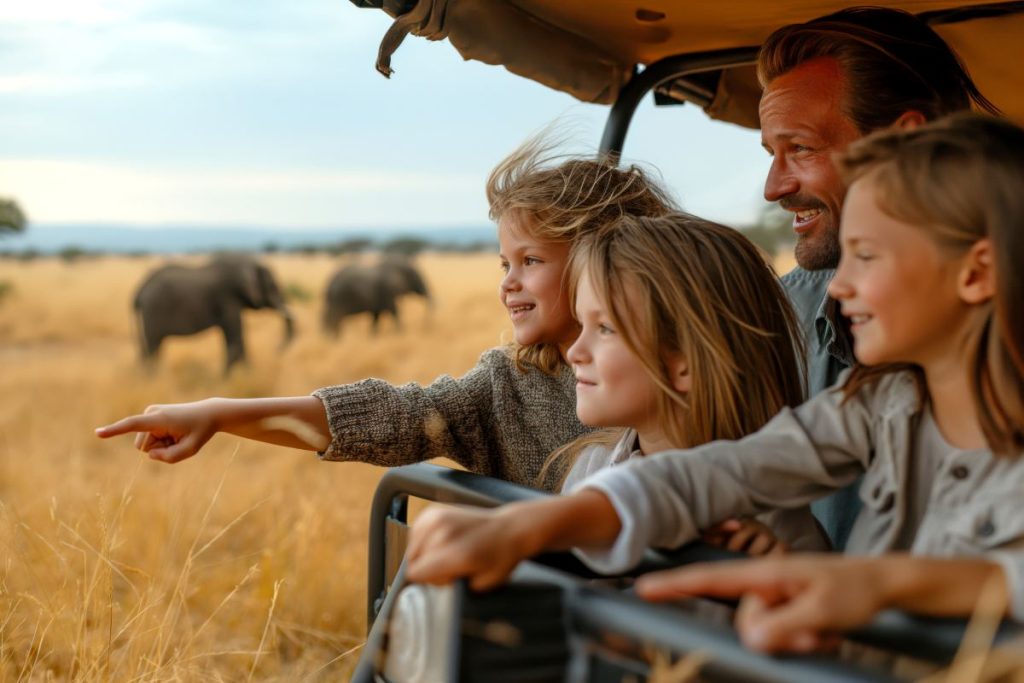
Planning a safari in Tanzania is rarely just about choosing a destination. It is about choosing a style of travel – one that shapes how you experience wildlife, landscapes, and time itself. For many travellers, the decision eventually comes down to two distinct approaches: a family safari or an adventure safari.
Both offer unforgettable encounters with Africa’s wilderness, from sweeping savannahs filled with wildlife to intimate moments watching elephants at sunset. But the rhythm, pace, and overall experience can feel very different.
For anyone planning the right Tanzanian safari, understanding these differences is key to creating a journey that feels perfectly suited to your expectations, travel style, and companions.
Understanding the Two Safari Styles
At their core, both family safaris and adventure safaris share the same foundation: guided exploration of Tanzania’s national parks and wildlife areas. The difference lies in structure, intensity, comfort level, and flexibility.
- Family safaris prioritise comfort, safety, education, and accessibility for all ages
- Adventure safaris focus on immersion, flexibility, and a more active, exploratory style of travel
Neither is better than the other. Instead, they cater to different types of travellers and different ways of experiencing the wild.
What Is a Family Safari?
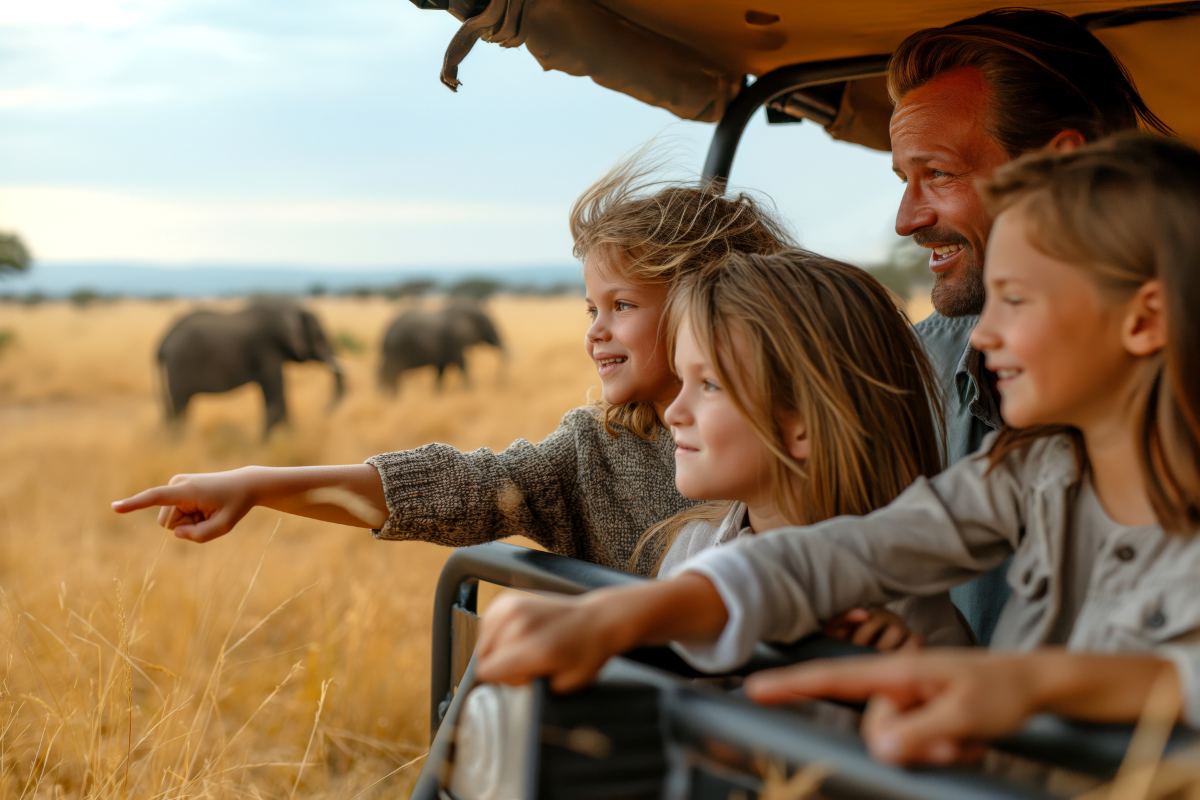
A family safari is designed to make wildlife travel accessible, engaging, and comfortable for travellers of all ages. This includes young children, teenagers, and multi-generational groups.
The Experience
Family safaris typically move at a slightly slower pace, with shorter game drives and more frequent breaks. The focus is on enjoyment, education, and comfort rather than intensity or endurance.
Guides often adapt their storytelling to suit younger travellers, turning animal sightings into engaging learning moments. Spotting lions, elephants, or giraffes becomes not just exciting, but educational.
Accommodation and Comfort
Lodges and camps used for family safaris often include:
- Family suites or interconnected rooms
- Swimming pools and communal relaxation areas
- Kid-friendly menus and flexible meal times
- Safe, enclosed environments in wildlife areas
The aim is to balance wilderness immersion with reassurance and convenience.
Activities for All Ages
Family safaris often include additional experiences beyond game drives, such as:
- Nature walks in safe, guided areas
- Cultural visits to local communities
- Junior ranger programmes for children
- Shorter, more frequent safari drives
These activities help maintain engagement while avoiding fatigue.
Who It’s Best For
A family safari is ideal for:
- Families with young children or teenagers
- Multi-generational travel groups
- First-time safari travellers seeking comfort and structure
- Travellers prioritising safety and ease of logistics
What Is an Adventure Safari?
An adventure safari offers a more immersive and flexible way to experience Tanzania’s wilderness. It is often chosen by couples, solo travellers, or small groups seeking deeper engagement with nature and a greater sense of exploration.
The Experience
Adventure safaris are less structured, with longer game drives and greater focus on tracking wildlife, following movements, and responding to conditions in real time.
There is a stronger emphasis on spontaneity. A guide might extend a drive if a predator sighting emerges or adjust the route to follow migration patterns or animal behaviour.
This style often feels more dynamic and unpredictable, with each day shaped by the rhythm of the wild rather than a fixed schedule.
Accommodation and Setting
Adventure safaris often feature:
- Mobile camps or tented lodges in remote areas
- More rustic or authentic bush settings
- Closer proximity to wildlife zones
- Limited but comfortable amenities
While still safe and well-organised, the focus is on immersion rather than luxury. Falling asleep to distant animal calls or waking to sunrise over the plains is part of the experience.
Activities and Pace
Adventure safaris may include:
- Full-day game drives with picnic lunches in the bush
- Off-the-beaten-track routes in less crowded areas
- Photography-focused excursions
- Early morning and late evening wildlife tracking
The pace is more flexible, often allowing for deeper exploration of specific sightings or behaviours.
Who It’s Best For
An adventure safari suits:
- Couples seeking immersive shared experiences
- Solo travellers or small groups
- Photographers and wildlife enthusiasts
- Travellers comfortable with a more rustic experience
Wildlife Viewing: Different Approaches, Same Reward
Both safari styles offer exceptional wildlife viewing opportunities, but the approach differs.
On a family safari, the emphasis is often on key sightings and accessibility. Guides prioritise well-known wildlife areas where animals are easier to find, ensuring consistent and rewarding encounters without long periods of searching.
On an adventure safari, the experience may feel more like a journey of discovery. Guides often track movements more actively, follow less predictable routes, and spend longer periods observing behaviour once animals are found.
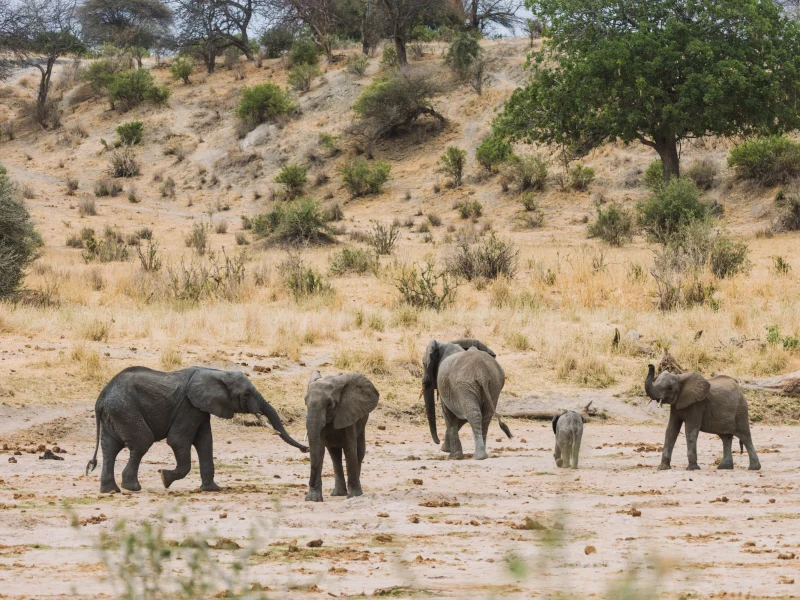
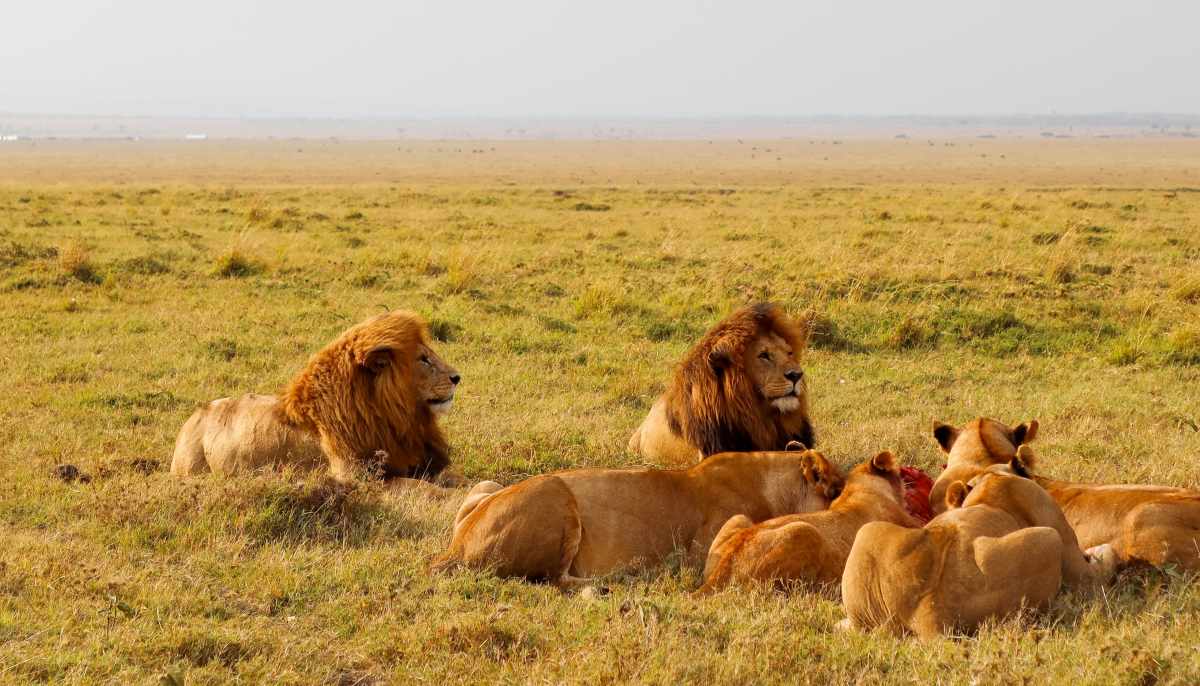
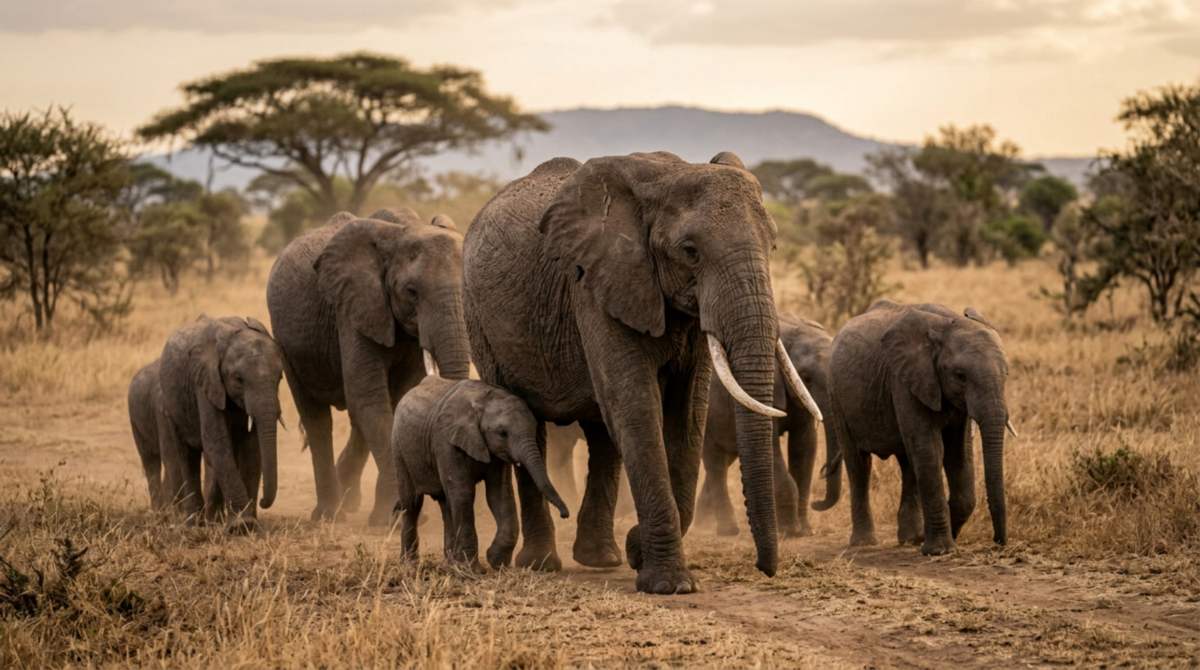
Both approaches can lead to incredible sightings, including lions, elephants, giraffes, cheetahs, and even elusive leopards. The difference lies in how those moments are reached and experienced.
For travellers interested in big game viewing excursions, both safari styles offer outstanding opportunities, though adventure safaris may provide slightly more varied or extended encounters.
Accommodation: Comfort vs Immersion
Accommodation is one of the clearest distinctions between the two safari styles.
Family Safari Lodges
- Higher comfort levels
- Fixed lodges with amenities
- Swimming pools and communal spaces
- Family-friendly services and staff support
Adventure Safari Camps
- Tented or mobile camps
- Closer connection to nature
- Fewer distractions and simpler facilities
- Greater sense of wilderness immersion
Neither option is inherently superior. It depends entirely on whether comfort or immersion is your priority.
Safety and Support
Both safari types are guided by experienced professionals and follow strict safety protocols. Wildlife areas are never explored independently, and all game drives are conducted with trained guides who understand animal behaviour and terrain conditions.
Family safaris tend to emphasise reassurance, structure, and predictable environments. Adventure safaris allow for more flexibility but remain fully supported and safe throughout.
Time, Distance, and Itinerary Design
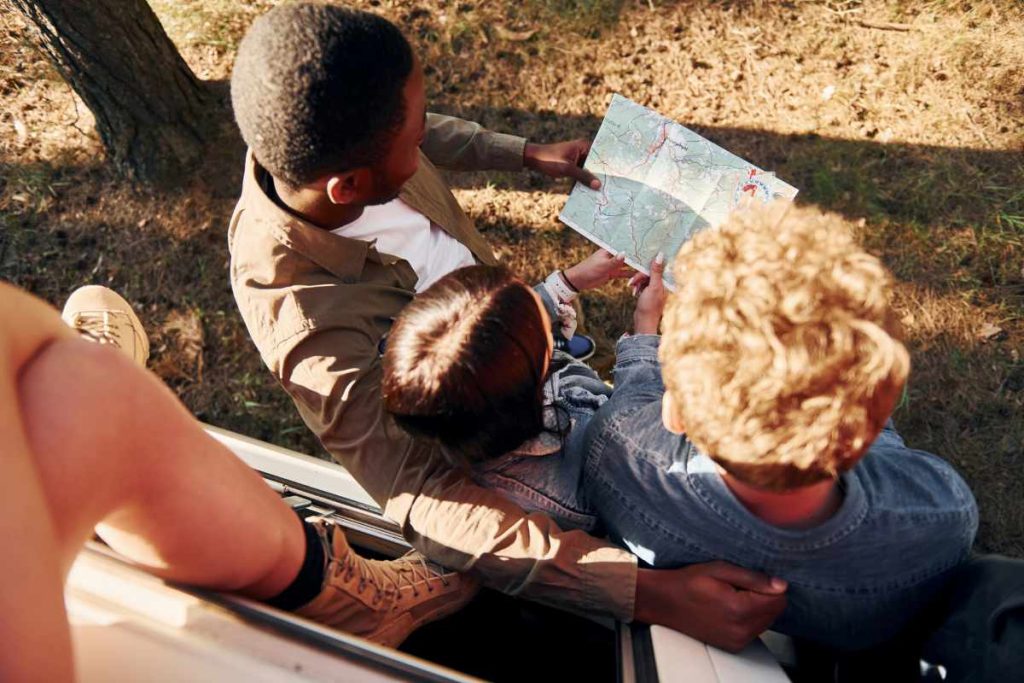
One of the most important differences lies in how time is used.
Family safaris generally include:
- Shorter driving distances
- More rest periods
- A structured daily rhythm
Adventure safaris often feature:
- Longer, full-day explorations
- Early starts and late returns
- Greater geographical coverage
For travellers considering a longer journey or multi-park experience, both styles can be adapted to suit broader itineraries.
Cost Considerations
While pricing varies widely depending on accommodation level and season, there are general trends:
- Family safaris often involve larger lodges and structured services, which can increase costs depending on group size and room configuration
- Adventure safaris may offer more flexibility in budget, especially with mobile camps and simpler accommodations
However, both styles can be tailored across a wide range of budgets.
Choosing Between the Two
The decision ultimately comes down to how you want to experience Tanzania’s wilderness.
Choose a family safari if you want:
- Comfort and structure
- Child-friendly activities
- Predictable pacing
- Easier logistics
Choose an adventure safari if you want:
- Immersive wilderness experiences
- Greater flexibility
- Longer and more dynamic game drives
- A deeper sense of exploration
Both offer unforgettable encounters with Tanzania’s landscapes and wildlife. The best choice is the one that aligns with your expectations and travel companions.
Choosing The Right Experience For You
Safari travel in Tanzania is incredibly diverse, and there is no single ‘correct’ way to experience it. Whether you choose a family safari or an adventure-focused journey, the essence remains the same: extraordinary wildlife, breathtaking scenery, and moments that stay with you long after the journey ends.
What matters most is selecting a style that matches your comfort level, curiosity, and sense of adventure. When aligned correctly, either safari style can deliver a deeply rewarding experience in the heart of East Africa’s wilderness.
With just a bit of thoughtful preparation, every moment in the bush feels intentional, meaningful, and unforgettable.
FAQs
Which safari is better for young children?
A family safari is generally better, offering shorter drives, more comfort, and child-friendly activities.
Is an adventure safari safe?
Yes. All safaris are guided by professionals and follow strict safety protocols, regardless of style.
Can I combine both safari styles?
Yes. Many itineraries blend comfort-focused lodges with more immersive tented camps for a balanced experience.
Which safari offers better wildlife sightings?
Both offer excellent wildlife viewing. The difference is in pace and experience rather than quality of sightings.
Is one safari more expensive than the other?
Costs vary widely, but both styles can be adapted to different budgets depending on accommodation and itinerary choices.