Choosing a safari is about more than finding an exciting itinerary. For travelers considering conservation-focused East Africa group travel, the right safari should offer memorable wildlife encounters while supporting the landscapes, animals and communities that make the journey possible.
Responsible East Africa safari tours consider how vehicles approach wildlife, how guides are trained, where travelers stay and whether local communities receive meaningful benefits from tourism.
This guide explains what to examine before booking a conservation safari and which questions to ask before entrusting a company with your journey.
How to evaluate conservation-focused East Africa Group Travel Companies
1. Look for Specific conservation commitments
A responsible safari company should be able to explain how conservation is incorporated into its operations.
Look beyond general statements such as “eco-friendly” or “we support conservation.” Ask what the company does in practice. This may include:
- Contributing to protected areas and conservation programs
- Supporting anti-poaching or wildlife-monitoring initiatives
- Working with conservation-focused lodges and camps
- Educating travelers about wildlife protection
- Following responsible wildlife-viewing guidelines
- Reducing waste, water consumption and unnecessary fuel use
Credible companies are usually transparent about the initiatives they support and how tourism revenue contributes to conservation.
2. Examine their wildlife viewing practices
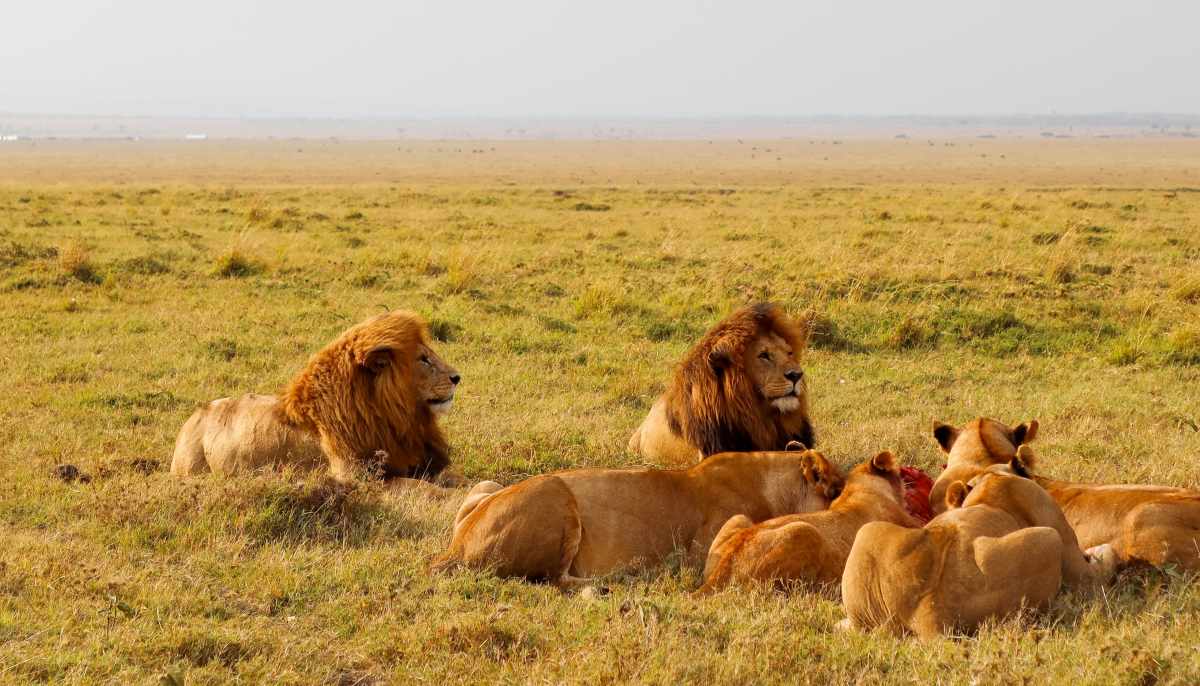
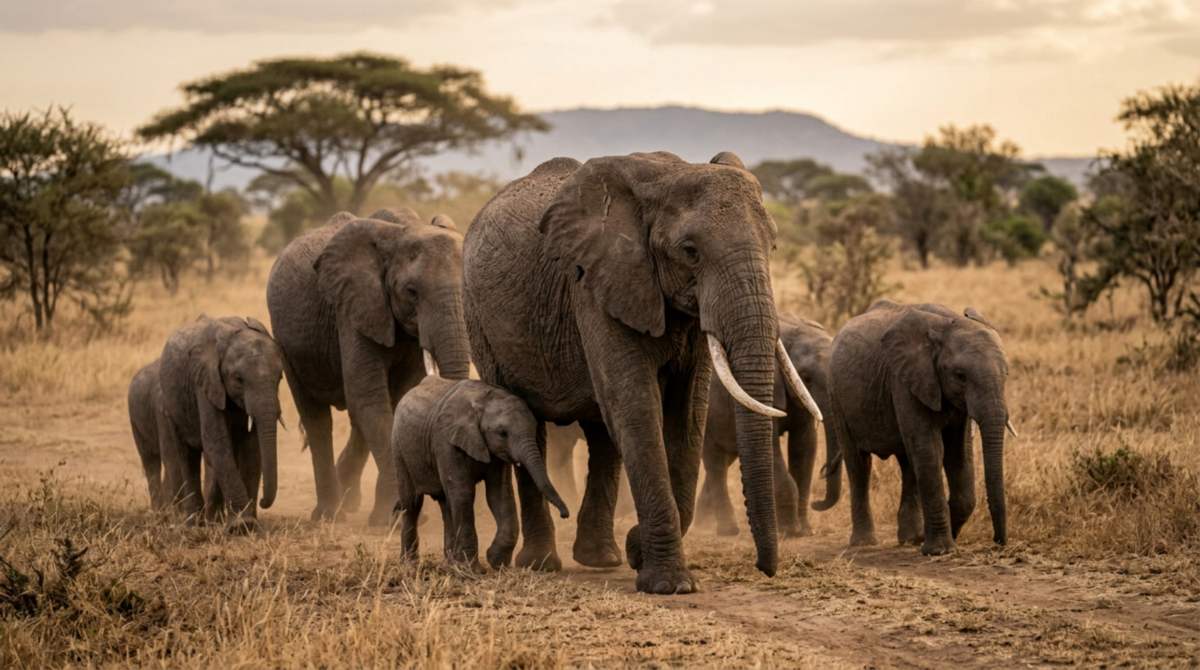
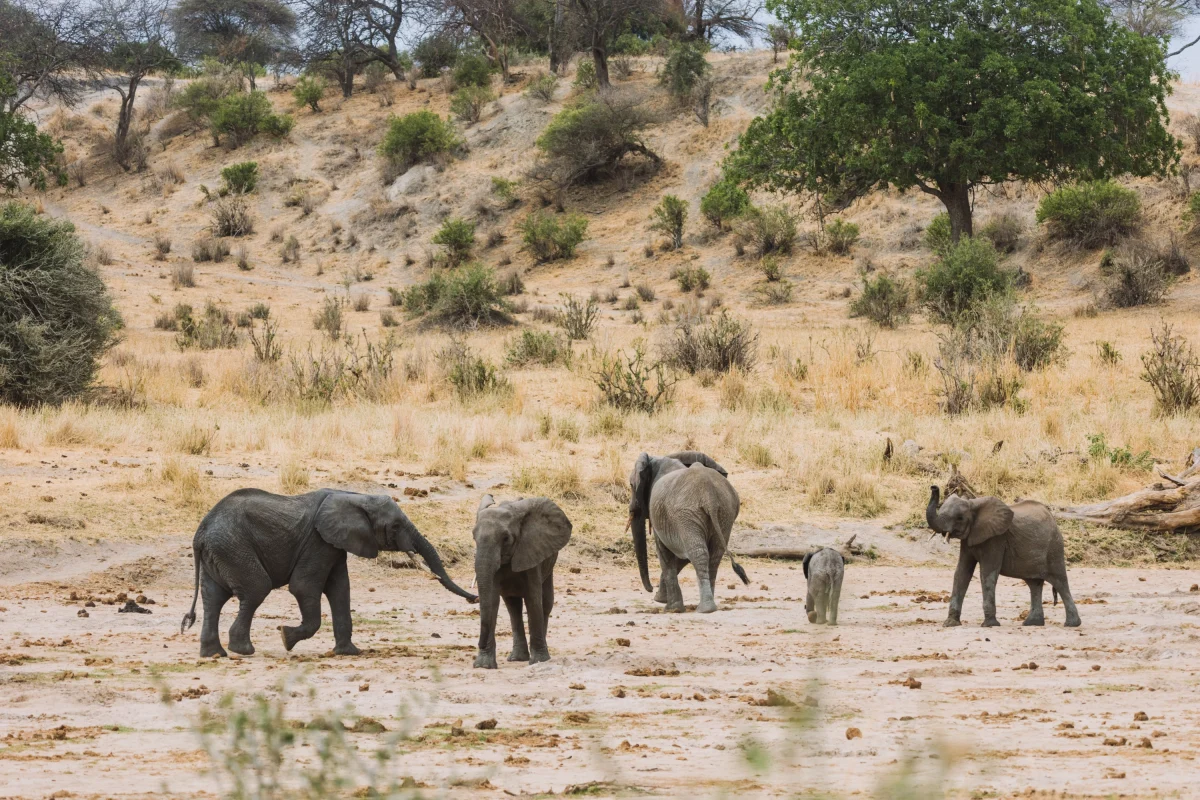
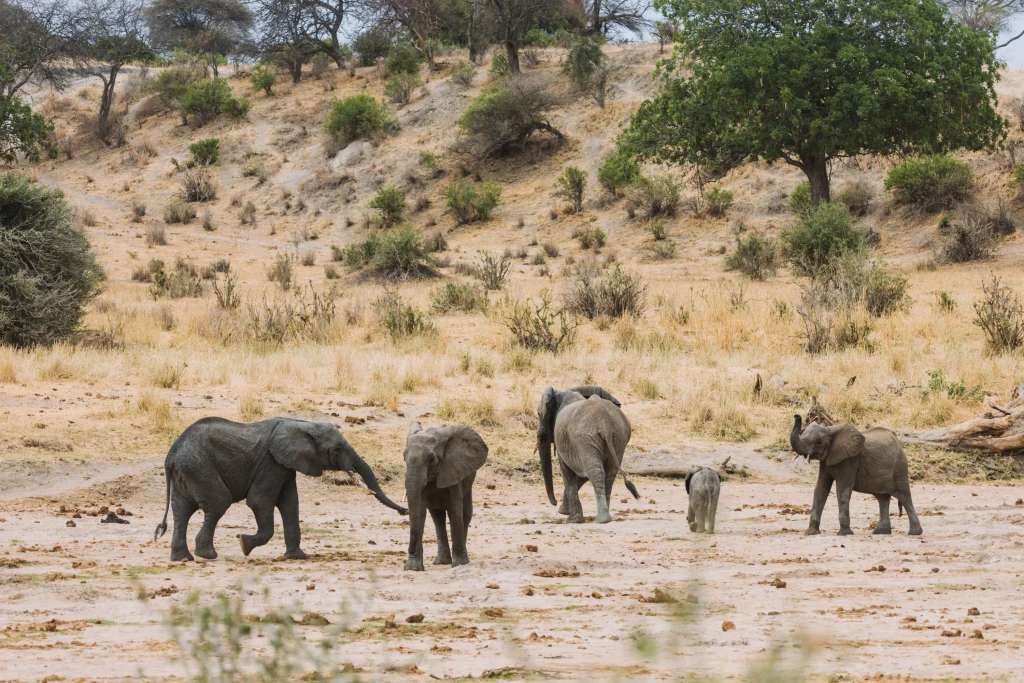
Seeing elephants, lions, leopards and other wildlife in their natural habitats is one of the highlights of East Africa safari tours. However, wildlife encounters must be managed responsibly.
A conservation-minded safari operator should instruct its guides to maintain an appropriate distance from animals, avoid blocking their movement and limit the time spent around sensitive sightings.
Responsible guides will not:
- Drive off-road where it is prohibited
- Surround or chase animals for photographs
- Pressure wildlife to change its natural behavior
- Disturb animals feeding
- Encourage travelers to feed or touch wild animals
- Crowd already congested sightings
An ethical safari may occasionally require giving up the “perfect photograph” to protect an animal’s space. That decision is a sign of professionalism, not a missed opportunity.
3. Choose qualified local safari guides
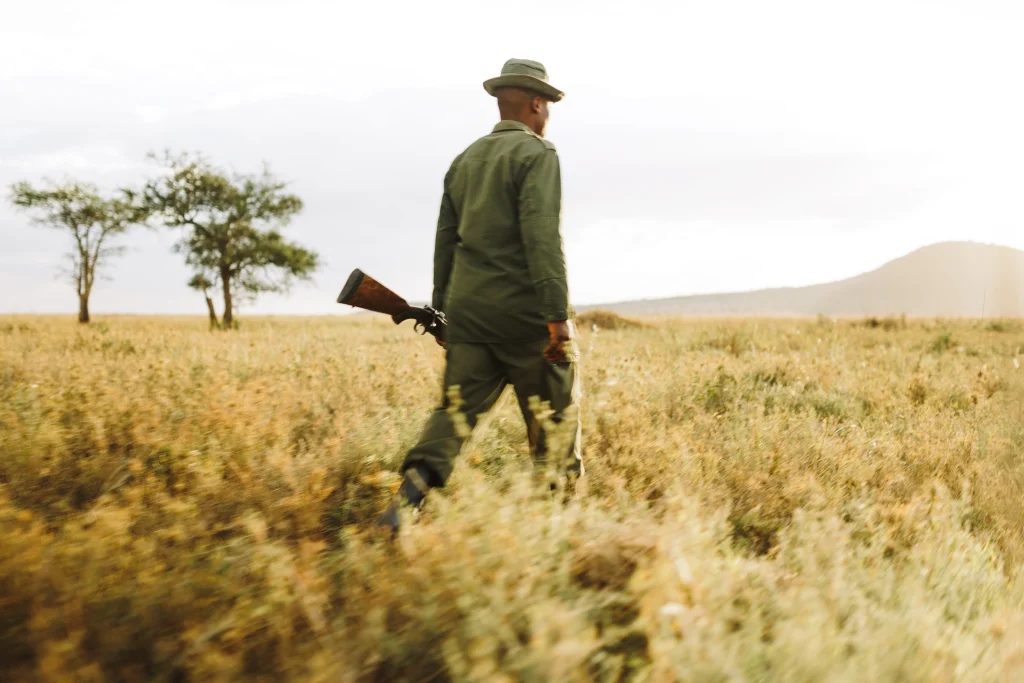
A good guide does much more than locate wildlife. Guides help visitors understand the relationships between animals, habitats, communities and conservation policies.
Before booking, find out whether the company works with trained and experienced guides. A knowledgeable guide should be able to interpret animal behavior, explain local ecosystems and communicate park regulations clearly.
The best guides also understand that conservation education should be engaging. They transform a wildlife sighting into a deeper story about migration, food chains, habitat protection and the challenges facing the ecosystem.
On group trips, guides play an additional role in managing different interests while ensuring that the entire group follows responsible viewing practices.
4. Find out how communities benefit
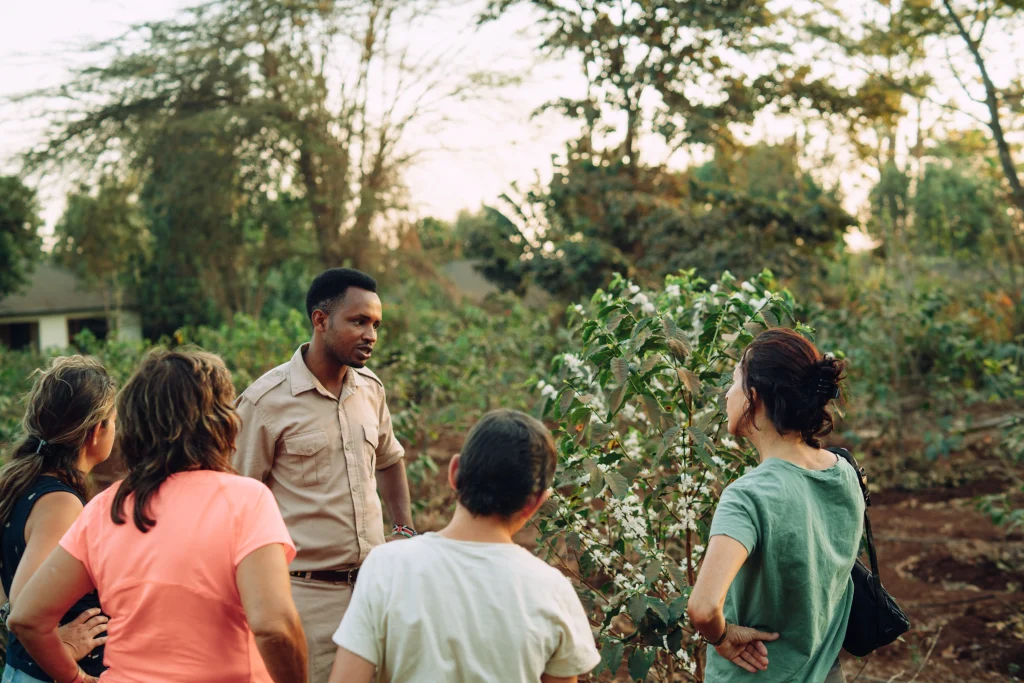
Effective conservation tourism recognizes that wildlife protection and community wellbeing are closely connected. Conservation is more sustainable when people living near protected areas receive meaningful benefits from tourism.
Look for safari companies that prioritize local participation through:
- Employing local guides, drivers and support staff
- Purchasing food, crafts and services locally
- Partnering with community-owned tourism projects
- Supporting education, healthcare or livelihood initiatives
- Paying fair prices for community experiences
- Respecting local customs and cultural protocols
Community visits should never make people feel like exhibits. They should be planned with consent, dignity and fair compensation.
Travelers can ask how much of the cost of a community activity reaches the participating community. A responsible company should be comfortable answering that question.
5. Evaluate the lodges and camps
Accommodation plays an important role in the environmental impact of a safari. Ask how the tour operator selects the lodges and camps included in its itineraries.
Responsible properties may use solar energy, manage water carefully, reduce single-use plastics, separate waste or source food from nearby communities. Some contribute directly to wildlife research, habitat restoration or community conservancies.
Not every responsible property will have a luxury eco-label. Small camps may be doing valuable conservation work without extensive marketing. What matters is whether the operator has evaluated the property’s actual practices instead of relying only on promotional language.
6. Consider the size of your private group
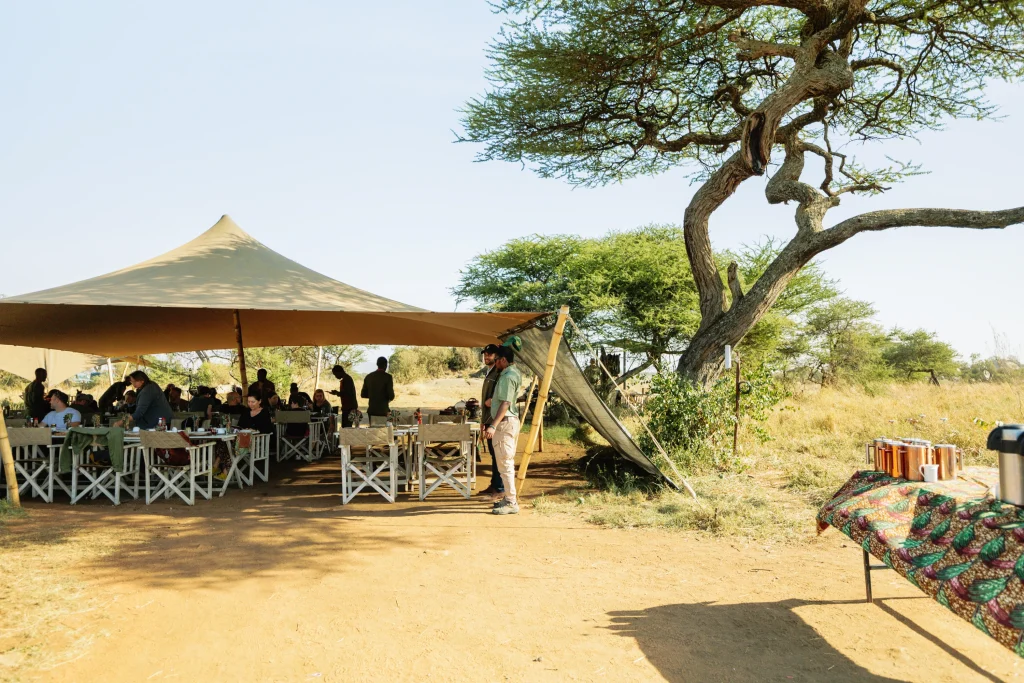
Group travel can reduce the per-person environmental impact of a safari by sharing vehicles, guides and other resources. It can also make responsible wildlife travel more accessible.
However, group size still matters.
Ask how many travelers will share each safari vehicle and whether everyone will have a comfortable viewing position. Overcrowded vehicles can affect the quality of the experience and create pressure to compete for photographs.
Well-organized group safaris balance efficiency with comfort. They provide clear schedules, suitable vehicles and enough flexibility to respond to wildlife activity without disrupting the environment.
7. Review the Itinerary’s environment Impact
An itinerary can reveal a great deal about a company’s approach to responsible travel.
Conservation-focused itineraries allow sufficient time in each destination rather than rushing between as many parks as possible. Slower travel can reduce fuel consumption, minimize travel fatigue and create more meaningful experiences.
A thoughtful itinerary may also include lesser-visited areas, helping distribute tourism benefits and reduce pressure on the most popular wildlife locations.
When reviewing an itinerary, consider:
- The amount of driving required each day
- Whether the route is realistic
- How many parks or reserves are included
- Whether activities comply with local regulations
- How the trip supports conservation or community initiatives
- Whether travelers receive guidance on responsible behavior
A packed itinerary is not always a better itinerary. Sometimes, spending more time in fewer places produces the most rewarding safari.
8. Look for Transparent Pricing
Conservation safaris are not necessarily the cheapest options. Park fees, conservation levies, qualified guides and responsible accommodation all contribute to the price.
A trustworthy safari company should clearly explain what is included and excluded. Travelers should understand which park fees, activities, transfers, meals and conservation contributions are covered.
Extremely low prices may indicate compromises in staff pay, accommodation quality, vehicle maintenance or responsible operating standards. Instead of choosing a safari based only on the lowest price, consider the overall value and where the money goes.
9. Expect honest communication about Wildlife
Responsible operators set realistic expectations.
Wildlife sightings cannot be guaranteed, and animals should never be manipulated simply to satisfy a visitor. Weather, road conditions and wildlife movement may also require itinerary adjustments.
A credible company will communicate these possibilities before the journey. It will provide practical information about clothing, photography, cultural etiquette, plastic restrictions and appropriate behavior in protected areas.
Honest communication helps travelers arrive prepared and makes the safari safer and more enjoyable for everyone.
Questions to Ask Before Booking
Before selecting a company for conservation-focused East Africa group travel, consider asking:
- How does this safari directly support conservation?
- What wildlife-viewing rules do your guides follow?
- How are your guides trained?
- How many people will be in each vehicle?
- How do local communities benefit from the trip?
- How do you choose your lodges and camps?
- Are all park fees and conservation charges included?
- What steps do you take to reduce waste and plastic use?
- Do you support any specific conservation or community projects?
- What guidance will we receive on responsible travel?
The quality and clarity of the answers can help distinguish genuine commitment from vague marketing claims.
Why Plan a responsible Safari with Mauly Tours?
Mauly Tours has been creating personalized African journeys since 1983. As a Tanzanian-owned, family-run company, its approach combines local destination knowledge, private guiding and responsible travel practices.
Travelers can explore Mauly Tours’ sustainable tourism commitments, including its approach to environmental protection, community support, cultural preservation and responsible operations.
Rather than placing travelers into fixed departures, Mauly Tours creates private journeys for couples, families, friends and organizations traveling as their own group. This makes it possible to adjust the itinerary, pace, accommodation and activities around the group’s interests.
Travelers interested in wildlife, conservation and less-crowded destinations can also consider the Southern Tanzania Discovery safari, which visits Ruaha, Mikumi and Nyerere national parks.
Frequently Asked Questions
A conservation safari is a wildlife journey designed to minimize environmental harm while supporting protected areas, responsible wildlife viewing and local communities. It should combine an enjoyable visitor experience with transparent environmental and social practices.
Park fees, conservation charges, responsible accommodation and partnerships with local initiatives can help finance habitat protection, wildlife management and community programs. Ask the operator to explain exactly how the trip contributes.
They can be when vehicles are used efficiently, group sizes remain manageable and the itinerary avoids unnecessary travel. Private group trips also give travelers greater control over pace, accommodation and wildlife-viewing decisions.
Look for specific policies, recognized certifications, trained local guides, responsible wildlife practices and clear evidence of community involvement. Be cautious when a company uses environmental language but cannot explain its actions.
Plan Your Conservation Safari
The choices made before a safari can influence the places visited long after the journey ends. Selecting responsible accommodation, respecting wildlife and working with experienced local professionals can help tourism create a more positive impact.
If you are planning conservation-focused East Africa group travel for your family, friends or organization, Mauly Tours can develop a private itinerary around your interests, preferred pace and conservation priorities.