Stone Town is a place where time feels layered rather than linear. Every narrow alleyway, carved wooden door, and weathered limestone wall tells a story shaped by centuries of trade, culture, migration, and empire. Walking through its streets is less like sightseeing and more like stepping through living history.
As the cultural heart of Zanzibar, Stone Town has earned its status as a UNESCO World Heritage Site thanks to its unique blend of Swahili, Arab, Persian, Indian, and European influences. For travellers exploring top things to do in Zanzibar, few experiences are as rich or atmospheric as wandering through this historic maze of architecture and memory.
Below are 10 must visit historic sites in Stone Town, each offering a different perspective on the island’s extraordinary past.
1. The House of Wonders (Beit-al-Ajaib)
Perhaps the most iconic building in Stone Town, the House of Wonders stands proudly along the seafront. Built in the late 19th century for Sultan Barghash, it was the first building in East Africa to have electricity and an elevator – hence its name.
Though currently undergoing restoration, its towering columns and grand façade remain a symbol of Zanzibar’s former wealth and ambition during the height of the spice trade era. Standing before it, you can almost imagine the bustling ceremonies and royal processions that once took place here.
2. The Old Fort (Ngome Kongwe)
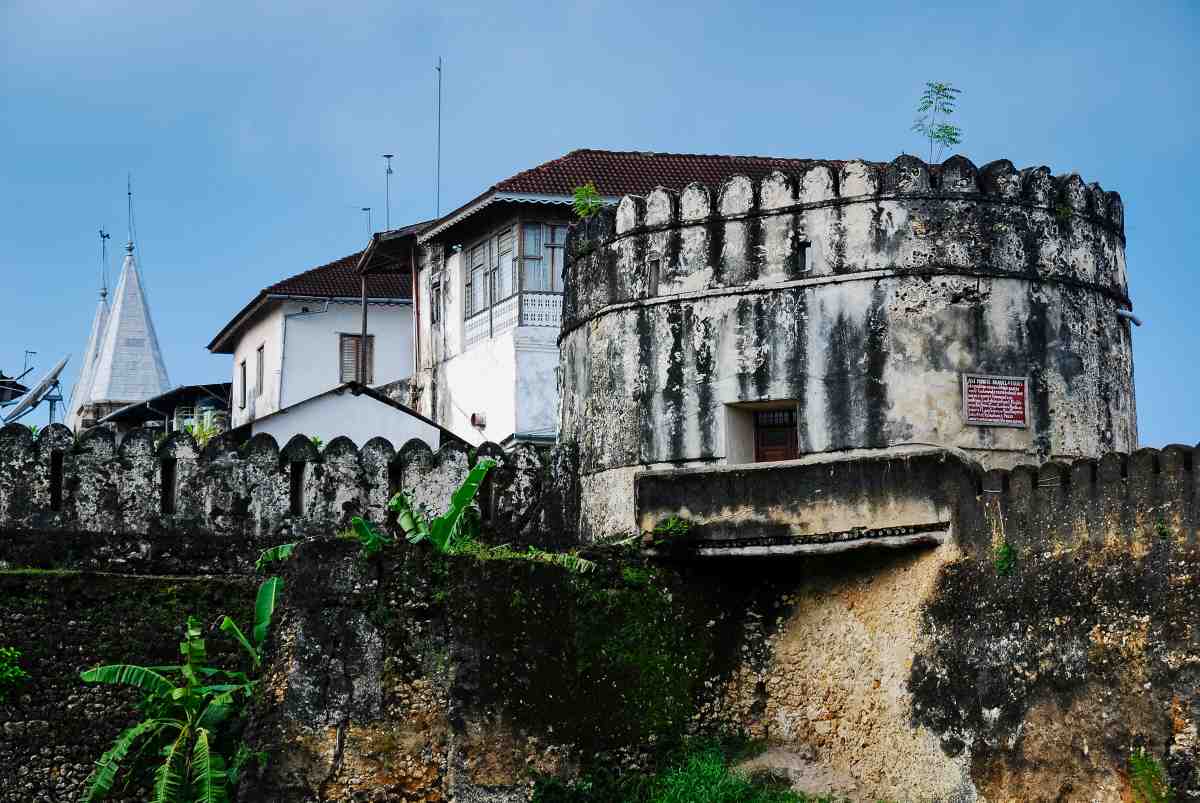
Directly opposite the House of Wonders sits the Old Fort, the oldest structure in Stone Town. Built by Omani Arabs in the 17th century to defend against Portuguese invasion, it later served as a prison and barracks before becoming a cultural venue.
Today, the fort is a vibrant space filled with small shops, local artisans, and open-air performances. Its thick coral stone walls enclose a peaceful courtyard where history and modern life blend seamlessly.
3. Freddie Mercury’s House
One of Stone Town’s most visited sites, this modest building is believed to be the birthplace of Freddie Mercury, the legendary Queen frontman.
While the interior is not a traditional museum, the exterior attracts fans from around the world who come to pay tribute to his early life on the island. It serves as a reminder of Stone Town’s global cultural connections and unexpected historical intersections.
4. Sultan’s Palace Museum (Beit al-Sahel)
Once the official residence of the Sultan of Zanzibar, this elegant palace now serves as a museum dedicated to the royal family and Zanzibar’s pre-revolution history.
Inside, visitors find ornate furnishings, historical photographs, and personal artefacts that offer insight into the island’s royal past. The building overlooks the ocean, reflecting the strategic and symbolic importance of the monarchy during Zanzibar’s peak.
5. Darajani Market
For a more sensory experience of Stone Town’s living culture, Darajani Market is essential. This bustling marketplace has been at the centre of local trade for generations.
Here, spices, fresh seafood, tropical fruit, and everyday goods are sold in a lively, colourful atmosphere. The scent of cloves, cinnamon, and cardamom fills the air, offering a direct connection to Zanzibar’s identity as the Spice Island.
It is not just a place to shop but a place to observe daily life unfolding in real time.
6. Former Slave Market and Anglican Cathedral
One of the most historically significant sites in Stone Town is the former slave market, now home to the Anglican Cathedral and a moving underground memorial chamber.
This site stands as a powerful reminder of Zanzibar’s role in the East African slave trade. The cathedral was built directly over the old slave market, symbolising both remembrance and transformation.
The small underground chambers where enslaved people were once held are particularly sobering, offering a deeply emotional insight into this chapter of history.
7. Hamamni Persian Baths
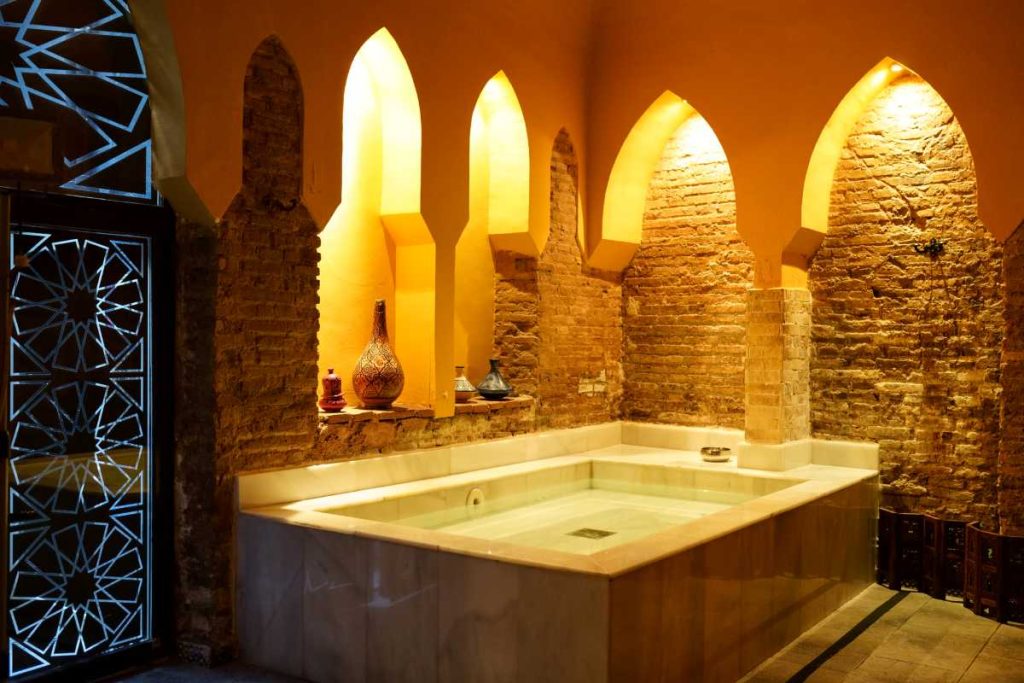
Built in the late 19th century, the Hamamni Persian Baths were the first public baths in Zanzibar. They were commissioned by a wealthy Persian architect and served as a communal bathing and social space for the city’s elite.
Though no longer operational, the baths remain remarkably well preserved. Visitors can still explore the series of rooms, including hot, warm, and cold bathing chambers, as well as the intricate water heating systems that once supplied the complex.
8. Forodhani Gardens
By evening, Forodhani Gardens transforms from a quiet seafront park into one of Stone Town’s most vibrant food markets.
Locals and visitors gather here to enjoy freshly grilled seafood, sugarcane juice, Zanzibar pizza, and a variety of Swahili street foods. The atmosphere is lively but relaxed, with the ocean breeze and sunset views creating a memorable backdrop.
It is one of the best places to experience Stone Town’s social rhythm after a day of exploring.
9. The Old Dispensary
The Old Dispensary is one of Stone Town’s most beautifully restored buildings. Originally built as a charitable hospital in the late 19th century, it features intricate wooden balconies, stained glass windows, and ornate detailing that reflects a fusion of architectural styles.
Today, it serves as a cultural centre and exhibition space. Its elegance makes it one of the most photographed buildings in Stone Town and a striking example of the city’s multicultural heritage.
10. Tippu Tip’s House
Tippu Tip was one of the most powerful and controversial figures in East African history – a trader, explorer, and ivory merchant deeply connected to the region’s colonial past. His former residence still stands in Stone Town, offering a glimpse into the life of a man who played a significant role in shaping the region’s 19th-century trade networks.
The house itself is modest compared to other historic buildings, but its significance lies in the complex and often difficult history it represents.
Experiencing Stone Town as a Whole
While each site tells its own story, the true magic of Stone Town lies in how these histories intertwine. Narrow alleyways connect grand palaces to humble markets, and every turn reveals another layer of cultural exchange.
Exploring these sites is best done on foot, allowing time to absorb the textures, sounds, and scents of the city. Guided tours can provide valuable historical context, but independent wandering also reveals unexpected discoveries.
For those extending their stay in Zanzibar, Stone Town often serves as a gateway before retreating to a luxury seaside retreat along the coast, where the pace of life slows dramatically against the backdrop of the Indian Ocean.
Visiting these ten landmarks offers more than sightseeing; it provides a deeper understanding of Zanzibar itself. The past is never far away here, but neither is the present. Together, they create one of the most atmospheric urban experiences in the world.
FAQs
How long should I spend exploring Stone Town’s historic sites?
A full day is ideal for covering the main attractions, though two days allows for a more relaxed pace and deeper exploration.
Is Stone Town easy to explore on foot?
Yes. The narrow streets are best navigated on foot, although a guide can help with navigation and historical context.
Do I need a guide to visit these sites?
Not necessarily, but a guide can greatly enhance your understanding of the history and cultural significance of each location.
Is Stone Town safe for visitors?
Yes, it is generally safe, especially during the day. As with any historic city, standard travel awareness is recommended.