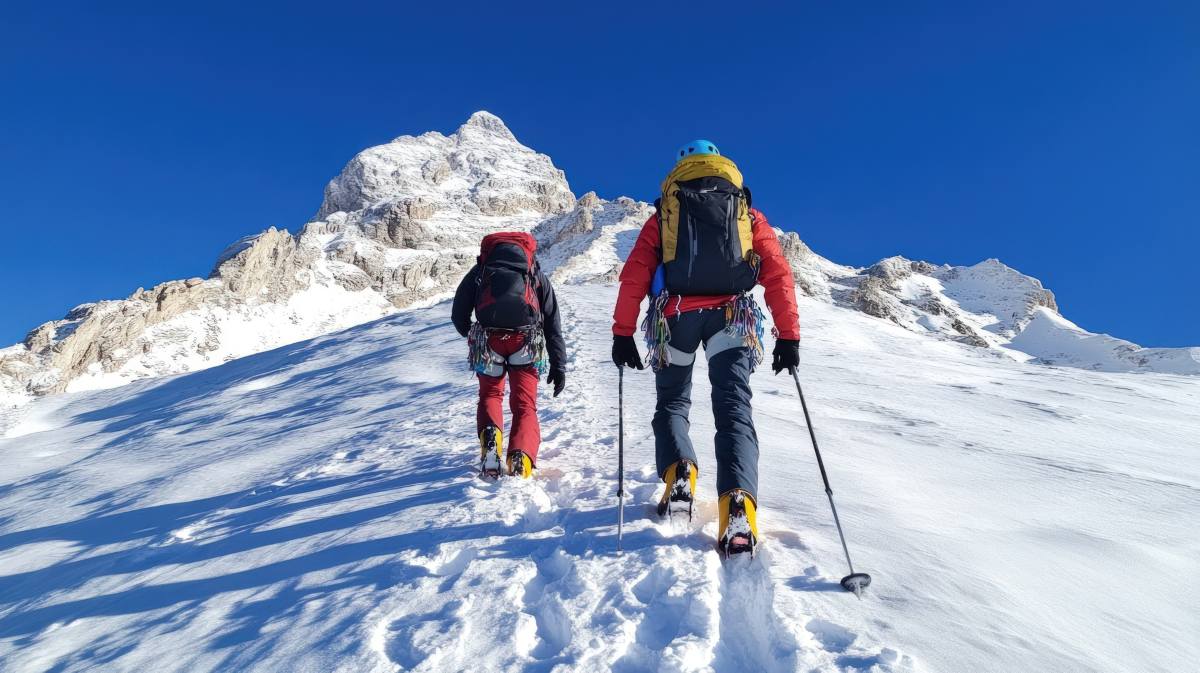
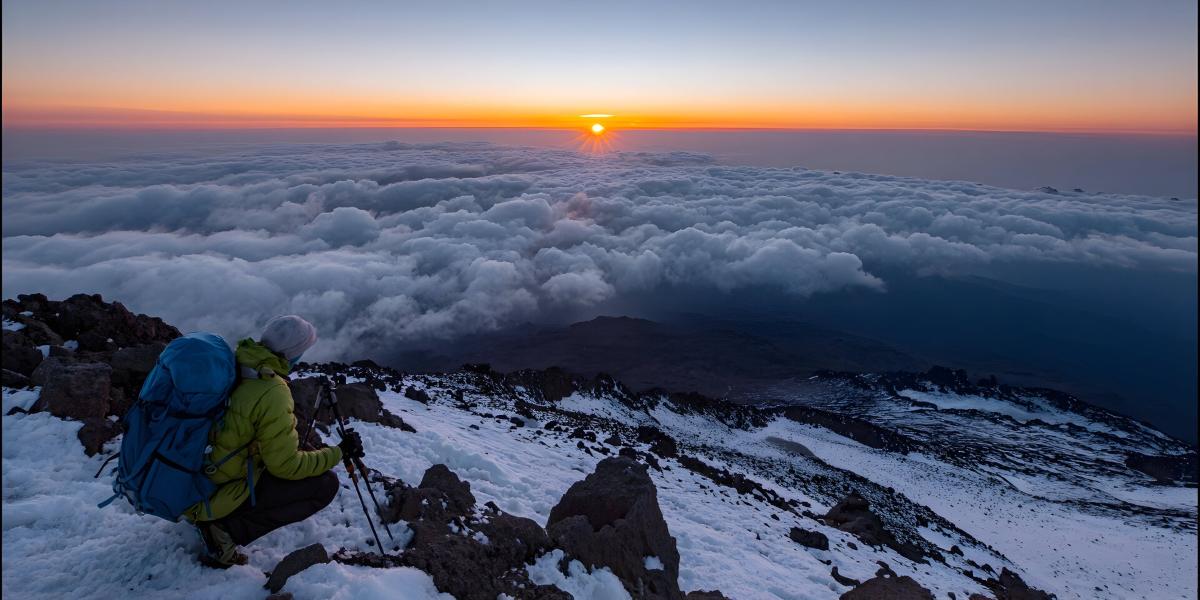
Mount Kilimanjaro rises to 5,895 metres (19,341 ft) above sea level, making it Africa’s highest mountain and one of the world’s most recognised trekking destinations. Reaching Uhuru Peak does not normally require technical mountaineering skills, but the altitude, changing weather, long trekking days and summit night make preparation and route selection extremely important.
For travellers planning to climb Mount Kilimanjaro, this guide brings the key decisions into one place: which route to choose, how many days to allow, when to climb, what to pack, how to prepare for altitude and how to plan the rest of a Tanzania journey around the mountain.
Mauly Tours Recommendation: For many first-time climbers, a longer itinerary such as a 7-8 day Lemosho or 7-day Machame climb provides a better balance of acclimatisation, scenery and overall trekking experience than rushing the mountain on the shortest itinerary. Final route choice should reflect the traveller’s experience, available time, season and individual circumstances.
Quick Kilimanjaro Facts
| Question | Quick answer |
| Elevation | 5,895 m / 19,341 ft |
| Highest point | Uhuru Peak |
| Country | Tanzania |
| Type of climb | High-altitude, non-technical trek on standard routes |
| Typical duration | Approximately 5-9 days depending on route |
| Commonly preferred longer options | 7-8 day itineraries for stronger acclimatisation |
| Popular climbing periods | January-March and June-October |
Can Beginners Climb Mount Kilimanjaro?
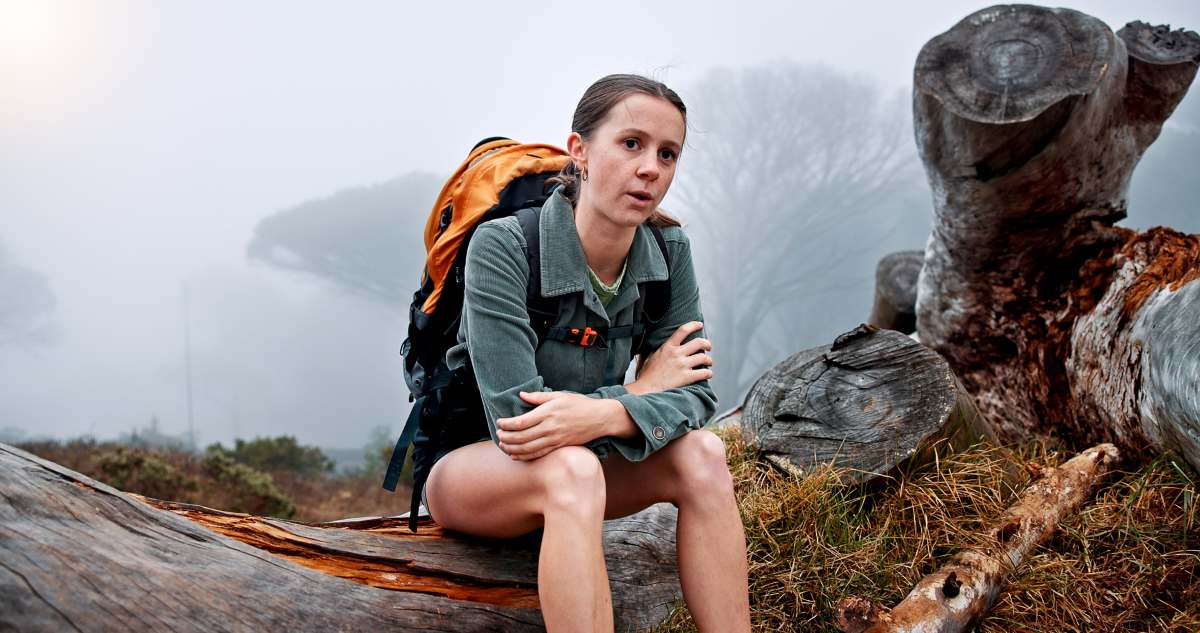
Yes. Kilimanjaro is accessible to many reasonably fit first-time high-altitude trekkers because the standard routes do not normally require technical climbing. Accessible, however, does not mean easy. The biggest challenge is altitude rather than climbing technique. Preparation, a sensible pace, adequate acclimatisation time and experienced mountain support are central to a well-planned climb.
How Difficult Is It to Climb Kilimanjaro?
Kilimanjaro is generally a moderate-to-challenging high-altitude trek. Difficulty varies by route, itinerary length, weather, fitness and individual response to altitude. Summit night is usually the hardest section because climbers ascend for several hours in cold conditions at very high elevation before descending. Do not select a route simply because it is the shortest.
How Long Does It Take to Climb Kilimanjaro?
Most established Kilimanjaro itineraries take roughly 5 to 9 days. Mauly Tours generally favours giving climbers adequate acclimatisation time rather than treating the shortest itinerary as the default. Seven to eight days is a practical range for many travellers, while longer routes can provide additional time at altitude.
Which Kilimanjaro Route Is Best?
Kilimanjaro Routes Compared
| Route | Typical days | Difficulty | Scenery | Crowds | Best suited to |
| Lemosho | 7-8 | Moderate-Challenging | Excellent | Medium | First-timers wanting scenery and acclimatisation |
| Machame | 6-7 | Moderate-Challenging | Excellent | Higher | Popular all-round trekking experience |
| Marangu | 5-6 | Moderate-Challenging | Good | Higher | Travellers preferring hut accommodation |
| Rongai | 6-7 | Moderate | Very good | Lower | Quieter northern approach |
| Northern Circuit | 8-9 | Moderate | Excellent | Lower | More time and stronger acclimatisation profile |
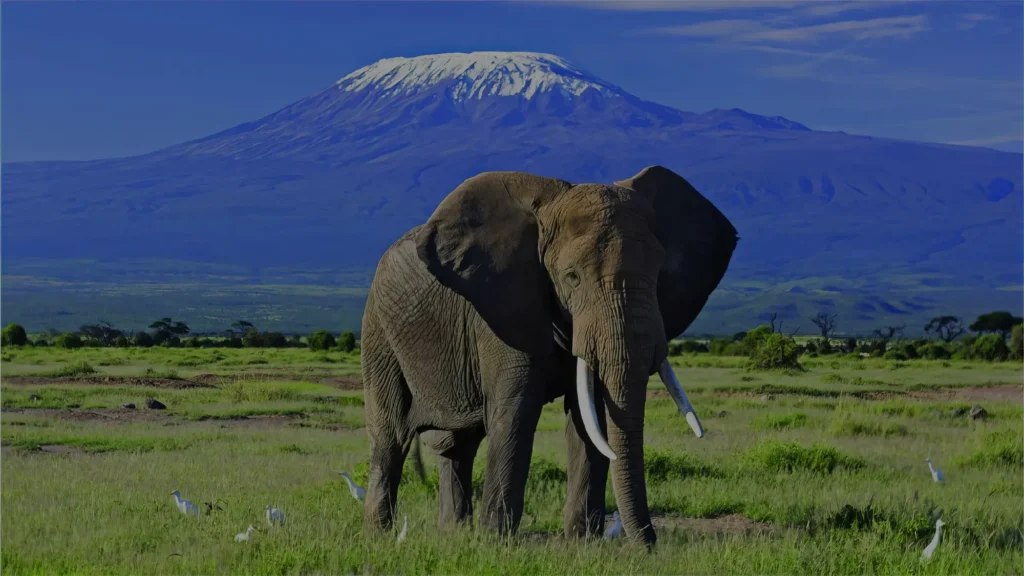
When Is the Best Time to Climb Mount Kilimanjaro?
January to March and June to October are commonly favoured climbing periods because they generally coincide with drier conditions. Weather on a high mountain remains variable, so travellers should prepare for rain, wind, cold and rapid changes regardless of season.
How Much Does It Cost to Climb Kilimanjaro?
The cost of a Kilimanjaro climb depends on route, number of trekking days, group size, inclusions, accommodation before and after the climb, staffing, equipment and service level. Instead of comparing price alone, compare exactly what is included: park-related fees, mountain crew, meals, transfers, safety provisions, accommodation and support before and after the trek.
Altitude and Acclimatisation
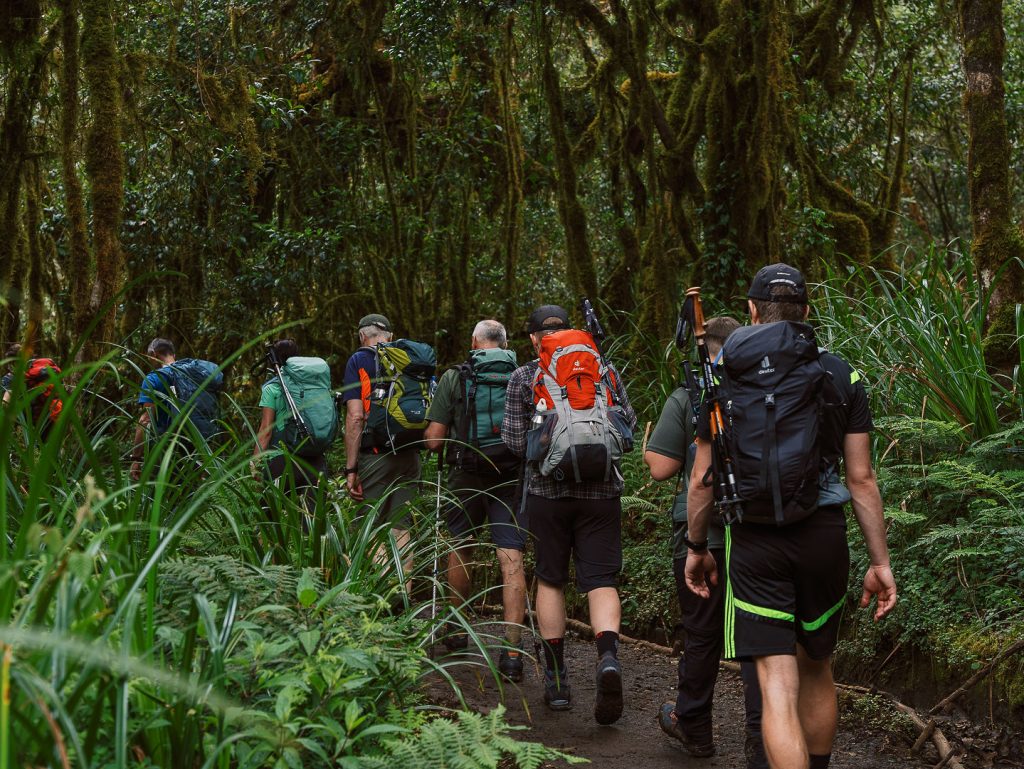
Altitude is the defining challenge of Kilimanjaro. A traveller can be physically fit and still experience altitude-related symptoms. Longer itineraries allow more gradual ascent and additional acclimatisation. Climbers should follow guide instructions, maintain a controlled pace and report symptoms early. Medical questions and individual suitability should be discussed with a qualified healthcare professional before travel.
Training for Kilimanjaro
Training should focus on aerobic endurance, leg strength and the ability to walk for several hours on consecutive days. Hiking on varied terrain while carrying the daypack intended for the mountain is particularly useful. Training cannot guarantee altitude tolerance, but it can make the physical workload of the trek more manageable.
What to Pack for Kilimanjaro
Packing should account for several climate zones. Core items normally include broken-in trekking boots, moisture-managing base layers, insulating layers, waterproof outerwear, warm gloves, headwear, trekking poles, a suitable sleeping system where required, sun protection, a headlamp and a comfortable daypack.
Getting to Mount Kilimanjaro
Kilimanjaro International Airport provides convenient international access to northern Tanzania. Moshi is one of the principal bases for Kilimanjaro climbing, while Arusha is also widely used by travellers combining the mountain with a northern Tanzania safari.
Combine Kilimanjaro With a Tanzania Safari or Zanzibar
A Kilimanjaro climb can be combined with a safari in northern Tanzania or a beach stay in Zanzibar. This creates a complete itinerary around the climb and allows travellers to experience Tanzania beyond the mountain.
Why Climb Kilimanjaro with Mauly Tours?
Mauly Tours & Safaris is a Tanzanian-owned tour operator established in 1983 and provides mountain trekking and safari experiences across East Africa. The company also documents commitments to responsible tourism, environmental conservation and community support.
Plan Your Kilimanjaro Climb
Not sure which Kilimanjaro route is right for you? Share your preferred travel dates, number of days, trekking experience and whether you want to add a safari or Zanzibar. Mauly Tours can use those details to recommend a suitable itinerary.
Frequently Asked Questions
Mount Kilimanjaro reaches 5,895 metres (19,341 ft) at Uhuru Peak.
Technical mountaineering experience is not normally required on the standard trekking routes, but physical preparation and respect for altitude are important.
Routes generally range from about 5 to 9 days. Many travellers benefit from choosing a 7-8 day itinerary that allows more time to acclimatise.
There is no universal answer, but Lemosho and a longer Machame itinerary are strong options for many first-time climbers because they combine scenery with useful acclimatisation profiles.
Yes. Kilimanjaro can be combined conveniently with northern Tanzania safari destinations and, with additional travel time, Zanzibar.