



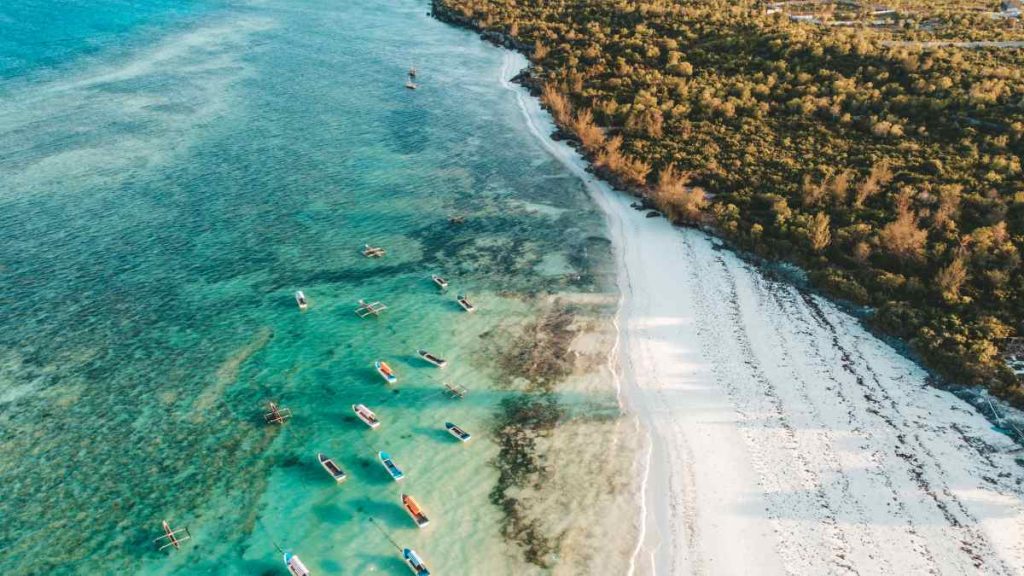
Zanzibar hardly needs a filter.
With its powder-white beaches, turquoise lagoons, centuries-old architecture, colourful markets, and traditional dhow boats drifting across the Indian Ocean, the island seems almost designed for photography. Around every corner, there is another scene that captures the imagination, whether it’s a carved wooden doorway in Stone Town, a palm-fringed beach glowing at sunset, or a spice plantation bursting with colour and texture.
Yet Zanzibar’s appeal goes beyond social media. The most photogenic locations often tell a story about the island’s culture, history, and natural beauty. The photographs may draw people in, but the experiences behind them are what make the destination memorable.
If you’re planning a trip and hoping to fill your camera roll with unforgettable images, these are some of the most Instagrammable places in Zanzibar.
1. Stone Town’s Carved Wooden Doors
Stone Town is one of East Africa’s most fascinating historic centres, and its famous carved doors have become one of Zanzibar’s most recognisable visual symbols.
Scattered throughout the maze of narrow streets, these ornate entrances reflect centuries of Swahili, Arab, Indian, and European influences. Some feature intricate floral patterns, while others display brass studs and elaborate geometric carvings.
The beauty of photographing Stone Town’s doors is that no two are exactly alike.
Early morning is often the best time to explore, when the streets are quieter and the softer light highlights the intricate details of the woodwork.
2. Forodhani Waterfront
The seafront area surrounding Forodhani Gardens offers endless photographic opportunities.
Traditional boats bob gently in the harbour, local fishermen prepare for the day’s activities, and historic buildings create a striking backdrop against the Indian Ocean.
As the sun begins to set, the waterfront takes on an entirely different character. Golden light reflects across the water while locals gather along the seawall to socialise and enjoy the cooler evening temperatures.
For photographers, it is one of the most atmospheric locations on the island.
3. The House of Wonders
Although restoration work has affected access in recent years, the House of Wonders remains one of Stone Town’s most iconic landmarks.
Its grand façade, prominent balconies, and historical significance make it a favourite subject for photographers exploring the city.
Positioned along the waterfront, it also works beautifully as part of wider street and architectural photography compositions.
Many visitors find that the surrounding area offers some of the most photogenic historic sites in Stone Town, with impressive examples of Zanzibar’s unique architectural heritage visible in every direction.
4. Nungwi Beach
Nungwi consistently ranks among Zanzibar’s most photographed beaches.
The combination of bright white sand, clear blue water, and traditional dhow boats creates the classic tropical image many travellers associate with the island.
Unlike some beaches where tides dramatically alter the landscape throughout the day, Nungwi remains visually appealing at almost any hour.
Sunset is particularly rewarding, when the sky becomes filled with shades of orange, pink, and gold.
For anyone seeking the quintessential Zanzibar beach photograph, Nungwi rarely disappoints.
5. Kendwa Beach
Just south of Nungwi lies Kendwa Beach, another stunning coastal location.
The beach’s broad shoreline and open ocean views make it particularly popular among photographers.
Kendwa feels slightly more spacious than some of Zanzibar’s other beach destinations, providing plenty of opportunities to capture uninterrupted seascapes.
The calm waters often create beautiful reflections, especially during the late afternoon and evening.
Many visitors consider Kendwa one of the island’s most picturesque locations for sunset photography.
6. The Rock Restaurant
Few dining venues in the world are as instantly recognisable as The Rock Restaurant.
Perched on a coral outcrop off Zanzibar’s south-east coast, the restaurant appears to float above the ocean during high tide.
Its unique setting has made it one of the island’s most photographed landmarks.
Visitors can capture images from the beach, from the restaurant itself, or even while approaching by boat when water levels rise.
The contrast between the rustic building and the vivid blue ocean creates a scene that feels almost unreal.
7. Jozani Forest
Not every Instagram-worthy location in Zanzibar involves beaches.
Jozani Forest offers an entirely different side of the island.
This protected woodland is home to the rare Zanzibar red colobus monkey, a species found nowhere else in the world.
Photographers can capture images of wildlife, towering trees, winding boardwalks, and dense tropical vegetation.
The forest’s rich green tones provide a refreshing contrast to the blues and whites that dominate much of Zanzibar’s coastal
scenery.
8. Paje Beach
Paje has become increasingly popular among photographers, particularly those interested in action and lifestyle imagery.
The area is famous for kitesurfing, and colourful kites often fill the sky during windy afternoons.
The shallow tidal flats create dramatic reflections, especially during low tide.
As a result, even simple beach walks can produce remarkably striking photographs.
The combination of movement, colour, and natural beauty makes Paje one of the island’s most visually dynamic locations.
9. Traditional Dhow Boats
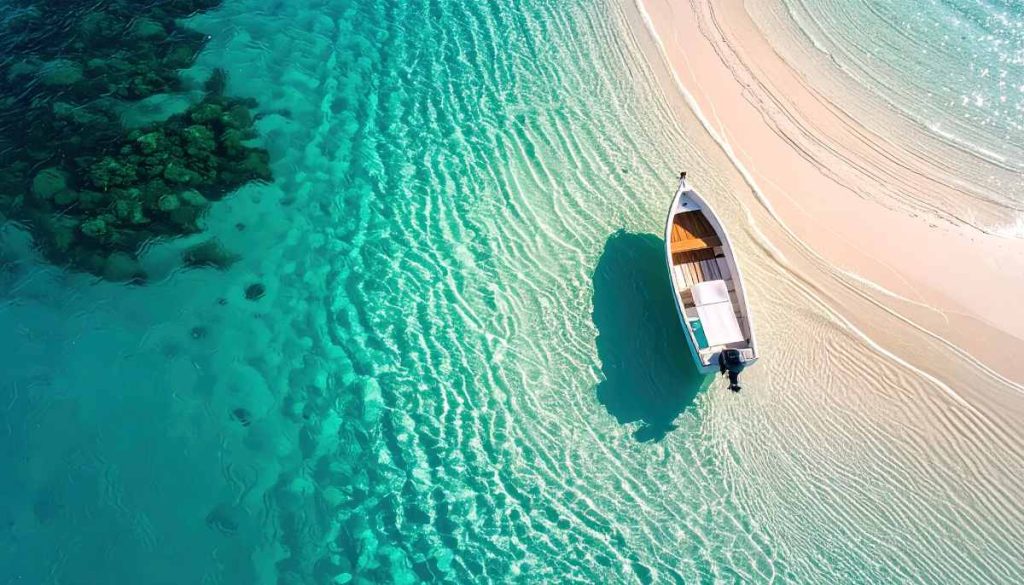
While not a single destination, traditional dhow boats deserve a place on any list of Zanzibar photography highlights.
These elegant wooden vessels have sailed East African waters for centuries and remain deeply connected to local culture.
They can be photographed from beaches, harbours, sunset cruises, and fishing villages across the island.
Whether silhouetted against a setting sun or drifting across turquoise water, dhows consistently create some of Zanzibar’s most memorable images.
10. Spice Farms
Zanzibar’s nickname as the ‘Spice Island’ originates from its long history of cultivating valuable spices such as cloves, cinnamon, vanilla, and nutmeg.
Visiting a spice farm provides countless photographic opportunities.
Bright tropical fruits, colourful flowers, lush greenery, and traditional farming techniques all contribute to a rich visual experience.
Beyond the photographs themselves, spice farms also offer valuable insight into an important part of Zanzibar’s cultural identity.
The textures, colours, and aromas create a sensory experience that translates beautifully into photography.
11. Michamvi Peninsula
The Michamvi Peninsula remains one of Zanzibar’s lesser-known gems.
Located along Chwaka Bay, the area offers exceptional views across calm waters, mangroves, and tidal landscapes.
The sunsets here are among the finest on the island.
Golden light reflects across the bay while traditional fishing boats move quietly through the shallows.
For photographers seeking a location that feels less crowded than some of the northern beaches, Michamvi offers outstanding opportunities.
12. Prison Island
A short boat ride from Stone Town, Prison Island combines history, wildlife, and coastal scenery in one destination.
The island is famous for its giant Aldabra tortoises, some of which are more than a century old.
Photographers can capture images of these remarkable animals alongside beautiful ocean views, coral-fringed coastlines, and historical buildings.
The variety available within a relatively small area makes Prison Island one of the most rewarding photography excursions near Stone Town.
Tips for Photographing Zanzibar
While Zanzibar is naturally photogenic, a few simple techniques can help improve your photographs.
Take Advantage of Golden Hour
Early morning and late afternoon provide the softest and most flattering light.
Midday sunshine can be harsh, particularly on white beaches where bright reflections are common.
Include Local Life
Some of the island’s most memorable photographs involve people rather than landscapes.
Markets, fishing villages, spice farms, and Stone Town streets all offer opportunities to capture authentic moments.
Respect Cultural Sensitivities
When photographing local people, always ask permission where appropriate.
A friendly interaction often leads to better photographs and more meaningful travel experiences.
Embrace Changing Weather
Clouds, rain showers, and dramatic skies can add depth and atmosphere to photographs.
Some of Zanzibar’s most striking images are captured when conditions are less than perfect.
More Than Just Beautiful Photographs
The most successful travel photographs do more than capture attractive scenery.
They tell a story.
In Zanzibar, every location reflects a different aspect of the island’s identity. Stone Town speaks to centuries of trade and cultural exchange. The beaches showcase extraordinary natural beauty. Spice farms reveal agricultural traditions, while dhow boats connect modern life to generations of maritime heritage.
Want to explore these locations and more in your holiday? Explore the Mauly Tours turquoise waters holiday package. We provide opportunities not only to take remarkable photographs but also to experience the diverse landscapes and cultures that make Zanzibar such a compelling destination.
Capturing the Spirit of Zanzibar
The best photographs often emerge when you stop searching for the perfect image and simply immerse yourself in the experience.
Zanzibar rewards curiosity. Wander through Stone Town’s winding streets. Watch fishermen return at sunset. Explore a spice plantation. Sit quietly on a beach as the tide changes.
The island’s beauty is undeniable, but its true magic lies in the stories behind the scenery.
Fortunately for photographers, those stories happen to be incredibly photogenic.
FAQs
What is the most photographed place in Zanzibar?
The Rock Restaurant is often considered one of Zanzibar’s most photographed landmarks, although Nungwi Beach and Stone Town are equally popular.
Where can I take the best beach photos in Zanzibar?
Nungwi, Kendwa, Paje, and Matemwe all offer exceptional beach photography opportunities.
Is Stone Town good for photography?
Absolutely. Stone Town’s historic architecture, carved doors, narrow streets, and waterfront views make it one of the island’s most rewarding photography locations.
What time of day is best for photography in Zanzibar?
Early morning and late afternoon generally provide the best lighting conditions.
Do I need professional equipment to photograph Zanzibar?
No. Even smartphone cameras can capture stunning images thanks to the island’s natural beauty, excellent light, and colourful scenery.