




One of the most common questions travellers ask when planning a safari is deceptively simple: how many days do you actually need? Tanzania is vast, diverse, and packed with world-class wildlife destinations, so the answer depends heavily on what you want to see, how you like to travel, and how immersive you want the experience to feel.
Unlike city breaks or beach holidays, safari travel is shaped by distance, wildlife movement, and the natural rhythm of the parks. A well-planned itinerary can mean the difference between a rushed overview and a deeply rewarding journey through some of Africa’s most iconic landscapes.
Understanding the ideal duration is an important step in how to plan your Tanzanian safari, especially if you want to make the most of long travel distances and maximise wildlife encounters.
The Short Answer: 5 to 10 Days is the Sweet Spot
For most travellers, a Tanzania safari works best when it lasts between 5 and 10 days. This range allows enough time to visit at least one major national park properly, or combine two to three destinations without feeling rushed.
However, the “ideal” length depends on what kind of experience you are looking for. Tanzania is not a single destination but a network of ecosystems, each offering something different – from vast open plains to volcanic craters and riverine forests.
3–4 Day Safari: A Quick Introduction
A short safari of 3 to 4 days is possible, but it is best viewed as an introduction rather than a full experience.
What You Can Expect
- A visit to one main park, such as the Serengeti or Ngorongoro Crater
- Limited travel time between destinations
- Focused game drives rather than wide exploration
This type of itinerary works well for travellers who are short on time or combining safari with another destination, such as Zanzibar. However, it can feel fast-paced, with limited time to absorb the landscapes fully.
5–6 Day Safari: A Balanced Experience
A 5 to 6 day safari is often considered the minimum for a well-rounded experience. It allows travellers to see more than one ecosystem while still maintaining a comfortable pace.
Typical Highlights
- Serengeti National Park for big game viewing
- Ngorongoro Crater for dense wildlife encounters
- Optional stop in Tarangire or Lake Manyara
This duration offers a strong introduction to Tanzania’s wildlife diversity without feeling overly rushed. It is ideal for first-time safari travellers who want a mix of variety and comfort.
7–10 Day Safari: The Ideal Range
For many travellers, a 7 to 10 day safari represents the perfect balance between depth and variety. It allows for a more immersive journey across multiple regions without sacrificing time in each location.
What This Duration Allows
- Exploration of 2 to 4 major parks
- Extended game drives with more flexibility
- Time to observe wildlife behaviour in depth
- A more relaxed travel rhythm
At this stage, travellers begin to notice not just individual sightings but patterns; migration movements, predator-prey interactions, and seasonal changes across the landscape.
A Mauly Tours multi-location safari fits perfectly within this range, combining key destinations into a seamless itinerary that reduces travel stress while maximising wildlife exposure.
10–14 Days: A Deeper Exploration
For those with more time, a 10 to 14 day safari allows for a truly comprehensive journey through Tanzania’s northern circuit and beyond.
Key Advantages
- Slower, more immersive travel pace
- Opportunity to revisit key areas for deeper wildlife observation
- Inclusion of less-visited parks or regions
- Greater flexibility in scheduling game drives
This length is particularly rewarding for photography enthusiasts or travellers who want to fully absorb the diversity of Tanzania’s ecosystems.
It also reduces the sense of urgency often felt on shorter trips, allowing the safari experience to unfold naturally.
Factors That Influence Safari Duration
There is no single correct answer when it comes to safari length. Several factors should be considered when planning your itinerary.
1. Travel Distances
Tanzania’s national parks are spread across large distances. Driving between locations can take several hours or even a full day, which naturally affects how much time you spend in each destination.
2. Number of Parks Visited
The more parks included in your itinerary, the longer your safari should be. Each park offers a distinct ecosystem and wildlife experience, and rushing between them reduces overall enjoyment.
3. Season and Wildlife Movement
Wildlife behaviour changes throughout the year, particularly during migration periods. Spending more time in key areas increases your chances of witnessing significant events.
4. Travel Style
Some travellers prefer fast-paced itineraries with multiple highlights, while others enjoy slower, more detailed exploration of fewer locations.
Why Longer Safaris Often Feel Better
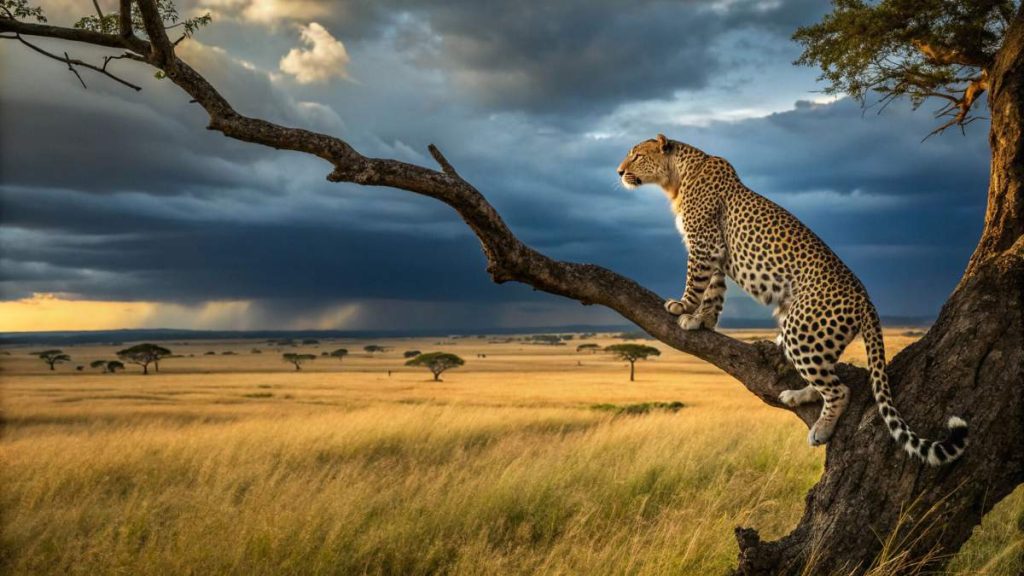
While shorter safaris can be exciting, longer itineraries often provide a more satisfying experience overall. This is because safari travel is unpredictable. Wildlife sightings are not guaranteed on a schedule, and time plays a major role in increasing encounter quality.
With more days in the field, travellers are more likely to:
- Witness a wider variety of animal behaviour
- Experience different times of day in each park
- Adapt to weather and seasonal changes
- Enjoy less rushed game drives
In many cases, the experience becomes richer simply because there is more time to observe rather than search.
Combining Destinations for the Best Experience
One of the most effective ways to structure a safari is to combine multiple regions. Tanzania’s northern circuit is particularly well suited to this approach, offering several world-famous parks within reach of each other.
A typical combination might include:
- Serengeti National Park for vast plains and migration viewing
- Ngorongoro Crater for dense wildlife encounters
- Tarangire for elephants and baobab landscapes
- Lake Manyara for forest and birdlife diversity
Safari Pace vs Safari Duration
It is important to distinguish between the number of days and the intensity of each day.
A 7-day safari with long, full-day game drives can feel very different from a 10-day safari with shorter, more relaxed outings.
Some travellers prefer early morning and late afternoon drives with downtime in between, while others choose full-day explorations with picnic lunches in the bush.
The right balance depends on energy levels, interests, and travel goals.
Budget Considerations
Safari duration also influences overall cost. Longer trips naturally involve more accommodation, park fees, and guiding services. However, they often provide better value per day in terms of experience quality.
Shorter safaris may seem more affordable initially, but can feel compressed, especially when factoring in long travel distances between parks.
Choosing the right duration is therefore not just about budget, but about overall value and experience quality.
When Short Safaris Work Best
Despite the benefits of longer itineraries, shorter safaris still have their place. They work particularly well when:
- Combined with a beach holiday in Zanzibar
- Included as part of a wider East Africa itinerary
- Time is limited but wildlife experience is still a priority
In these cases, careful planning is essential to ensure the limited time is used effectively.
When Longer Safaris Are Worth It
Extended safaris are ideal for travellers who want:
- A deeper connection with nature
- More time in fewer locations
- Greater wildlife diversity
- A slower, more immersive pace
They are especially rewarding for first-time safari visitors who want to fully understand Tanzania’s ecosystems rather than simply sample them.
Finding Your Ideal Safari Length
There is no universal answer to how long a Tanzania safari should be. The right duration depends on your travel style, priorities, and the depth of experience you are seeking.
While shorter safaris offer a quick introduction, longer journeys allow the landscape, wildlife, and atmosphere to unfold in a more natural and rewarding way.
For most travellers, the sweet spot lies between 7 and 10 days. This is just about long enough to explore multiple ecosystems, but still focused enough to maintain excitement and energy throughout the journey.
Ultimately, the best safari is not defined by how many places you visit, but by how deeply you experience them.
FAQs
Is 3 days enough for a Tanzania safari?
It is possible, but it only allows time for one park and a limited experience.
What is the best safari length for first-time visitors?
Around 7 to 10 days is ideal for a balanced and varied experience.
Can I combine safari and beach in one trip?
Yes, many travellers combine a safari with Zanzibar for a complete experience.
Do longer safaris increase wildlife sightings?
Yes, more time in the field increases the chances of diverse and meaningful sightings.
Is it better to visit fewer parks or many?
Fewer parks with more time in each often lead to a richer and less rushed experience.