Zanzibar is a name that immediately evokes images of white-sand beaches, turquoise waters, and swaying palm trees. Yet long before it became known for its coastline and island escapes, it earned a very different reputation – one rooted in scent, trade, and agriculture.
For centuries, this archipelago off the coast of East Africa has been called the Spice Island, a title that reflects both its historical importance in global trade and its continuing role in cultivating some of the world’s most sought-after spices.
Understanding how Zanzibar gained this identity offers a deeper perspective on its culture, landscapes, and enduring global significance. It also reveals how history and agriculture remain closely intertwined in shaping the island’s modern character.
The Origins of Zanzibar’s Spice Legacy
Zanzibar’s connection to spices began through its strategic position along ancient trade routes. Situated between Africa, the Middle East, and Asia, the island became a natural meeting point for merchants transporting goods across the Indian Ocean.
Arab, Persian, Indian, and later European traders all contributed to shaping Zanzibar’s economy and agricultural landscape. Over time, they introduced crops that would thrive in the island’s tropical climate, including cloves, cinnamon, nutmeg, and pepper.
By the 18th and 19th centuries, Zanzibar had become one of the world’s leading producers of cloves, supplying global markets and transforming the island into a key centre of the spice trade.
Why Cloves Defined Zanzibar’s Identity
Although several spices are grown across the island, cloves became the defining crop. Introduced from Indonesia, they flourished in Zanzibar’s fertile soil and humid coastal climate.
At its peak, Zanzibar produced the majority of the world’s cloves, exporting them to Europe, Asia, and the Middle East. The distinctive aroma of drying cloves became so closely associated with the island that travellers arriving by sea could reportedly smell Zanzibar before even seeing it.
This powerful sensory identity helped cement the island’s global nickname as the Spice Island.
Other Key Spices That Shaped the Island
While cloves dominate Zanzibar’s agricultural history, several other spices also played an important role in its development.
Cinnamon
Cinnamon trees were widely cultivated across plantations, with bark carefully harvested and dried. Its warm, sweet aroma became a staple in both trade and local cuisine.
Nutmeg and Mace
Derived from the same fruit, nutmeg and mace were highly valued for both culinary and medicinal uses. Their introduction added further diversity to Zanzibar’s spice production.
Black Pepper
Although less dominant than cloves, black pepper was widely traded and remains an important crop in small-scale farming communities.
Cardamom and Ginger
These aromatic spices became central to Swahili cooking traditions, influencing everything from rice dishes to teas and curries.
Together, these crops created a layered agricultural identity that extended far beyond a single product.
The Role of the Sultanate and Plantation Economy
Zanzibar’s spice industry expanded significantly under the rule of the Omani Sultanate in the 19th century. Large plantations were established across the island, often worked through complex and deeply unequal systems of labour.
During this period, cloves became not only an agricultural product but also a symbol of wealth and power. Plantation estates shaped the island’s social and economic structure, leaving a lasting legacy that can still be seen in certain rural areas today.
This era also contributed to the development of Stone Town as a trading hub, linking agricultural production with global commerce.
From Trade Hub to Cultural Identity
As global trade routes evolved, Zanzibar’s role in the spice industry gradually shifted. While it remains an important producer, tourism and cultural heritage have become equally significant in shaping its modern identity.
Today, spices are no longer just export commodities – they are woven into everyday life. They appear in street food, home cooking, traditional medicine, and even cultural ceremonies.
This continuity between past and present helps explain why the island’s spice heritage remains so visible and celebrated.
Spice Farms as Living Heritage
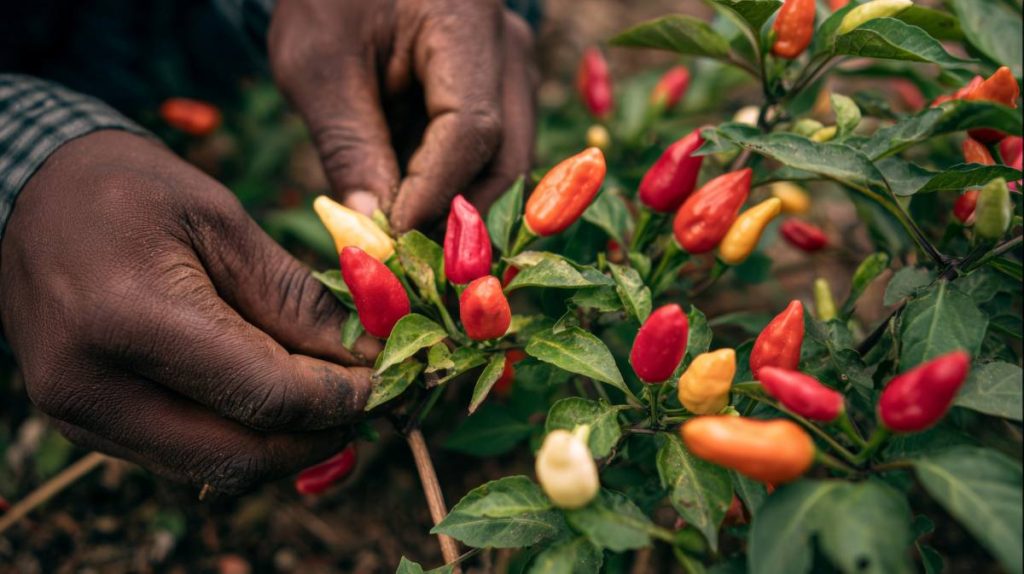
One of the most direct ways to experience Zanzibar’s spice legacy is through its working farms. These farms are not museum pieces; they are active agricultural spaces where spices are still grown, harvested, and processed using traditional methods.
Visitors can walk through plantations, see spices in their natural form, and understand how each plant contributes to daily life on the island.
Experiencing these environments offers valuable insight into the history and culture of Zanzibar Island, particularly for travellers interested in how agriculture has shaped the island’s identity over time.
The Sensory Identity of the Spice Island
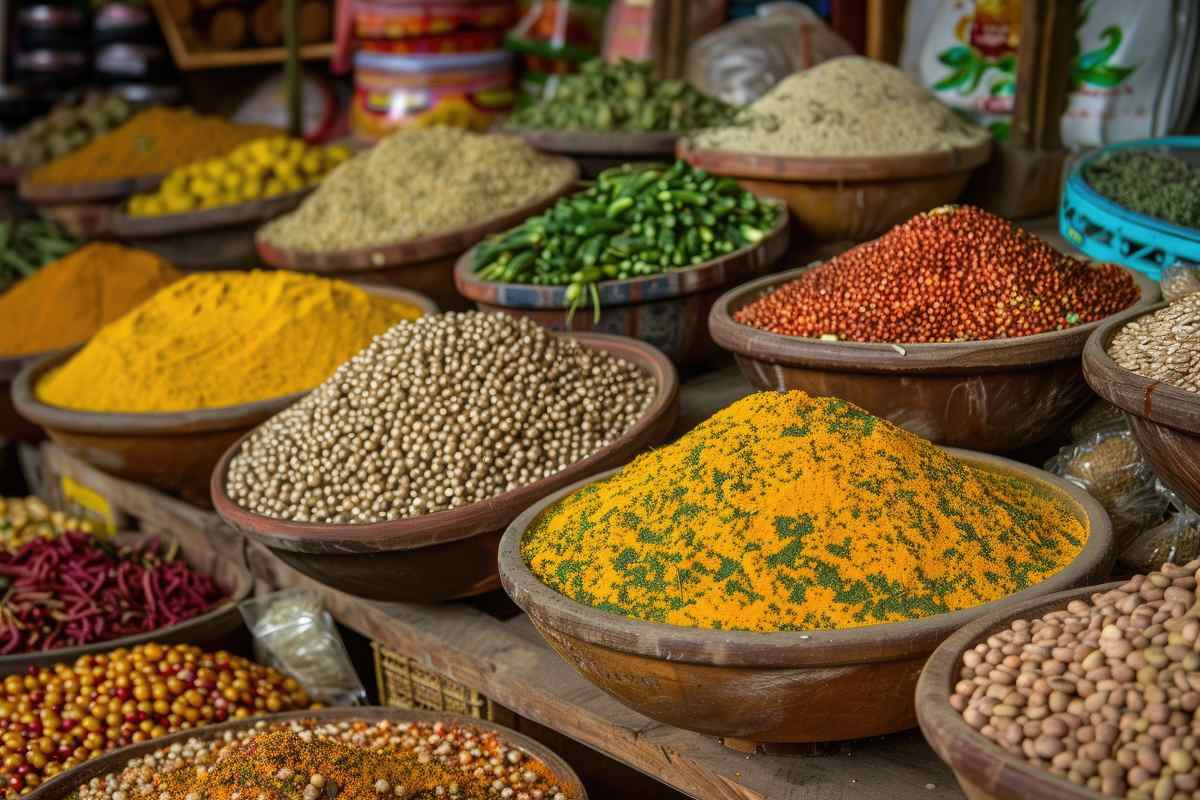
What sets Zanzibar apart from many other tropical destinations is its strong sensory identity. Spices are not just seen – they are smelled, tasted, and felt in everyday life.
Walking through markets, villages, or spice farms, the air is filled with layered aromas of cinnamon, cloves, and cardamom. This constant sensory presence reinforces the island’s reputation in a way that is both subtle and unforgettable.
It is this immersive quality that continues to define Zanzibar as the Spice Island in the minds of travellers.
Spice Culture in Everyday Life
Spices are deeply embedded in Swahili culture, particularly in cuisine. Traditional dishes such as pilau rice, coconut curries, and spiced teas rely heavily on locally grown ingredients.
Meals are often rich, aromatic, and layered with flavour, reflecting centuries of culinary exchange between African, Arab, and Indian influences.
Even beyond food, spices are used in natural remedies, perfumes, and household practices, reinforcing their role as a cornerstone of daily life.
Modern Tourism and the Spice Legacy
Today, Zanzibar’s spice heritage plays a major role in tourism. Spice tours have become one of the island’s most popular inland experiences, offering visitors a chance to connect with its agricultural roots.
These experiences are often combined with coastal stays, creating a balanced itinerary that blends culture and relaxation. Many travellers exploring our turquoise beach package choose to include spice farm visits as part of a broader journey across the island.
Tourism has helped preserve spice farming traditions while also providing economic opportunities for local communities.
Challenges Facing Spice Production Today
Despite its historical importance, Zanzibar’s spice industry faces modern challenges. Global competition, climate variability, and changing land use patterns have all affected production levels.
Many farms now operate on a smaller scale, focusing on quality rather than volume. At the same time, tourism has provided an alternative source of income that helps sustain agricultural practices.
This balance between preservation and adaptation is central to the island’s ongoing relationship with its spice heritage.
Why the Spice Island Identity Still Matters
Zanzibar’s nickname is not just a historical reference, but a defining part of its global identity. It shapes how travellers perceive the island, how it is marketed internationally, and how locals understand their own cultural heritage.
More importantly, it connects the past to the present in a way that is tangible and ongoing. The scent of cloves drying in the sun is still a part of daily life for many locals, not a memory.
A Living Legacy of Flavour and History
Zanzibar’s identity as the Spice Island is the result of centuries of trade, cultivation, and cultural exchange. From its role in global spice routes to its modern-day farms and kitchens, the island’s relationship with spices remains deeply rooted and constantly evolving.
What makes this heritage so powerful is its continuity. Spices are not confined to history books or museum displays. They are still grown, harvested, cooked, and shared across the island every day.
For travellers, this creates an experience that is both sensory and historical, offering a deeper understanding of Zanzibar beyond its beaches and coastal beauty.
FAQs
Why is Zanzibar called the Spice Island?
Because of its long history as a major producer and exporter of spices such as cloves, cinnamon, and nutmeg.
What is Zanzibar’s most famous spice?
Cloves are the most iconic and historically significant spice associated with the island.
Are spice farms still active in Zanzibar?
Yes, many farms are still operational and continue to produce spices for both local use and export.
Can visitors learn about spice history in Zanzibar?
Yes, spice tours provide insight into cultivation methods, historical trade, and cultural significance.
How do spices influence Zanzibar’s culture today?
They remain central to cuisine, traditional practices, and cultural identity across the island.