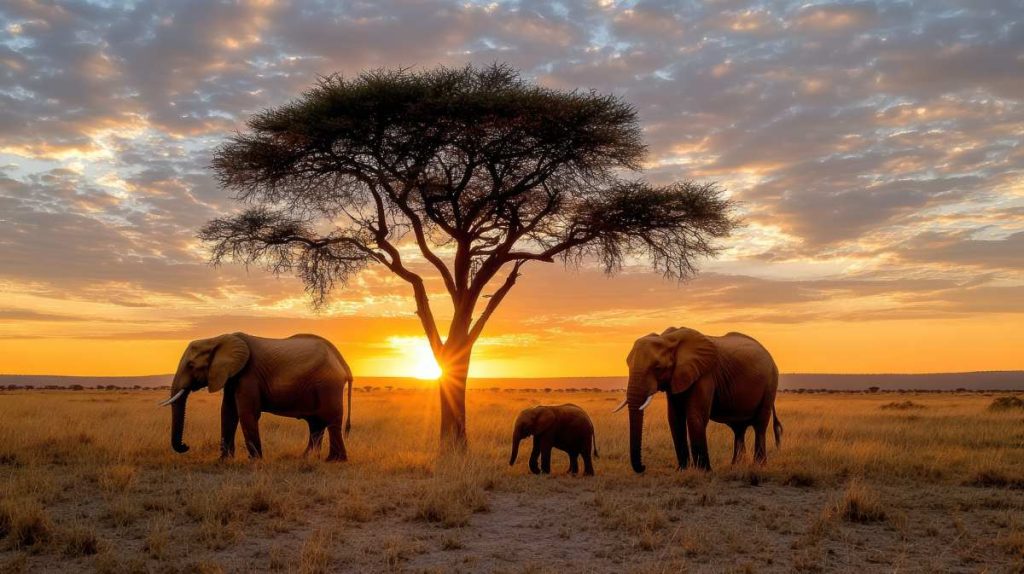
Tarangire National Park is one of Tanzania’s most distinctive safari destinations, known for its ancient baobab trees, sweeping savannahs, and impressive elephant populations. While it is often included as part of a wider northern circuit itinerary, it also stands strongly on its own as a wildlife-rich park with a very clear seasonal rhythm.
Unlike some parks where wildlife is relatively consistent year-round, Tarangire changes dramatically depending on rainfall patterns. Rivers, wetlands, and grazing areas shift throughout the year, influencing where animals gather and how visible they are to visitors.
Understanding these seasonal changes is key to planning a rewarding safari experience and choosing the right time to visit.
Overview of Tarangire’s Seasonal Pattern
Tarangire operates on a classic dry and wet season cycle, with each period offering a completely different safari experience.
- Dry season (June to October): Peak wildlife concentration
- Short rains (November to December): Transitional green landscape
- Wet season (March to May): Lush scenery and quieter parks
- January to February: Warm and relatively stable conditions
Each season has its own strengths, but they offer very different viewing conditions and wildlife behaviour.
Dry Season: June to October (The Prime Wildlife Period)
The dry season is widely considered the most rewarding time to visit Tarangire National Park. As water sources inside the park begin to diminish, animals are drawn towards the permanent Tarangire River, which becomes the main lifeline for wildlife in the area.
Why This Season Stands Out
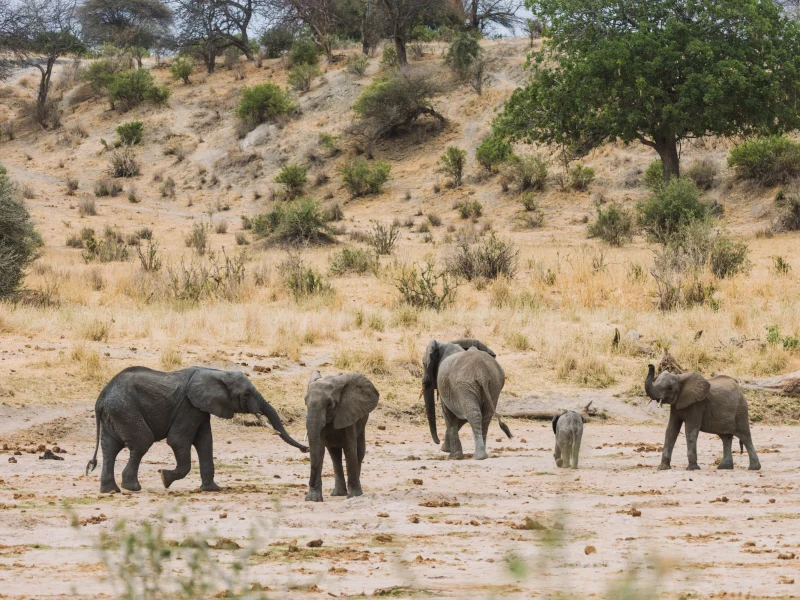
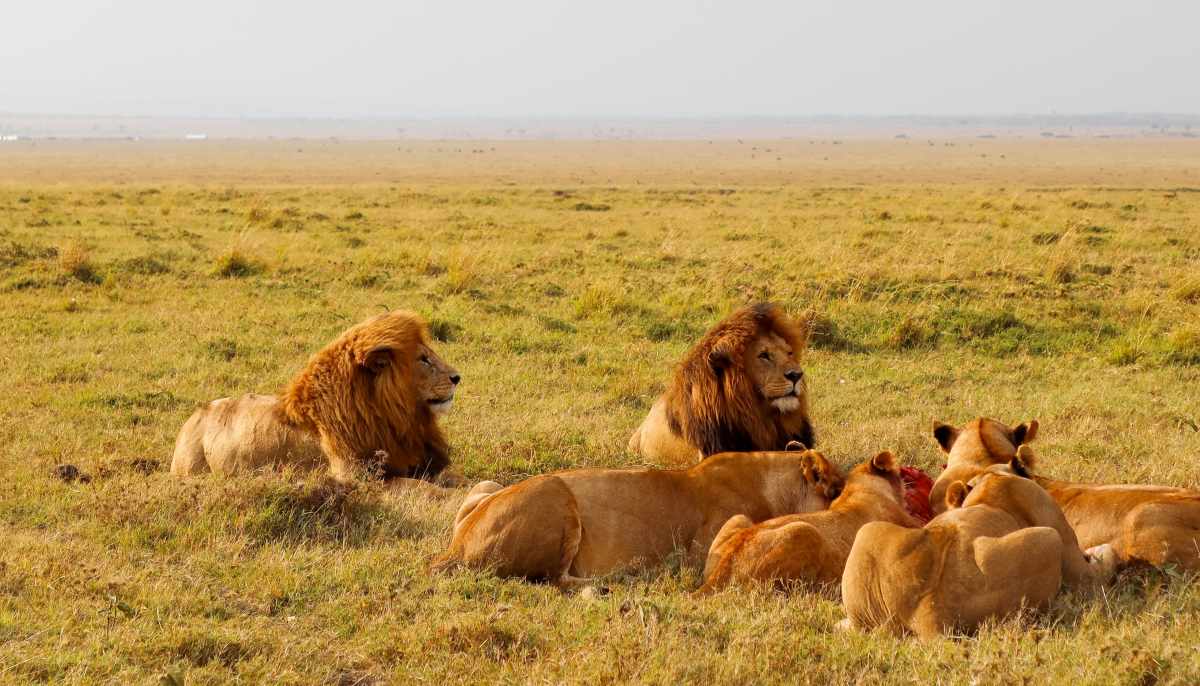
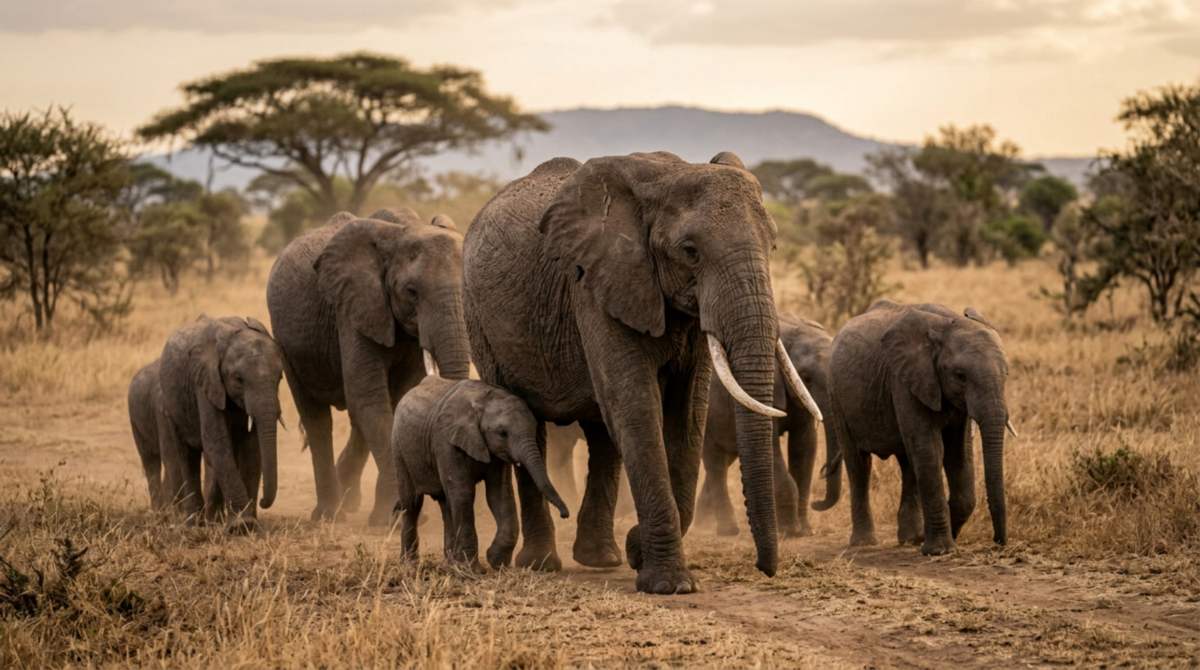
During this period, wildlife becomes highly concentrated and easier to spot. Large herds of elephants are particularly iconic here, often gathering in groups that number in the hundreds. Lions, leopards, zebras, wildebeest, and buffalo are also frequently seen as they move closer to the remaining water sources.
The vegetation is thinner, which improves visibility across the open plains. Game drives during this time often deliver consistent sightings throughout the day, with minimal effort required to locate animals.
This is also the most reliable season for combining Tarangire with other parks as part of a multi-day African safari adventure, since wildlife viewing conditions across the northern circuit are generally at their best.
July to October: Peak Dry Season Conditions
The late dry season is often the most dramatic period in Tarangire. By August and September, water is extremely limited, and animal concentrations along the river become even more pronounced.
Key Highlights
- Massive elephant herds congregating near water
- High predator activity due to prey concentration
- Excellent visibility for photography
- Clear skies and consistent game drives
This is the most popular safari window, so visitor numbers are higher compared to other times of year. However, the quality of wildlife viewing remains exceptional.
November to December: Short Rains and Renewal
The short rains bring a noticeable shift in the landscape. While rainfall is generally light and intermittent, it is enough to transform the park into a greener, more vibrant environment.
What Changes
- Wildlife disperses slightly as water becomes more widely available
- Birdlife increases significantly with migratory species arriving
- Vegetation becomes thicker and more colourful
- Fewer visitors compared to peak dry season
This is a transitional period where Tarangire feels quieter and more atmospheric. Game viewing is still rewarding, but sightings may require more patience due to increased vegetation density.
January to February: Warm and Stable Conditions
Early in the year, Tarangire experiences relatively stable weather conditions. While this period is not as concentrated as the peak dry season, it still offers good safari opportunities.
Wildlife Experience
Animals are more spread out across the park, but sightings remain consistent, particularly in areas close to water sources. The landscape is green, and temperatures are generally warm and comfortable.
This is also a good time for travellers looking to avoid peak-season crowds while still enjoying a reliable safari experience.
The Rainy Season: March to May
The long rains bring a dramatic transformation to Tarangire. Heavy rainfall turns the landscape lush and green, creating a very different safari environment.
Characteristics of This Season
- Dense vegetation across the park
- Lower visitor numbers
- Dramatic skies and photographic conditions
- Some roads may become more challenging to navigate
While wildlife is still present, animals are more widely dispersed due to abundant water sources across the region. This can make sightings less predictable compared to the dry season. Additionally, from a logistical perspective, these heavy downpours can impact travel and safari camp openings.
However, this season is also calving season for wildebeest, therefore you are more likely to see predators on the prowl for fresh, easy prey – the perfect photograph opportunity.
While the wet season might not be for everyone, it offers its own unique appeal, particularly for travellers who prefer solitude and dramatic scenery.
Wildlife Behaviour Throughout the Year
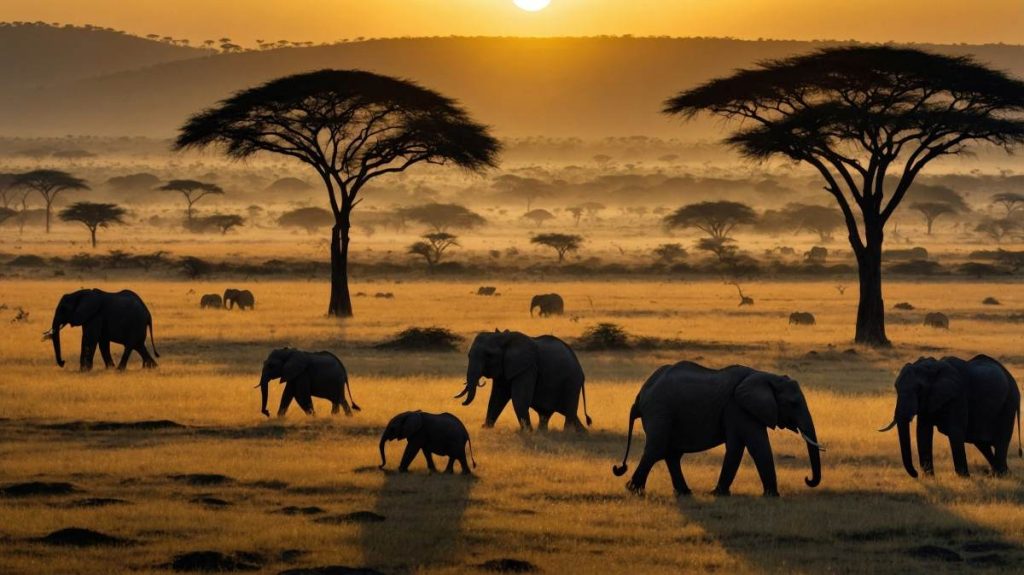
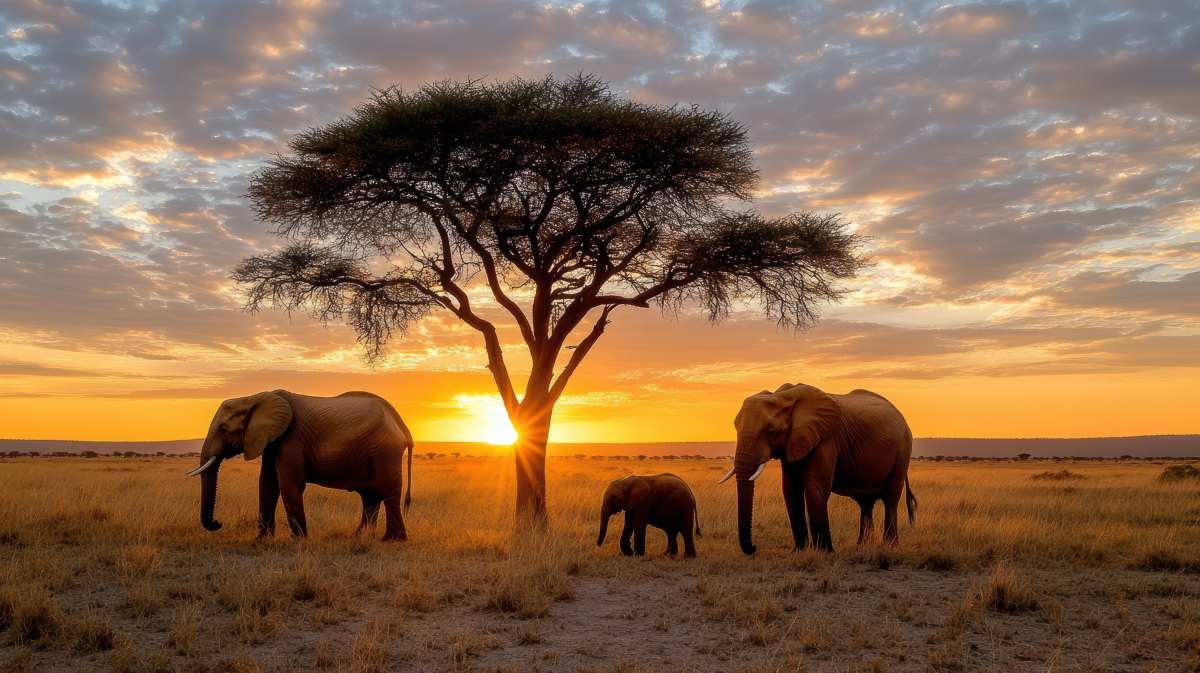
Tarangire is especially known for its elephant population, which remains a highlight regardless of season. However, their behaviour and distribution change significantly depending on water availability.
During the dry season, elephants gather in large herds near the river, creating some of the most iconic safari scenes in East Africa. In contrast, during the wet season, they spread out into smaller family groups across the park.
Other species such as lions, giraffes, zebras, and buffalo also respond to seasonal changes, following grazing patterns and water availability.
Birdwatching in Tarangire
While large mammals dominate most safari conversations, Tarangire is also one of Tanzania’s most rewarding birding destinations.
The wet season is particularly strong for birdwatching, as migratory species from Europe and Asia arrive, joining the park’s resident bird populations.
Species commonly seen include:
- Lilac-breasted rollers
- Yellow-collared lovebirds
- Martial eagles
- Hornbills and starlings
The diversity of habitats within the park supports a wide range of birdlife throughout the year.
How Tarangire Fits into a Northern Circuit Safari
Tarangire is often included as part of a broader northern Tanzania itinerary, alongside Serengeti and Ngorongoro Crater. Its proximity to Arusha makes it a convenient first stop on most routes.
Including Tarangire at the beginning or end of a safari helps balance the experience by adding variety in landscape and wildlife density.
It is particularly effective when combined with Serengeti plains or crater environments, as each park offers a completely different ecosystem.
Choosing the Right Season for Your Safari Goals
The best time of year to visit Tanzania’s national parks depends heavily on what you want from your safari experience.
For maximum wildlife concentration
June to October is ideal, especially August and September.
For fewer crowds and green landscapes
November to February offers a quieter and more relaxed experience.
For photography and dramatic scenery
The wet season provides striking skies and lush vegetation.
Why Seasonality Matters in Tarangire
Unlike some parks where wildlife is relatively evenly distributed, Tarangire’s ecosystem is highly seasonal. The presence or absence of water fundamentally shapes animal movement patterns, meaning timing has a direct impact on safari quality.
Choosing the right season can significantly improve the likelihood of witnessing large herds, predator interactions, and iconic elephant gatherings.
A Park Defined by Seasonal Rhythm
Tarangire National Park offers a dynamic safari experience that changes dramatically throughout the year. From dense elephant herds in the dry season to lush green landscapes during the rains, each period reveals a different side of the ecosystem.
For most travellers, the dry season between June and October provides the most consistent and rewarding wildlife viewing. However, quieter months offer their own appeal, particularly for those seeking solitude or photographic opportunities.
Ultimately, Tarangire is not a destination defined by a single “best” season, but by how its landscapes and wildlife evolve over time. Choosing the right moment to visit ensures that the park reveals itself at its most memorable.
FAQs
What is the best month to visit Tarangire National Park?
August and September are often considered the peak months for wildlife viewing.
Is Tarangire good year-round?
Yes, but wildlife visibility and density vary significantly depending on the season.
When is the rainy season in Tarangire?
The main rains occur from March to May, with shorter rains in November and December.
Is Tarangire worth visiting in the wet season?
Yes, especially for birdwatching and quieter safari experiences.
How long should I spend in Tarangire?
Most visitors spend one to two days as part of a wider northern circuit itinerary.