One of the first questions people ask when they’re preparing for a Mount Kilimanjaro climb is whether they’re actually fit enough to do it. It’s a fair concern – you’re talking about summiting Africa’s highest mountain at nearly 6,000 metres. That sounds intense.
But here’s the thing that surprises most people: you don’t need to be an elite athlete or experienced mountaineer to summit Kilimanjaro. People of all fitness levels successfully reach Uhuru Peak every year, including plenty who’ve never done anything remotely like this before.
That doesn’t mean you can rock up completely out of shape and expect to breeze through it. Kilimanjaro is physically demanding, and being properly prepared makes an enormous difference to both your success rate and how much you actually enjoy the experience. Let’s break down what fitness level you actually need and how to prepare.
It’s More About Endurance Than Peak Fitness
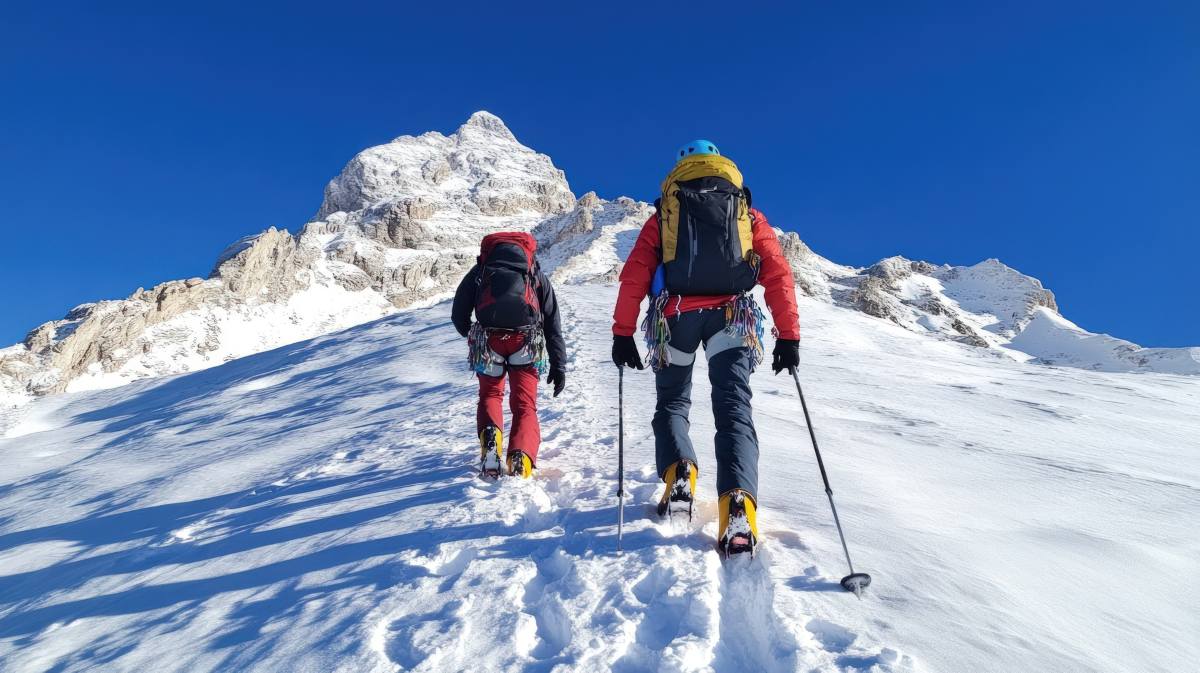
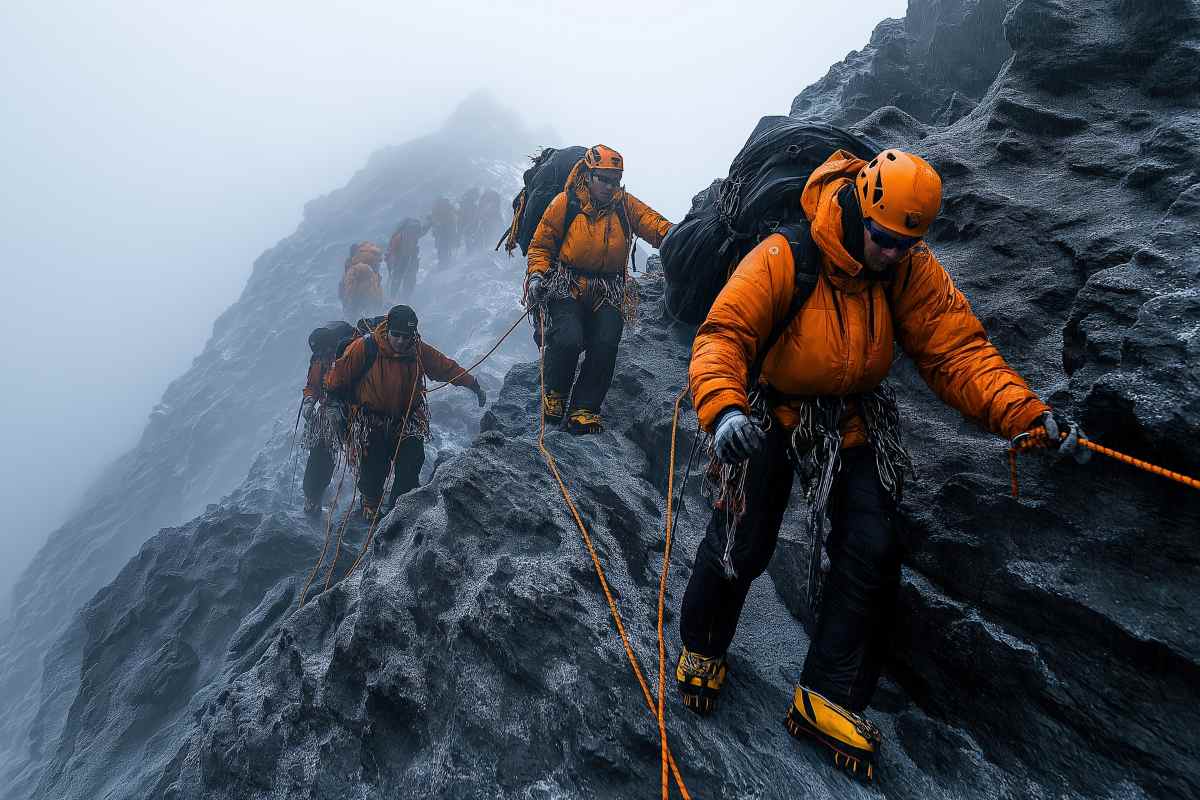
Kilimanjaro isn’t a technical climb – you’re not scaling rock faces or navigating glaciers. It’s essentially a very long, very high-altitude hike. The challenge comes from sustained physical effort over multiple days at increasingly high altitude, not from requiring specialist climbing skills or superhuman fitness.
What matters most is cardiovascular endurance and mental stamina. You need to be able to walk for 5-7 hours a day, multiple days in a row, whilst carrying a daypack and dealing with progressively thinner air. That’s different from needing to run a marathon or bench press your bodyweight.
The altitude is the real challenge, not the physical exertion itself. Even incredibly fit athletes struggle at altitude if they don’t acclimatise properly. Meanwhile, moderately fit people who take their time and allow their bodies to adjust often summit successfully.
What “Reasonably Fit” Actually Means
When trek companies say you need to be “reasonably fit,” they’re talking about a baseline level of physical capability rather than peak athletic performance.
If you can comfortably walk for 4-6 hours with a light pack, climb stairs without getting completely wrecked, and maintain physical activity for several consecutive days, you’re probably fit enough for Kilimanjaro with proper preparation.
People who regularly walk, hike, cycle, or do other cardiovascular exercise have a solid foundation. You don’t need to be a gym fanatic or competitive athlete – you just need to be active and capable of sustained moderate exertion.
If you’re currently quite sedentary, struggling with everyday physical tasks, or have underlying health conditions that limit mobility, you’ll need more preparation time and possibly medical clearance before attempting Kilimanjaro.
Age Isn’t the Limiting Factor
Kilimanjaro has been successfully summited by people ranging from children to pensioners in their 80s. Age itself doesn’t determine whether you can do it – fitness level and determination do.
Older climbers often have advantages in terms of mental resilience, patience with the slow pace, and wisdom to listen to their bodies. Younger climbers might have better cardiovascular fitness but sometimes push too hard and don’t acclimatise properly.
The oldest person to summit was 89. The youngest was 6. If you’re somewhere between those ages and reasonably healthy, age isn’t your limiting factor.
Training and Preparation Matter Enormously
The difference between showing up unprepared and arriving after proper training is massive. Training improves your summit chances and makes the whole experience way more enjoyable.
Ideally, you want 3-6 months of preparation, though even 2-3 months makes a significant difference if you’re starting from a decent baseline fitness level.
Cardiovascular training should be your priority. Walking, hiking, running, cycling, swimming – anything that gets your heart rate up and builds endurance. Aim for 3-5 sessions per week, gradually increasing duration and intensity.
Hiking with a weighted pack is particularly valuable preparation. Start with short hikes carrying 5-7kg and gradually increase both distance and weight. This prepares your body for the actual demands of the trek and toughens up your feet.
Stair climbing and hill walking are brilliant preparation because they simulate the uphill effort you’ll be doing on Kilimanjaro. If you live somewhere flat, find a building with multiple flights of stairs and use them regularly.
Strength training helps too, particularly legs, core, and back. You don’t need to lift massive weights – bodyweight exercises, light resistance work, and functional fitness are all useful.
Mental Fitness Is Just as Important
Physical fitness gets you most of the way there, but mental stamina makes the difference on summit night when you’re exhausted, freezing, and questioning all your life choices.
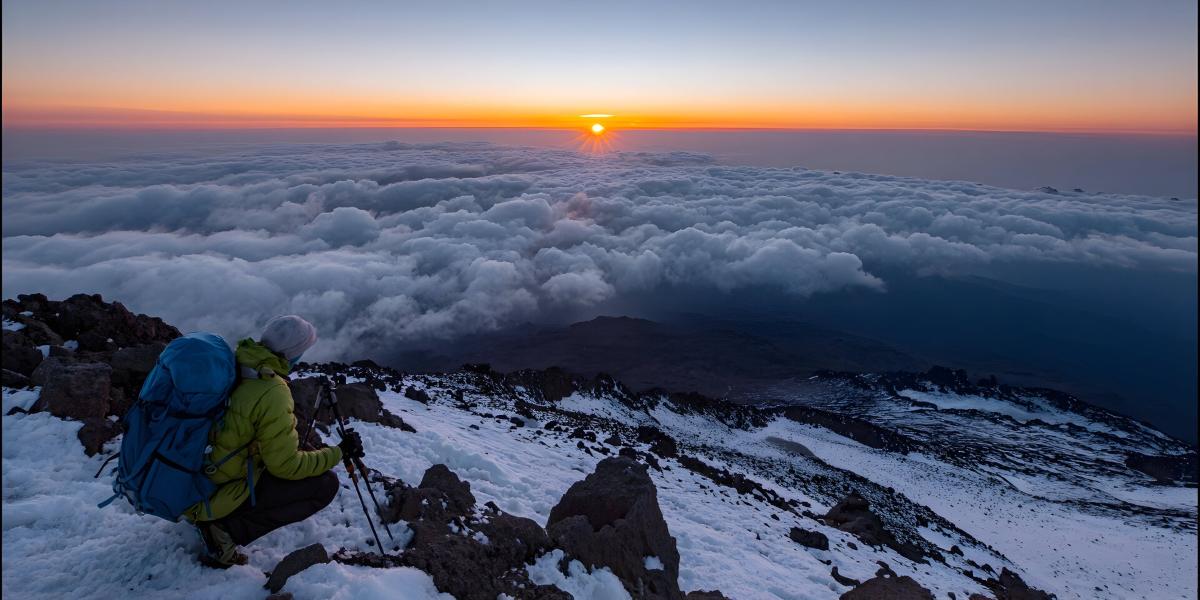
Summit night typically starts around midnight and involves 6-8 hours of climbing in darkness, extreme cold, and thin air. You’re sleep-deprived, your legs hurt, your head might be pounding from altitude, and you’ve still got hours to go. That’s when mental toughness matters.
People who succeed on Kilimanjaro are the ones who can push through discomfort, maintain focus when they’re exhausted, and keep putting one foot in front of the other even when everything hurts. That’s less about physical capability and more about determination.
You can build mental resilience through training – deliberately making yourself uncomfortable during preparation, pushing through tough workouts, and learning that you’re capable of more than you think.
Altitude Affects Everyone Differently
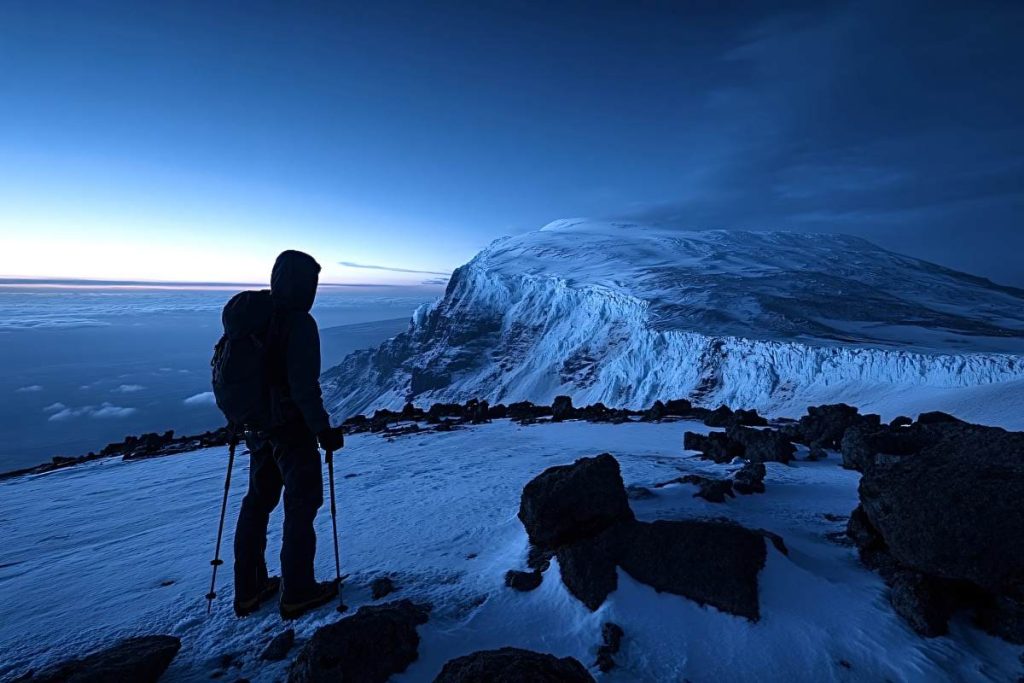
This is crucial to understand: even the fittest people can suffer from altitude sickness, and relatively unfit people sometimes acclimatise brilliantly. There’s no reliable correlation between fitness level and altitude tolerance.
Altitude sickness is caused by reduced oxygen at high elevation and affects people regardless of how fit they are. Marathon runners get altitude sickness. Sedentary people sometimes have no issues at all. It’s largely genetic and unpredictable.
What you can control is your acclimatisation strategy. Choosing longer routes (7-8 days rather than 5-6 days) gives your body more time to adjust. Walking slowly (“pole pole” in Swahili) helps even if it feels frustratingly easy. Staying hydrated, eating properly, and listening to your body all improve acclimatisation.
The physical fitness to handle the walking is separate from your body’s ability to function at altitude. You need both, but they’re not the same thing.
Weight and Body Composition
You don’t need to be slim to climb Kilimanjaro, but carrying excess weight makes it harder. The extra effort required at altitude when you’re already struggling for oxygen is significant.
That said, plenty of larger people successfully summit. It’s about overall fitness and determination rather than meeting some specific body composition target. If you’re overweight but active and preparing properly, you can absolutely do it.
Losing some weight as part of your preparation can make the trek more comfortable, but it shouldn’t be the sole focus. Cardiovascular fitness and endurance matter more than the number on the scales.
Pre-existing Health Conditions
If you have asthma, heart conditions, high blood pressure, or other health issues, you need medical clearance before attempting Kilimanjaro. But having a condition doesn’t automatically disqualify you.
Many people with controlled asthma, managed hypertension, or other chronic conditions successfully summit. The key is proper medical management, realistic assessment of your capabilities, and possibly allowing extra time for acclimatisation.
Your doctor needs to understand what you’re planning and assess whether it’s safe given your specific situation. Be honest about your health – risking a medical emergency at 5,000 metres isn’t worth it.
The Reality Check
If you’re moderately active, willing to prepare properly, and don’t have serious health limitations, you’re probably fit enough to attempt Kilimanjaro. You don’t need to be running ultramarathons or crushing it at the gym six days a week.
What you do need is commitment to training for several months beforehand, realistic expectations about the challenge, and determination to keep going when it gets tough.
The fittest person in the world will struggle if they don’t acclimatise properly or if they push too hard too fast. A moderately fit person who respects the mountain, takes their time, and listens to their guides often succeeds.
Summit Success Rates
Success rates vary depending on route and acclimatisation time. Shorter routes (5 days) have success rates around 50-60%. Longer routes (7-8 days) have success rates of 85-90%. The difference is almost entirely down to acclimatisation.
Physical fitness affects your comfort and enjoyment, but route choice and pacing affect your summit chances more. Even very fit people fail on short routes because they don’t acclimatise. Less fit people succeed on longer routes because they give their bodies time to adjust.
What If You’re Not Fit Enough Yet?
If you’re currently not at the fitness level needed for Kilimanjaro, you can get there with dedicated preparation. Three to six months of consistent training transforms your capabilities.
Start where you are and build gradually. If you can currently walk for 30 minutes, aim for 45 minutes next week, then an hour. If stairs leave you breathless, do them more often until they don’t.
Track your progress, celebrate improvements, and be patient with the process. The preparation itself is rewarding – you’ll feel stronger, fitter, and more confident long before you reach Tanzania.
The Bottom Line
You don’t need to be super fit to climb Kilimanjaro, but you do need to be properly prepared. Moderate fitness, solid cardiovascular endurance, and mental determination get most people to the summit, especially on longer routes that allow proper acclimatisation.
If you can comfortably walk for several hours whilst carrying a light pack, you’ve got the baseline fitness. Add 3-6 months of structured training focusing on endurance and you’re ready for an unforgettable climb with stunning views.
Respect the mountain, take your time, listen to your guides, and don’t underestimate the mental challenge. Physical fitness gets you there, but determination gets you to the top.