



If you’ve ever looked at a map of Africa and wondered where the continent’s highest point sits, it’s right there in Tanzania. Mount Kilimanjaro rises out of the plains like something out of a dream – snow at the summit, elephants at its base, and a reputation that draws travellers from every corner of the world. People ask two questions again and again: where is Mount Kilimanjaro and how tall is Mount Kilimanjaro? Both answers are straightforward, but the story around them is anything but simple.
Where Is Mount Kilimanjaro?
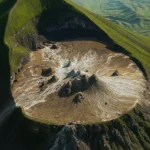
Kilimanjaro sits in north-eastern Tanzania, close to the border with Kenya. It’s not part of a mountain range but a solitary giant – technically a stratovolcano with three main cones: Kibo, Mawenzi and Shira. That isolation is part of its allure. Unlike the Andes or the Himalayas, where peaks cluster together, Kilimanjaro stands alone, commanding attention.
From Nairobi, you can actually glimpse the mountain on a clear day, its snow-capped summit seeming almost out of place above the African savannah. It’s within Kilimanjaro National Park, which is a UNESCO World Heritage Site. And honestly, the setting is half the magic: lush rainforest at the base, alpine desert higher up, and finally a glacial crown.
How Tall Is Mount Kilimanjaro?
Here’s the figure everyone wants: 5,895 metres (19,341 feet). That makes it the tallest mountain in Africa and one of the famed “Seven Summits” – the highest peaks on each continent. To put it into perspective, it’s taller than Mont Blanc in Europe and higher than anything in the continental United States. Yet it’s also considered the most accessible of the Seven Summits because you don’t need technical climbing skills or ropes to reach the top.
Of course, “accessible” doesn’t mean easy. Altitude is the main challenge. The air thins as you climb, and many trekkers find themselves dealing with headaches, nausea, or dizziness. Preparation, pacing, and acclimatisation days are key.
The Experience of Climbing
So what’s it really like to trek Kilimanjaro? It’s often described as walking through several worlds in a single week. You begin in humid rainforest where colobus monkeys leap overhead. Then the environment shifts to moorland dotted with giant lobelias, plants that look like something out of prehistory. Higher up, the vegetation disappears into rocky desert, where nights get bitterly cold. And finally, there’s the ice cap – glaciers gleaming under the equatorial sun.
According to Travel + Leisure, the summit push usually begins around midnight, with climbers zig-zagging slowly up the scree slopes to reach Uhuru Peak at sunrise. The moment itself is less about a view (though it’s staggering) and more about sheer accomplishment.
Routes to the Summit
There isn’t just one path to the top. Several established routes exist, each with their own pros and cons:
- Marangu Route – nicknamed the “Coca-Cola” route, it’s the only one with hut accommodation instead of tents.
- Machame Route – popular for its scenic beauty, often called the “Whiskey” route.
- Lemosho Route – longer, quieter, and excellent for acclimatisation.
- Rongai Route – approaches from the northern side, close to Kenya.
Choosing a route depends on your fitness, time, and preference for comfort versus solitude. None are “easy”, but some are more forgiving.
Why It’s So Famous
Mountains gain reputations for different reasons. Everest is synonymous with danger and record-breaking. Kilimanjaro, by contrast, is symbolic. It represents Africa’s height and resilience, a snow-capped peak rising from savannah. Ernest Hemingway even immortalised it in his short story The Snows of Kilimanjaro.
But beyond literature, it’s the accessibility that has made it famous. Ordinary people, not just elite mountaineers, can stand on Uhuru Peak. Teachers, students, retirees – it’s a bucket-list climb precisely because it’s achievable with determination and the right support.
Wildlife and Natural Beauty

Don’t forget that Kilimanjaro isn’t just about the summit. The lower slopes are teeming with life: elephants, leopards, buffalo, even the occasional lion. Birdlife is spectacular too, with hornbills and sunbirds adding colour to the forests. And then there are the plants – giant groundsels, heather trees, and orchids that thrive only in this unique ecosystem.
For many, these encounters are just as memorable as the summit itself. After all, how many places let you trek from jungle to glacier in under a week?
Planning a Trip
Climbing Kilimanjaro isn’t something to do on a whim. Permits, park fees, guides, and porters are all part of the package, and for good reason. The Tanzanian government requires climbers to go with licensed operators, both for safety and sustainability.
If you’re new to planning this kind of adventure, start with a complete travel planning guide. It’ll help you think about logistics, budgeting, and what kind of gear you’ll need before you ever set foot in Tanzania.
And once you’re there, it’s not just Kilimanjaro that’s worth seeing. Safari parks like Serengeti and Ngorongoro Crater are nearby, offering endless adventure opportunities in Tanzania. Many travellers combine the mountain with wildlife experiences, creating a trip that feels almost impossibly rich.
Challenges and Considerations
It’s important to be realistic. Not everyone reaches the summit. Altitude sickness can force even fit climbers to turn back. Weather is unpredictable, and cold nights test endurance. But the key is to respect the mountain. Train in advance, go slowly, listen to your guides, and accept that the journey itself is as valuable as the summit photo.
There’s also the question of climate change. Kilimanjaro’s glaciers are retreating rapidly. Some scientists suggest they could disappear within decades. For many travellers, this adds urgency: to see and experience the peak while its ice still crowns the summit.
Final Thoughts
So – where is Mount Kilimanjaro? In Tanzania. And how tall is Mount Kilimanjaro? Nearly 6,000 metres! Straightforward answers, yes, but they barely scratch the surface of what makes this mountain extraordinary.
Climbing Kilimanjaro is less about statistics and more about stories: the ecosystems you pass through, the resilience you discover in yourself, and the shared moments with people who begin as strangers and end as companions. It’s Africa’s rooftop, yes, but also a reminder that adventure, beauty, and challenge can coexist in one unforgettable place.