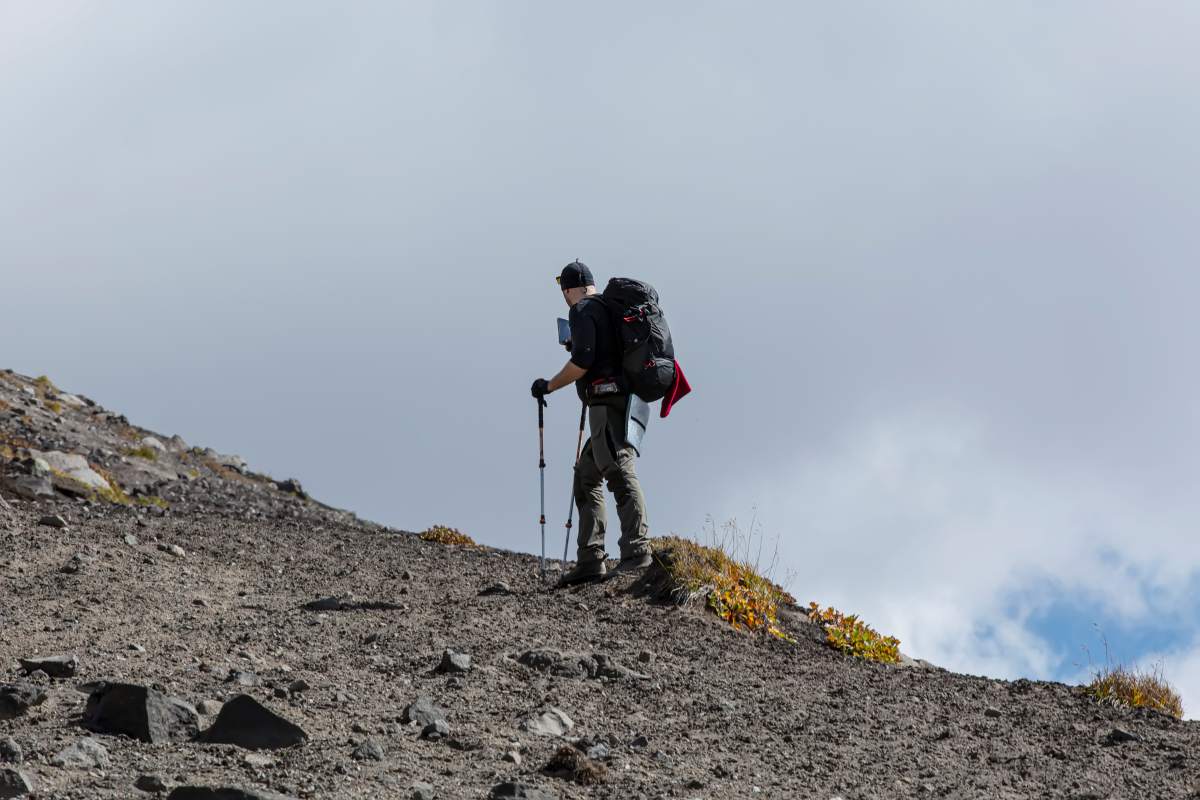
Climbing Mount Kilimanjaro is one of the most iconic trekking experiences in the world. Rising dramatically above the plains of Tanzania, it is a mountain that demands respect, preparation, and the right support team. While fitness and determination matter, the quality of your tour operator is often the single biggest factor in whether your climb is enjoyable, safe, and successful.
With dozens of companies offering seemingly similar itineraries, choosing the right operator can feel overwhelming. Yet the differences between providers are significant, particularly when it comes to safety standards, guide experience, ethical practices, and overall support on the mountain.
While searching for Kilimanjaro summit experiences is thrilling, understanding how to select a reliable operator is essential before committing to a booking. Here’s how!
Why Your Choice of Operator Matters
Unlike many trekking destinations, Kilimanjaro is not a mountain you can climb independently. Every expedition must be led by a licensed team, including guides, porters, and cooks. This makes your operator not just a service provider, but the entire backbone of your journey.
A good operator influences:
- Your safety at altitude
- Your chances of summit success
- Your comfort on the mountain
- The ethical treatment of support staff
- The quality of food, equipment, and logistics
In short, your experience is only as strong as the team behind it.
Licensing and Legal Requirements
One of the first things to verify when selecting a Kilimanjaro operator is whether they are properly licensed to operate in Tanzania’s national parks.
Reputable companies are registered with the relevant tourism authorities and must comply with park regulations. This ensures that guides are trained, porters are accounted for, and safety protocols are followed.
If a company cannot clearly demonstrate its legal status or certification, it is best to avoid them entirely.
Guide Experience: The Most Important Factor
The quality of your guides will define your entire climb. Experienced Kilimanjaro guides do far more than lead the way – they monitor your health, manage altitude progression, and make critical decisions about pace and safety.
A strong guiding team will:
- Recognise early signs of altitude sickness
- Adjust the pace to improve acclimatisation
- Provide encouragement during difficult sections
- Make informed decisions about summit attempts
Understanding why you need an experienced Kilimanjaro guide is essential. The mountain is unpredictable, and experienced professionals can significantly increase both safety and success rates.
Safety Standards and Emergency Procedures
Safety should always be a top priority when choosing a tour operator. Reliable companies have clear procedures in place for dealing with altitude sickness and other emergencies.
Key safety indicators include:
- Availability of emergency oxygen
- Pulse oximeters for monitoring oxygen levels
- Trained guides in wilderness first aid
- Clear evacuation procedures
- Regular health checks during the climb
Operators that invest in safety equipment and training demonstrate a commitment to responsible trekking.
Porter Welfare and Ethical Practices
Behind every successful Kilimanjaro climb is a team of porters carrying equipment, food, and supplies. Ethical treatment of these workers is a critical consideration when choosing an operator.
Responsible companies ensure:
- Fair wages for all staff
- Proper food and shelter for porters
- Weight limits for carried loads
- Insurance coverage and medical support
- Respectful working conditions
Unfortunately, not all operators meet these standards, so it is important to choose companies that prioritise ethical trekking practices.
Group Size and Personal Attention
Group size has a significant impact on your experience. Smaller groups generally offer more personalised attention, better flexibility, and stronger guide-to-climber ratios.
Larger groups may feel less intimate and can sometimes move at a less flexible pace.
Private climbs, while more expensive, offer the highest level of customisation and support.
When evaluating operators, it is worth asking how many climbers are typically grouped per departure and how guide ratios are managed.
Success Rates and Transparency
Many operators advertise high summit success rates, but these figures can be misleading without context.
A reputable company will be transparent about:
- How success rates are calculated
- Which routes have higher completion rates
- How acclimatisation is supported
- The importance of gradual ascent profiles
Be cautious of exaggerated claims and instead look for companies that provide clear explanations of their methodology and climbing approach.
Equipment Quality and Logistics
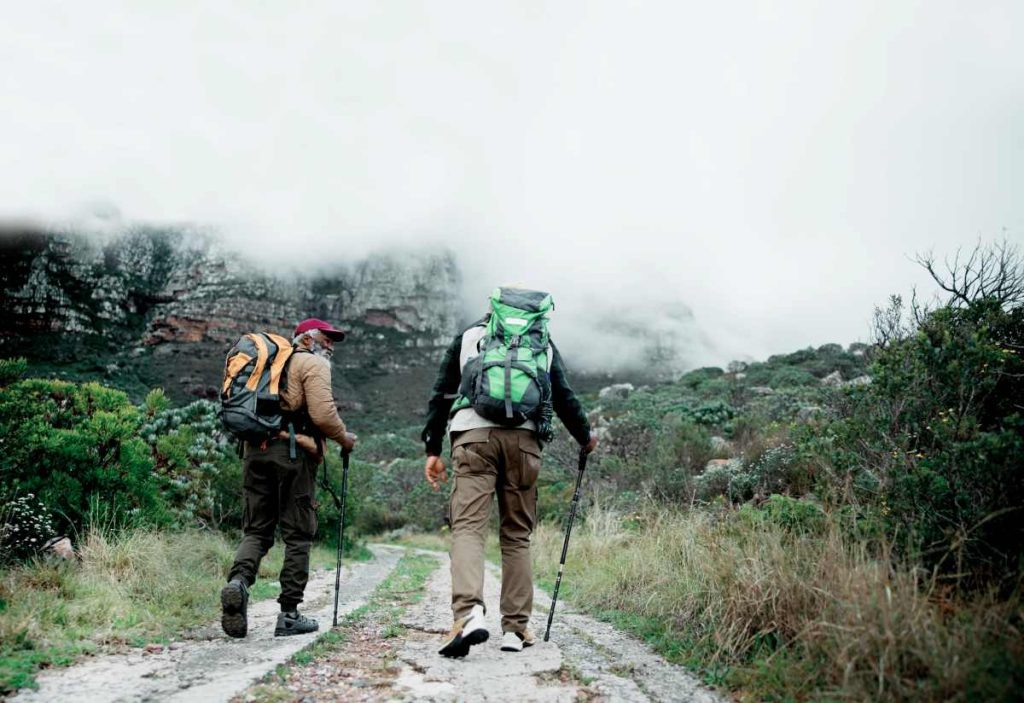
The quality of equipment provided by your operator can significantly influence comfort and safety. This includes tents, sleeping mats, dining setups, and cooking gear.
Good operators invest in:
- Weather-resistant mountain tents
- Comfortable sleeping systems
- Reliable cooking equipment
- Clean and organised dining setups
Poor-quality equipment can lead to discomfort, especially at higher altitudes where weather conditions become more extreme.
Route Planning and Flexibility
Kilimanjaro offers multiple climbing routes, each with different characteristics in terms of scenery, difficulty, and acclimatisation.
A strong operator will help you choose the right route based on your experience level, fitness, and goals. They will also explain how different itineraries impact success rates and overall experience.
Understanding route differences is a key part of preparing for Kilimanjaro, and good operators will guide you through this decision rather than pushing a single standard itinerary.
Communication and Pre-Trip Support
The best operators provide clear communication long before you arrive in Tanzania. This includes:
- Detailed pre-trip briefings
- Packing guidance
- Training recommendations
- Clear itinerary breakdowns
- Responsive customer support
Good communication builds confidence and ensures you arrive well-prepared for the climb.
Reviews and Real Experiences
Independent reviews are one of the most valuable tools when selecting a tour operator. Look for feedback that discusses:
- Guide professionalism
- Safety management
- Food quality
- Equipment standards
- Overall experience on the mountain
Consistent positive feedback is a strong indicator of reliability, while repeated complaints about safety or organisation should be taken seriously.
Price vs Value
While budget is always a consideration, the cheapest option is rarely the best choice for Kilimanjaro. Lower prices can sometimes reflect reduced safety measures, underpaid staff, or lower-quality equipment.
Instead, focus on value: what is included, how well the trip is supported, and what level of service you will receive throughout the climb.
A well-run expedition is an investment in both safety and success.
Choosing the Right Fit for You
Ultimately, the best operator is one that aligns with your expectations and travel style. Some climbers prioritise luxury and comfort, while others focus on adventure and simplicity.
Key questions to ask yourself include:
- How important is comfort versus immersion?
- Do I prefer small or larger groups?
- What level of support do I expect on the mountain?
- How important is ethical trekking to me?
Answering these questions helps narrow down your options significantly.
Don’t Let Your Operator Bring Your Kilimanjaro Trip Down
Choosing a Kilimanjaro tour operator is one of the most important decisions you will make in planning your climb. While the mountain itself remains the same, the experience can vary dramatically depending on who leads your journey.
From safety standards and guide expertise to ethical practices and logistical support, every detail contributes to the overall success of your expedition.
Taking time to research carefully ensures that your climb is not only safe and well-organised but also deeply rewarding from start to finish.
For many travellers, the right operator transforms the experience from a challenging trek into a life-changing journey into the heart of Africa’s highest peak.
FAQs
Why can’t I climb Kilimanjaro without a guide?
Park regulations require all climbers to be accompanied by licensed guides and support staff for safety and environmental reasons.
What makes a good Kilimanjaro guide?
Experience, altitude awareness, first aid training, and strong leadership skills are all essential qualities.
Are cheaper operators safe?
Not always. Lower prices can sometimes indicate reduced safety standards or poor working conditions for staff.
How important is porter welfare?
Very important. Ethical treatment of porters is a key indicator of a responsible and reputable operator.
Does the operator affect summit success?
Yes. Experienced guides, proper acclimatisation strategies, and strong logistical support all improve success rates.