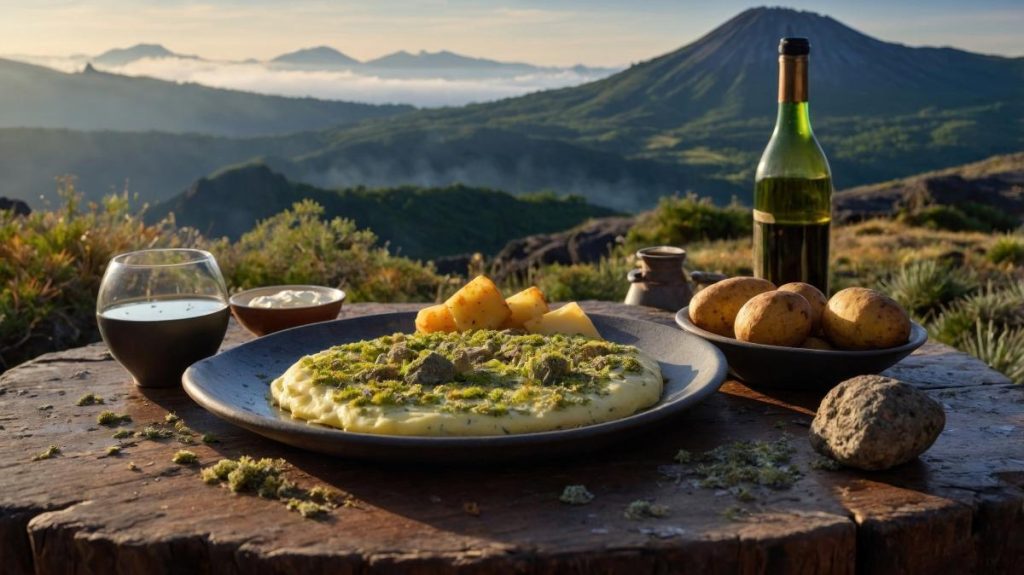
High on the slopes of Mount Kilimanjaro, where the air thins and temperatures drop sharply after sunset, one of the most surprising elements of the journey is not the landscape – but the food. In a place where everything must be carried by porters and prepared in remote mountain camps, meals take on a new meaning. They are no longer just fuel for pleasure; they become essential tools for survival, endurance, and ultimately success.
On a multi-day ascent, understanding food and nutrition is just as important as choosing the right boots or training for altitude. For those preparing for a summit expedition in East Africa, knowing what to expect from meals on the mountain can make a significant difference to both comfort and performance.
The Role of Food on Kilimanjaro
Climbing Kilimanjaro is a sustained physical challenge. Each day involves hours of hiking through changing ecosystems, from humid rainforest to alpine desert and eventually glacial terrain. The body burns a significant number of calories simply maintaining warmth and energy at altitude.
Food on the mountain therefore serves three key purposes:
- Energy replacement after long trekking days
- Altitude adaptation support, as appetite often decreases at height
- Morale and comfort, providing psychological reassurance in a challenging environment
Meals are carefully planned by experienced mountain cooks to ensure climbers receive the nutrients they need, even when appetite is reduced.
What Meals Are Like on the Mountain
Despite the remote location, food on Kilimanjaro is often described as surprisingly varied and satisfying. Most guided expeditions include a dedicated cook who prepares fresh meals at each campsite using ingredients carried up the mountain by porters.
A Typical Day of Eating
A standard trekking day usually includes:
- Breakfast before departure
- Packed or picnic lunch en route
- Hot dinner at camp
- Snacks throughout the day
Meals are structured to provide steady energy rather than heavy, difficult-to-digest food.
Breakfast on Kilimanjaro
Breakfast is one of the most important meals of the day on the mountain. It sets the tone for the hours of trekking ahead.
Typical breakfast options include:
- Porridge or oatmeal
- Eggs (boiled, scrambled, or omelettes)
- Toast with jam or peanut butter
- Pancakes or crepes on some days
- Tea, coffee, or hot chocolate
At higher altitudes, appetite can be unpredictable, but warm drinks and simple carbohydrates are especially important for energy and hydration.
Lunch During the Trek
Lunch is usually eaten on the trail or at designated rest points, depending on the route and weather conditions.
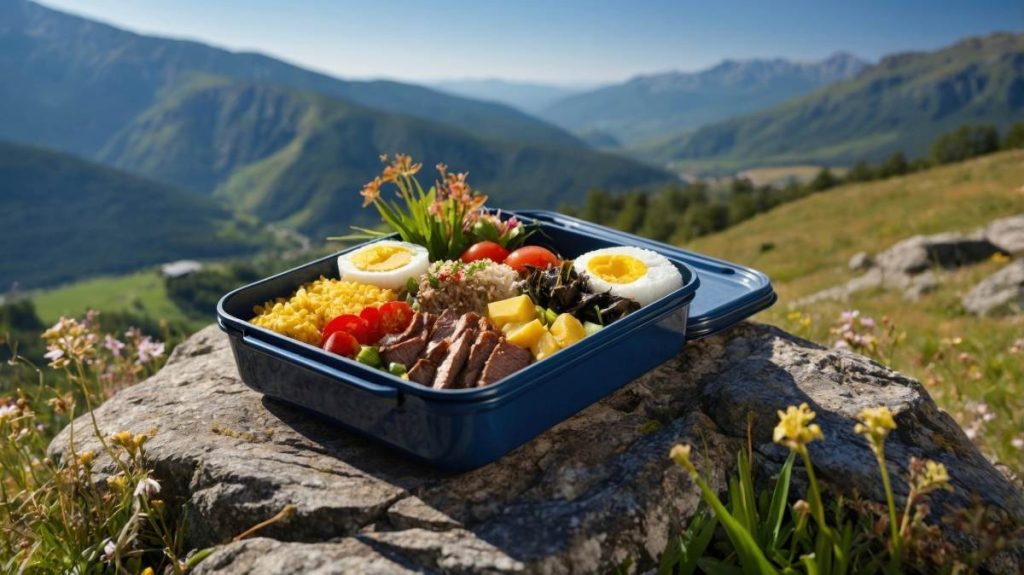
It is designed to be portable, energy-rich, and easy to digest, often including:
- Sandwiches or wraps
- Boiled eggs
- Fruit such as bananas or oranges
- Biscuits or energy bars
- Juice or hot drinks carried in thermos flasks
Because trekking continues after lunch, meals are intentionally not too heavy, avoiding sluggishness during afternoon climbs.
Dinner at Camp: The Highlight of the Day
After a long day of hiking, dinner becomes a moment of comfort and restoration. It is often the most anticipated part of the day.
A typical dinner might include:
- Soup to start (lentil, vegetable, or chicken-based)
- A main course such as rice, pasta, or potatoes with vegetables and protein
- Stews or curries adapted for altitude-friendly digestion
- Fresh fruit or simple desserts
Despite being in a remote environment, meals are often nutritious, warm, and surprisingly varied. The focus is on replenishing energy stores and encouraging recovery for the next day’s ascent.
Hydration: The Most Important Nutrient
While food is important, hydration is arguably even more critical on Kilimanjaro. Dehydration can worsen altitude sickness and significantly reduce performance.
Climbers are encouraged to drink 3-4 litres of water per day, which is often provided as boiled or purified water by the support team.
Hydration sources include:
- Bottled or treated water
- Herbal teas
- Warm soups
- Electrolyte supplements (recommended in some cases)
Even when thirst is not strong at altitude, regular sipping is essential.
Appetite at High Altitude
One of the most common challenges climbers face is reduced appetite. As altitude increases, the body undergoes physiological changes that can suppress hunger.
This can lead to:
- Skipping meals unintentionally
- Low energy levels
- Slower acclimatisation
Experienced guides and cooks work carefully to encourage regular eating, often offering small, frequent portions rather than large meals. Warm drinks and soups also help maintain calorie intake when solid food becomes less appealing.
Special Diets and Dietary Requirements
Kilimanjaro expeditions are increasingly accommodating a wide range of dietary needs. Whether vegetarian, vegan, gluten-free, or allergy-specific, meals can usually be adapted with advance notice.
Common dietary accommodations include:
- Vegetarian meals: Lentils, beans, vegetables, eggs, and dairy alternatives
- Vegan options: Plant-based stews, grains, fruits, and legumes
- Gluten-free diets: Rice, potatoes, and corn-based alternatives
- Allergy considerations: Adjusted ingredients and careful meal planning
Communication before the trek is essential so that cooks can prepare appropriately.
The Importance of Carbohydrates
Carbohydrates form the backbone of high-altitude nutrition. They provide quick and efficient energy, which is crucial for long trekking days.
Staples commonly used include:
- Rice
- Pasta
- Potatoes
- Bread
- Porridge oats
These foods are easy to digest and help maintain energy levels without placing strain on the body.
Protein for Recovery
Protein plays an important role in muscle recovery and endurance. While Kilimanjaro meals are not heavily meat-based at altitude, climbers still receive sufficient protein through:
- Eggs
- Chicken or beef (where appropriate)
- Beans and lentils
- Nuts and seeds
Protein helps the body repair itself after long days of physical exertion, especially in cold conditions.
The Psychological Role of Food
Food on Kilimanjaro is not just about physical fuel – it also plays a major psychological role.
After hours of hiking through challenging terrain, arriving at camp to find a warm meal prepared in a dining tent can significantly boost morale. Shared meals also create a sense of community among climbers, reinforcing motivation during difficult stages of the ascent.
Even simple comforts like a cup of hot tea or a sweet biscuit can feel unexpectedly rewarding at high altitude.
Snacks: Small but Essential Energy Sources
Snacking plays a crucial role between meals, especially during long trekking days when energy dips are common. Many climbers rely on personal snacks to supplement provided meals.
Useful options include:
- Energy bars
- Nuts and trail mix
- Dried fruit
- Chocolate or sweets for quick energy
- Electrolyte tablets
For those preparing for the trek, it is worth considering carefully what to bring. A well-planned selection of snacks and nutrition essentials to pack for Kilimanjaro can make long days significantly more manageable.
Food Hygiene and Safety
Despite the remote environment, food hygiene on Kilimanjaro is generally well managed by professional crews.
Key practices include:
- Boiling or purifying all drinking water
- Cooking meals thoroughly
- Washing produce carefully
- Maintaining clean cooking environments
Climbers are advised to wash their hands regularly and use sanitiser before meals to reduce the risk of stomach illness, which can be particularly disruptive at altitude.
How Nutrition Supports Summit Success
Proper nutrition is directly linked to summit success. As climbers ascend above 4,000 metres, energy levels naturally decline due to reduced oxygen availability.
Well-balanced meals help:
- Maintain stamina during long trekking days
- Support acclimatisation
- Reduce fatigue and dizziness
- Improve mental focus during summit night
Without sufficient calorie intake, even strong climbers may struggle during the final push to the summit.
The Final Push: Summit Night Nutrition
The final ascent, typically beginning around midnight, is one of the most physically demanding parts of the journey. Appetite is usually low, but small amounts of food and drink are essential.
Before setting off, climbers are often given:
- Hot tea or soup
- Light snacks such as biscuits or chocolate
- Warm water for hydration
These small energy boosts can make a significant difference during the long, cold climb to Uhuru Peak.
Keeping Yourself Healthy On The Mountain
Food and nutrition on Kilimanjaro are far more than a logistical detail. They are a central part of the climbing experience. From carefully prepared camp meals to quick snacks on the trail, every element is designed to sustain the body through one of the world’s most iconic mountain journeys.
While conditions are simple, the combination of thoughtful preparation, experienced mountain chefs, and structured meal planning ensures climbers remain well-fuelled throughout their ascent.
Ultimately, success on Kilimanjaro depends not only on determination and fitness but also on how well the body is nourished. With the right balance of hydration, carbohydrates, protein, and steady snacking, climbers give themselves the best possible chance of completing a safe and rewarding summit expedition in East Africa.
FAQs
Will I get enough food on Kilimanjaro?
Yes. Meals are designed to be calorie-rich and sufficient for the demands of multi-day trekking.
What if I lose my appetite at altitude?
This is common. Eating small, frequent meals and focusing on liquids like soup and tea can help maintain energy.
Can dietary requirements be catered for?
Yes, most operators accommodate vegetarian, vegan, and other dietary needs with advance notice.
Are snacks really necessary?
Yes. Snacks help maintain energy between meals and are especially useful during long trekking days.
Is the food safe to eat on the mountain?
Yes, reputable teams follow strict hygiene practices including boiling water and proper food handling.