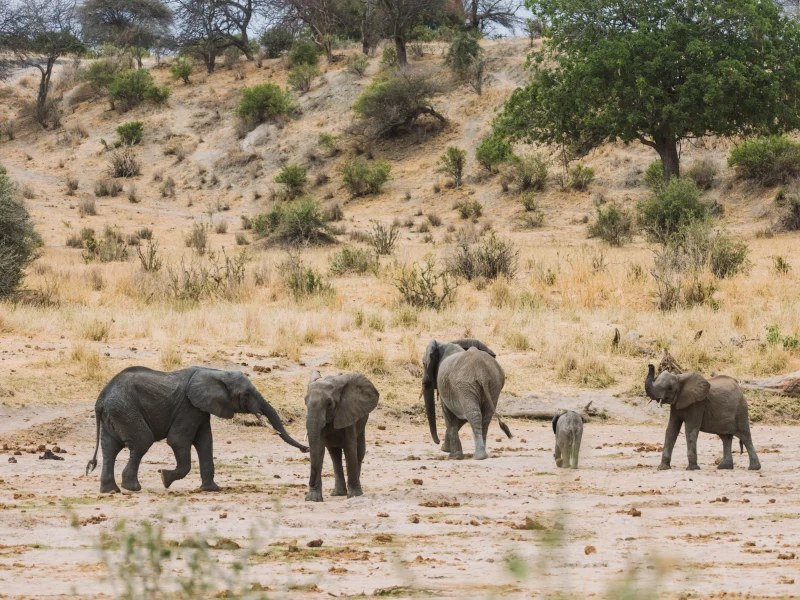
An African safari is one of the most extraordinary travel experiences in the world. From watching elephants wander beneath ancient baobab trees to witnessing thousands of wildebeest cross the vast Serengeti plains, a safari offers an opportunity to experience nature in its most authentic form.
But planning an African safari can also raise many questions. Where should you go? When is the best time to visit? How much should you budget? And what can you expect from your first wildlife adventure?
For travelers looking to experience Africa’s remarkable wildlife, Tanzania is an excellent place to begin. With its world-famous national parks, diverse landscapes, rich cultural heritage and opportunities for adventure, the country offers much more than traditional game drives.
This African safari guide covers everything you need to know to plan your journey, from choosing the right destinations and travel season to understanding safari costs, accommodation options and responsible travel.
What Is an African Safari?
The word safari comes from the Swahili word meaning “journey.” Today, it is commonly associated with traveling through natural landscapes to observe wildlife in its natural habitat.
However, an African safari is not limited to watching animals from a vehicle. Depending on your destination, a safari can include guided walking adventures, boat excursions, birdwatching, cultural encounters and even hot-air balloon flights over the savannah.
Unlike visiting a zoo or wildlife enclosure, a safari takes you into environments where animals roam freely. Every day brings different experiences, and no two game drives are ever the same.
In Tanzania, safari experiences range from exploring the open plains of the Serengeti to navigating the waterways of the Rufiji River and discovering the remote wilderness of southern Tanzania.
Why Tanzania Is One of the Best African Safari Destinations

Africa is home to many exceptional safari destinations, including Kenya, Botswana, South Africa, Namibia and Uganda. Each country offers a different wildlife experience.
Tanzania stands out for the diversity of experiences that can be combined within a single journey.
The country is home to the Serengeti ecosystem, the Ngorongoro Crater, Africa’s highest mountain and some of the continent’s most remarkable protected wilderness areas.
One of Tanzania’s greatest attractions is the Great Wildebeest Migration, an extraordinary annual movement of wildlife across the Serengeti-Mara ecosystem.
Beyond wildlife, Tanzania offers opportunities to explore traditional cultures, trek Mount Kilimanjaro, discover historical coastal towns and relax on the beaches of Zanzibar.
This combination makes Tanzania particularly appealing to first-time safari travelers who want to experience several aspects of Africa in one holiday.
Source: UNESCO – Ngorongoro Conservation Area Authority
Best Places to Go on an African Safari in Tanzania
Choosing the right wildlife attraction is one of the most important parts of planning a safari. Each destination offers different landscapes, wildlife and experiences.
Serengeti National Park: The Endless Plains
The Serengeti is often the first destination that comes to mind when people imagine an African safari.
Its name is derived from a Maasai word associated with endless plains, reflecting the vast grasslands that stretch across the landscape.
The park is internationally recognized for its wildlife, including lions, cheetahs, leopards, elephants, giraffes and enormous herds of grazing animals.
The Serengeti is also central to the Great Wildebeest Migration, during which more than a million wildebeest, accompanied by zebras and other animals, move across the ecosystem in search of fresh grass and water.
Although the migration attracts much attention, the Serengeti offers excellent resident wildlife viewing throughout the year. (Source: UNESCO – Serengeti National Park)
Best for: First-time safari visitors, wildlife photography, big cats and migration experiences.
Recommended stay: Three to four nights.
Ngorongoro Crater: Wildlife Inside an Ancient Volcano
The Ngorongoro Crater is one of Africa’s most remarkable natural landscapes.
Formed following the collapse of an ancient volcano, this vast caldera contains grasslands, forests, freshwater springs and seasonal wetlands that support an impressive concentration of wildlife.
Visitors can encounter lions, elephants, buffaloes, hippos, hyenas and numerous bird species. The crater is also one of Tanzania’s important habitats for the endangered black rhinoceros.
Because of its relatively compact wildlife-viewing area, Ngorongoro is particularly rewarding for travelers with limited safari time.
The wider Ngorongoro Conservation Area is a UNESCO World Heritage Site, recognized for both its natural and cultural significance.
Best for: Big Five safaris, family travel, scenic landscapes and wildlife photography.
Recommended stay: One to two nights in the surrounding area.
Tarangire National Park: Elephants and Ancient Baobabs
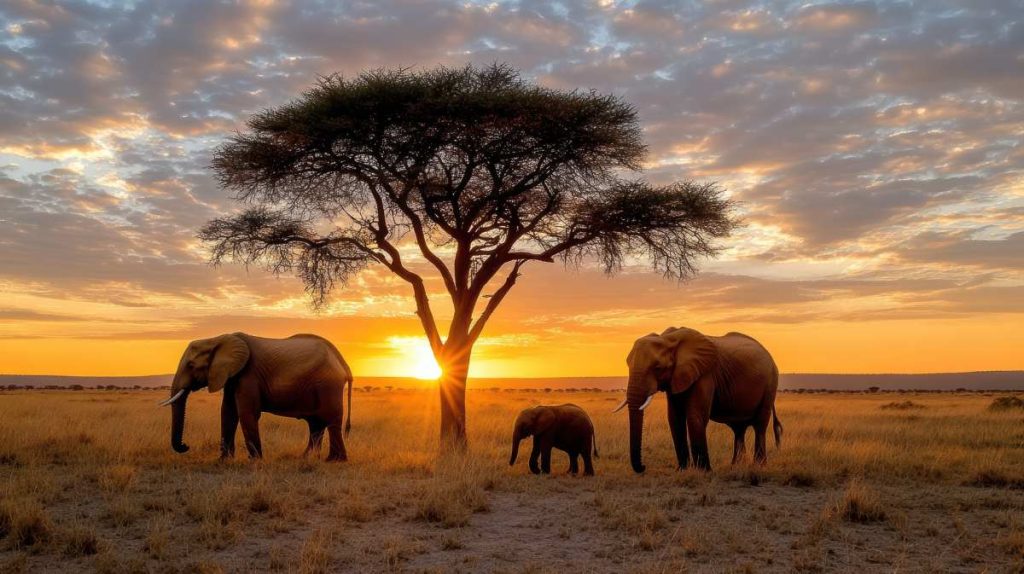
Tarangire National Park offers a different safari experience from the open plains of the Serengeti.
Its landscape is characterized by ancient baobab trees, woodland and the Tarangire River, which becomes an important water source during the dry season.
Between June and October, wildlife often gathers around the river and remaining water sources, creating excellent game-viewing opportunities.
Tarangire is particularly famous for its elephant populations, although visitors can also encounter giraffes, zebras, wildebeests, lions and a wide variety of birds.
Best for: Elephant encounters, birdwatching and classic African landscapes.
Recommended stay: One to two nights.
Lake Manyara National Park: Forests, Birds and Rift Valley Scenery
Situated beneath the dramatic Great Rift Valley escarpment, Lake Manyara National Park offers a diverse mixture of forests, wetlands and open landscapes.
The park is known for its tree-climbing lions, although these sightings are relatively uncommon and should not be considered guaranteed.
Lake Manyara is also home to baboons, elephants, giraffes, hippos and numerous bird species.
Its compact size and convenient location make it a useful addition to a northern Tanzania safari itinerary.
Best for: Birdwatching, scenic game drives and short wildlife excursions.
Recommended stay: A day visit or one night.
Nyerere National Park: A Safari Beyond the Game Drive
For travelers looking beyond Tanzania’s famous northern circuit, Nyerere National Park offers a vast wilderness with rivers, lakes, woodland and open plains.
One of its most distinctive experiences is a boat safari along the Rufiji River.
From the water, visitors can observe hippos, crocodiles, waterbirds and animals approaching the riverbanks.
Nyerere also offers traditional game drives and guided walking safaris in designated areas, providing different perspectives on the African wilderness.
Best for: Boat safaris, adventurous travelers, birdwatching and less crowded wildlife experiences.
Recommended stay: Three to four nights.
Ruaha National Park: Tanzania’s Remote Wilderness
Ruaha is an excellent destination for travelers seeking a quieter and more remote African safari.
Its rugged landscapes, baobab trees, river valleys and diverse wildlife create a distinctive wilderness atmosphere.
The park is particularly known for its elephants, lions and other predators, as well as its impressive birdlife.
Because Ruaha is farther from the main northern tourism circuit, visitors often enjoy a more secluded safari experience.
Best for: Experienced safari travelers, wildlife photographers and remote wilderness adventures.
Recommended stay: Three to four nights.
Travelers interested in exploring Tanzania beyond the Serengeti can discover how these parks fit together in this Southern Tanzania safari itinerary.
Northern vs Southern Tanzania Safari: Which Circuit Should You Choose?
Tanzania’s safari destinations are commonly grouped into northern, southern and western circuits.
| Feature | Northern Tanzania | Southern Tanzania |
|---|---|---|
| Main destinations | Serengeti, Ngorongoro, Tarangire, Lake Manyara | Nyerere, Ruaha, Mikumi |
| Wildlife experience | Iconic wildlife and migration | Remote wilderness and diverse habitats |
| Visitor numbers | Generally higher | Generally lower |
| Main activities | Game drives, balloon safaris, cultural visits | Game drives, walking and boat safaris |
| Accessibility | Well-established road and air connections | Longer road transfers or domestic flights |
| Ideal travelers | First-time visitors and families | Repeat visitors and wilderness enthusiasts |
The northern circuit is often the best introduction to an African safari because several internationally recognized destinations can be combined within one itinerary.
Southern Tanzania, on the other hand, appeals to travelers seeking fewer vehicles, remote landscapes and a wider variety of safari activities.
When Is the Best Time to Go on an African Safari in Tanzania?
Tanzania is a year-round safari destination, but the experience changes depending on rainfall, wildlife movements and the landscapes you wish to explore.
June to October: The Dry Season
The dry season is one of the most popular periods for wildlife safaris in Tanzania.
Vegetation becomes thinner, and animals often gather around rivers and water sources, making wildlife easier to observe.
This period is particularly rewarding in Tarangire, Ruaha and Nyerere. It also coincides with opportunities to witness migration river crossings in the northern Serengeti, depending on the movement of the herds.
Travelers visiting during this season should book accommodation well in advance.
November to December: The Short Rains
Short rains often transform dry landscapes into greener environments.
This period can offer beautiful scenery, excellent birdwatching and fewer visitors in some destinations.
Rainfall varies between regions and years, so travelers should remain flexible when planning activities.
January to March: The Wildebeest Calving Season
The southern Serengeti and Ndutu region are particularly rewarding during the early months of the year.
Large herds of wildebeest gather on the nutrient-rich grasslands, and the calving season attracts predators such as lions, cheetahs and hyenas.
For photographers and wildlife enthusiasts, this period offers opportunities to observe some of the most fascinating interactions in the natural world.
Explore this Ndutu migration safari itinerary to understand how a calving-season journey can be organized.
April to May: The Green Season
The long rains bring lush vegetation, dramatic skies and a quieter atmosphere to many safari destinations.
Some camps may offer more attractive rates, although certain roads can become difficult to navigate and some seasonal properties may close.
For travelers who prioritize photography, birdlife and fewer crowds, the green season can be an excellent alternative.
Tanzania Safari Seasons at a Glance
| Travel period | Main highlights |
|---|---|
| January – March | Calving season, predators and green landscapes |
| April – May | Fewer visitors, lush scenery and birdwatching |
| June – July | Dry-season wildlife viewing and migrating herds |
| August – October | Northern Serengeti migration opportunities and excellent general game viewing |
| November – December | Green landscapes, migratory birds and changing wildlife movements |
Remember that wildlife follows natural conditions rather than a fixed calendar. Rainfall and migration movements can vary significantly from year to year.
Understanding the Great Wildebeest Migration

The Great Migration is one of the world’s most remarkable wildlife spectacles.
More than a million wildebeests, together with zebras and other grazing animals, move through the Serengeti-Mara ecosystem in a continuous search for food and water.
Contrary to a common misconception, migration is not a single event that happens once a year. It is a continuous cycle.
The main stages generally include:
- January to March:Calving in the southern Serengeti and Ndutu region.
- April to June: Herds gradually move through central and western areas.
- July to October: Herds may gather in the northern Serengeti and cross into Kenya’s Maasai Mara.
- November to December: Wildlife gradually returns toward the southern plains.
River crossings are among the most dramatic moments of migration, but they are unpredictable. Herds may gather near a river for hours or days before crossing.
The best way to plan a migration safari is to choose accommodation and destinations according to the expected location of the herds during your travel period.
For an example of a dry-season migration journey, see the Migration Wilderness Wanderlust itinerary.
What Animals Can You See on an African Safari?
One of the greatest attractions of an African wildlife safari is the opportunity to observe animals in their natural environment.
Tanzania supports a remarkable variety of wildlife, including some of Africa’s most iconic species.
The African Big Five
The term “Big Five” originally referred to five animals considered particularly challenging to hunt on foot. Today, it is widely used in wildlife tourism and conservation.
The Big Five are:
- African lion
- African elephant
- Leopard
- African buffalo
- Rhinoceros
Tanzania is home to all five species, although the likelihood of seeing each animal depends on the destination and conditions.
Serengeti and Ngorongoro are among the best-known destinations for Big Five safaris.
Beyond the Big Five
An African safari is about much more than completing a wildlife checklist.
Travelers may also encounter:
- Cheetahs hunting across open grasslands.
- Giraffes feeding on acacia trees.
- Hippos resting in rivers and lakes.
- Zebras and wildebeest moving across the savannah.
- Hyenas, jackals and other scavengers.
- African wild dogs in suitable habitats.
- Ostriches, hornbills, eagles and hundreds of other bird species.
Some of the most memorable safari experiences involve observing animal behavior rather than simply spotting different species.
Watching elephants interact with their young or spending time observing a pride of lions can be just as rewarding as encountering a rare animal.
What Types of African Safaris Are Available?
Different safari styles suit different travelers, budgets and interests.
Private Safaris
A private safari provides a dedicated vehicle and guide for your own traveling party.
This allows greater flexibility when deciding when to start a game drive, how long to spend at wildlife sightings and which activities to prioritize.
Private safaris are particularly suitable for families, couples, photographers and travelers with specific interests.
Group Safaris
Group safaris involve sharing transportation and an itinerary with other travelers.
They can be a more affordable option, particularly for solo travelers, because vehicle and guiding costs are shared.
However, group departures generally follow a fixed schedule, with less flexibility to personalize daily activities.
Before deciding, read this detailed comparison of private versus group safaris in Tanzania.
Luxury Safaris
Luxury African safaris combine wildlife experiences with high-end accommodation, personalized services and additional comforts.
These may include exclusive tented camps, private plunge pools, fly-in transfers and carefully selected locations within or near wildlife areas.
Luxury does not necessarily mean being disconnected from nature. Many premium camps are designed to offer close connections with the surrounding wilderness.
Explore examples of luxury African safari experiences to understand how premium journeys differ from conventional safari itineraries.
Walking Safaris
A walking safari allows travelers to explore the wilderness on foot under the supervision of qualified guides and, where required, armed rangers.
Rather than focusing only on large animals, walking safaris reveal smaller details of the ecosystem, including animal tracks, insects, plants and signs of wildlife activity.
These experiences are available in designated areas and may have age or fitness restrictions.
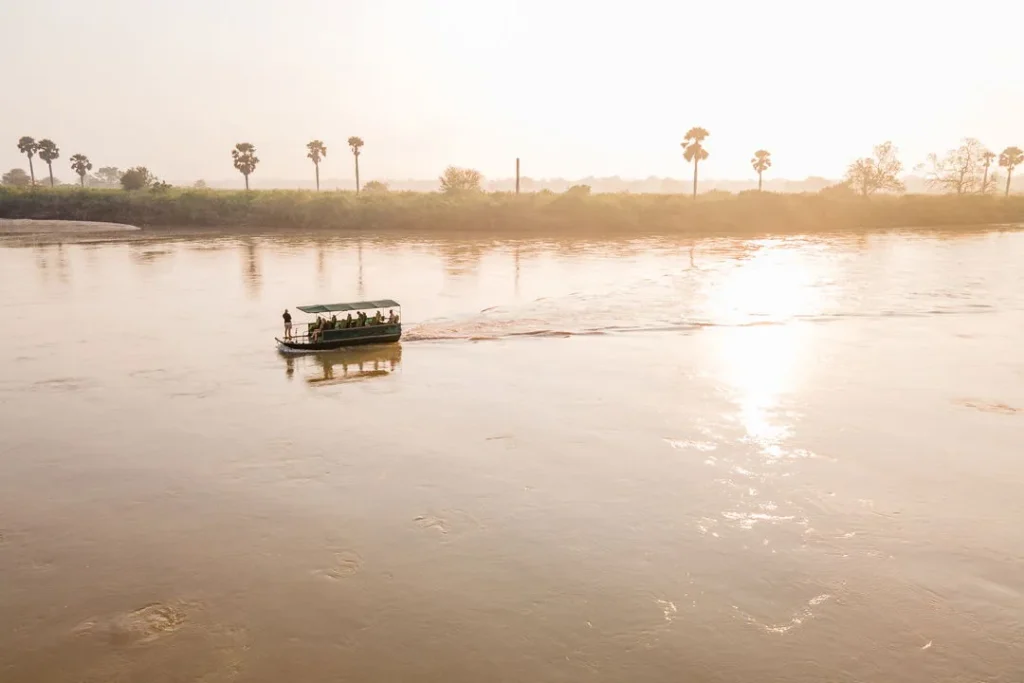
Boat Safaris
Boat safaris offer a different perspective on wildlife viewing.
In Nyerere National Park, excursions along the Rufiji River provide opportunities to observe aquatic wildlife, birds and animals visiting the riverbanks.
They are an excellent complement to traditional game drives.
Photographic Safaris
A photographic safari focuses on wildlife behavior, lighting, landscapes and spending sufficient time at individual sightings.
Travelers interested in photography should consider the season, vehicle configuration, guide experience and the amount of time allocated to each destination.
How Much Does an African Safari in Tanzania Cost?
The cost of an African safari depends on several factors, including the duration of your trip, accommodation standards, season, transportation and number of travelers.
As a broad planning estimate, a Tanzania safari may fall within the following ranges:
| Safari category | Estimated cost per person, per day |
|---|---|
| Budget safari | USD 200–350 |
| Mid-range safari | USD 350–650 |
| Luxury safari | Prices provided on request |
| Ultra-luxury safari | Prices provided on request |
These are indicative planning estimates, not fixed package prices. Actual costs can vary considerably depending on your itinerary, accommodation and group size.
Frequently Asked Questions
Many organized Tanzania safari packages include:
- Accommodation and specified meals.
- Safari vehicle and professional guide.
- Park entry and conservation fees.
- Game drives and specified activities.
- Transfers between destinations.
International flights, visas, travel insurance, gratuities, optional activities and personal expenses are often excluded.
Before comparing safari prices, check exactly what is included. A lower initial price does not necessarily mean a lower total cost.
Travelers looking to manage their safari budget can consider visiting outside peak season, traveling with friends or family to share vehicle costs, choosing mid-range accommodation and limiting unnecessary domestic flights.
A well-planned itinerary that focuses on fewer destinations can also provide a more rewarding experience than an ambitious schedule with long daily transfers.
The ideal safari duration depends on the destinations you want to visit and the pace at which you prefer to travel.
For a first African safari in Tanzania, five to eight days is a useful starting point.
3–4 Days: A Short Wildlife Safari
Suitable for travelers with limited time, a short safari can focus on Tarangire and Ngorongoro, with Lake Manyara included if the schedule allows.
5–7 Days: A Classic Northern Tanzania Safari
This duration allows travelers to combine Tarangire, Serengeti and Ngorongoro while spending sufficient time observing wildlife.
A typical itinerary might include:
| Day | Suggested experience |
|---|---|
| 1 | Arrive in Arusha and prepare for your safari |
| 2 | Explore Tarangire National Park |
| 3 | Travel to Serengeti National Park |
| 4 | Full-day wildlife viewing in the Serengeti |
| 5 | Additional Serengeti game drives |
| 6 | Explore Ngorongoro Crater |
| 7 | Return to Arusha for departure or onward travel |
This is an illustrative itinerary. Actual travel arrangements should account for accommodation locations, seasonal wildlife movements and transfer times.
8–10 Days: An Extended Safari
An extended safari allows more time in individual destinations, reduces the pressure of frequent transfers and creates opportunities for cultural experiences, walking safaris or additional wildlife areas.
10–14 Days: Safari and Zanzibar
Travelers with more time can combine a wildlife safari with several days on the Indian Ocean coast.
This provides a balance between adventure and relaxation, making it especially appealing to honeymooners, families and first-time visitors to Tanzania.
See how these experiences can be combined in the Grand Tanzanian Journey safari and beach itinerary.
A safari day often begins early in the morning, when temperatures are cooler and many animals are active.
After breakfast or an early cup of coffee, travelers head into the park for a morning game drive.
Depending on the itinerary, lunch may be enjoyed at a designated picnic site or back at the lodge.
The afternoon might include another game drive, a guided activity or time to relax at camp.
As the sun sets, travelers return to their accommodation for dinner and an opportunity to reflect on the day’s experiences.
Some itineraries include full-day game drives, while others allow a slower pace with morning and afternoon excursions.
The rhythm of a safari is influenced by wildlife activity, park regulations, weather conditions and personal preferences.
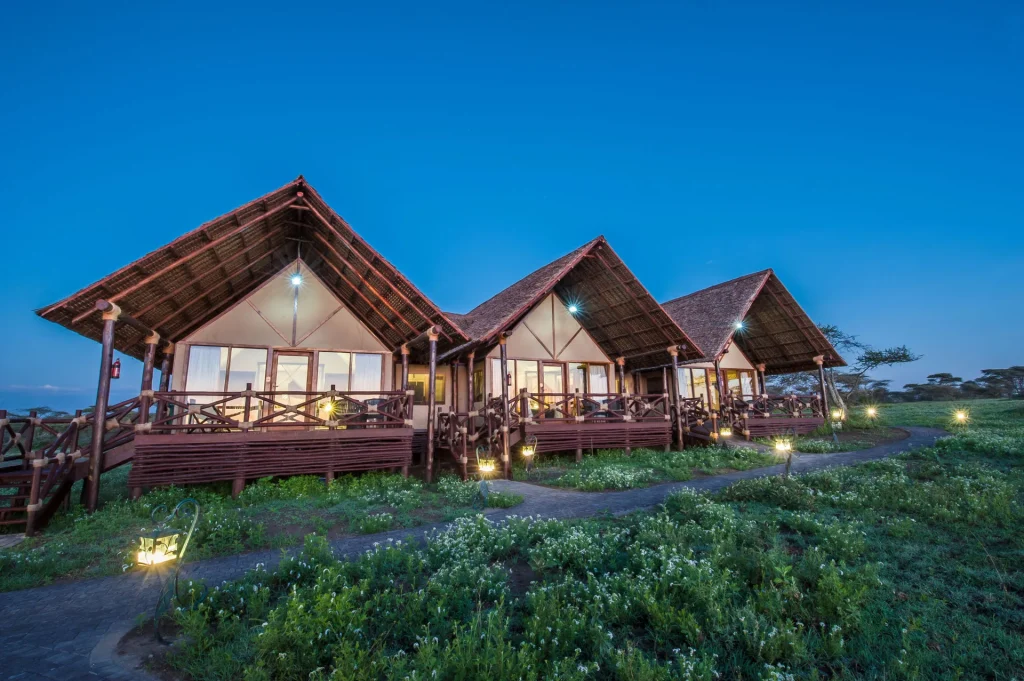
Safari accommodation ranges from simple campsites to luxurious lodges and exclusive wilderness camps.
Safari Lodges
Lodges generally offer permanent buildings with private rooms, dining facilities and comfortable amenities.
Some have swimming pools, viewing decks and other facilities suitable for families or travelers who prefer additional comfort.
Tented Camps
Tented camps provide a closer connection to nature while often offering comfortable beds, private bathrooms and dining facilities.
Depending on the category, they can range from simple seasonal camps to exceptionally luxurious properties.
Mobile Migration Camps
Mobile camps relocate seasonally to follow wildlife movements.
They are particularly useful for travelers whose main interest is experiencing different stages of the Great Wildebeest Migration.
Public and Special Campsites
Camping offers a more adventurous approach and can help reduce accommodation costs.
Facilities vary, and travelers should understand the level of comfort and services provided before selecting this option.
When choosing accommodation, consider its location as carefully as its facilities. Staying closer to the wildlife areas you want to explore can significantly reduce daily driving time.
Packing for a safari is generally straightforward, but a few essential items can make your journey more comfortable.
Consider bringing:
- Lightweight clothing in neutral colors.
- A warm fleece or jacket for early mornings.
- Comfortable walking shoes.
- A wide-brimmed hat and sunglasses.
- Sunscreen and insect repellent.
- Binoculars and a camera.
- A reusable water bottle.
- Personal medication and basic travel health supplies.
- A small daypack for game drives.
- Travel documents and insurance information.
Soft-sided luggage is often recommended, especially when your itinerary includes small domestic aircraft.
Check your airline’s baggage restrictions before traveling, as luggage allowances on safari flights can differ from international flights.
An organized safari with experienced guides is generally a manageable travel experience for first-time visitors.
However, wild animals are unpredictable, and visitors must respect the rules of national parks and conservation areas. (Source: Tanzania National Parks – TANAPA)
Always follow your guide’s instructions, remain inside your vehicle unless permitted to leave, avoid approaching or feeding wildlife and respect designated activity areas.
At lodges and camps, staff may provide additional safety instructions, particularly where wildlife moves freely around the property.
Before traveling, consult a qualified travel health professional regarding recommended vaccinations, malaria prevention and other health considerations.
Travelers should also check Tanzania’s current visa, entry and insurance requirements through official government sources.
One of the advantages of choosing Tanzania for an African safari is the variety of experiences available beyond its national parks.
Safari and Zanzibar Beach Holidays
Zanzibar is a popular extension to a Tanzania safari.
After several days exploring wildlife areas, travelers can enjoy the island’s beaches, historical Stone Town, spice farms and marine activities.
Domestic flights connect Zanzibar with several mainland destinations, making it relatively convenient to combine the two experiences.
Safari and Mount Kilimanjaro
For adventurous travelers, climbing Mount Kilimanjaro can be combined with a wildlife safari.
Many visitors choose to complete their trek first and then enjoy a safari at a more relaxed pace.
Safari and Cultural Experiences
Tanzania is home to diverse communities, languages and cultural traditions.
Travelers can complement wildlife experiences with respectfully organized cultural visits, local food experiences, traditional crafts and historical attractions.
These experiences provide a deeper understanding of the country and the people who call it home.
Discover more ways to combine wildlife, mountains, culture and beaches through these Tanzania travel experiences.
Responsible tourism plays an important role in protecting the landscapes and wildlife that make African safaris possible.
When planning your journey, look for tour operators and accommodation providers that demonstrate a genuine commitment to environmental conservation and local communities.
A responsible safari should:
- Respect wildlife and maintain appropriate viewing distances.
- Avoid activities that exploit or disturb wild animals.
- Support local employment and community participation.
- Minimize unnecessary waste and environmental impacts.
- Follow national park regulations.
- Encourage meaningful and respectful cultural interactions.
Travelers can also contribute by avoiding single-use plastics where practical, conserving water and supporting locally owned businesses.
Choosing a safari is not only about what you experience but also about the impact your journey leaves behind.
Frequently Asked Questions About African Safaris
Tanzania is an excellent choice because of its diverse wildlife, established safari routes and internationally recognized destinations such as Serengeti and Ngorongoro. Kenya, South Africa and Botswana are also popular options, depending on your interests and budget.
June through October generally offers excellent dry-season wildlife viewing. January and February are particularly rewarding for travelers interested in the wildebeest calving season. The best month depends on your preferred experiences.
A seven-day Tanzania safari may cost approximately USD 1,400 to USD 8,400 or more per person, depending on accommodation, season, group size and inclusions. International flights and other additional expenses may not be included.
Yes. Tanzania is home to lions, elephants, buffaloes, leopards and rhinoceroses. Serengeti and Ngorongoro are among the best-known destinations for Big Five viewing, although sightings cannot be guaranteed.
Yes. Many safari experiences are suitable for families. Parents should consider children’s ages, accommodation policies, daily driving distances and restrictions on activities such as walking safaris.
For popular travel periods, booking six to twelve months in advance is advisable, particularly if you want specific accommodation or migration camps. Travelers visiting outside peak season may have more flexibility.
Visa requirements depend on your nationality. Many international travelers require a visa, which may be available online or on arrival, while some nationalities have different requirements. Always confirm current information with Tanzania’s official immigration authorities before traveling.
Source: Tanzania Immigration Department
Yes. Private safaris allow you to travel independently or with your own family and friends, accompanied by a dedicated guide and vehicle.
A lodge generally consists of permanent buildings, while a tented camp uses canvas accommodation designed to provide a closer connection with nature. Both can offer comfortable or luxury facilities.
Yes. Serengeti and Zanzibar can be combined within a single itinerary, offering wildlife adventures followed by beach relaxation. A ten- to fourteen-day journey provides a comfortable timeframe for both experiences.
Final Thoughts: Planning Your African Safari
An African safari is not simply about visiting national parks or seeing the Big Five. It is about discovering extraordinary ecosystems, understanding wildlife, experiencing different cultures and creating memories that remain with you long after your journey ends.
Tanzania offers a remarkable introduction to Africa’s wilderness, whether you are watching the Great Migration in the Serengeti, exploring the ancient landscapes of Ngorongoro or drifting along the Rufiji River.
The key to a rewarding safari is choosing the destinations, season, accommodation and activities that reflect your personal interests.
Take time to research your options, consider how you want to experience the wilderness and allow enough time to enjoy each destination.
For travelers ready to turn their research into an itinerary, the Tanzania journey planner provides a useful starting point for organizing a personalized safari based on travel dates, interests and preferred experiences.
This guide is prepared by Mauly Tours & Safaris, a Tanzanian-owned travel company established in 1983, with experience organizing wildlife safaris, mountain adventures and cultural journeys across East Africa.