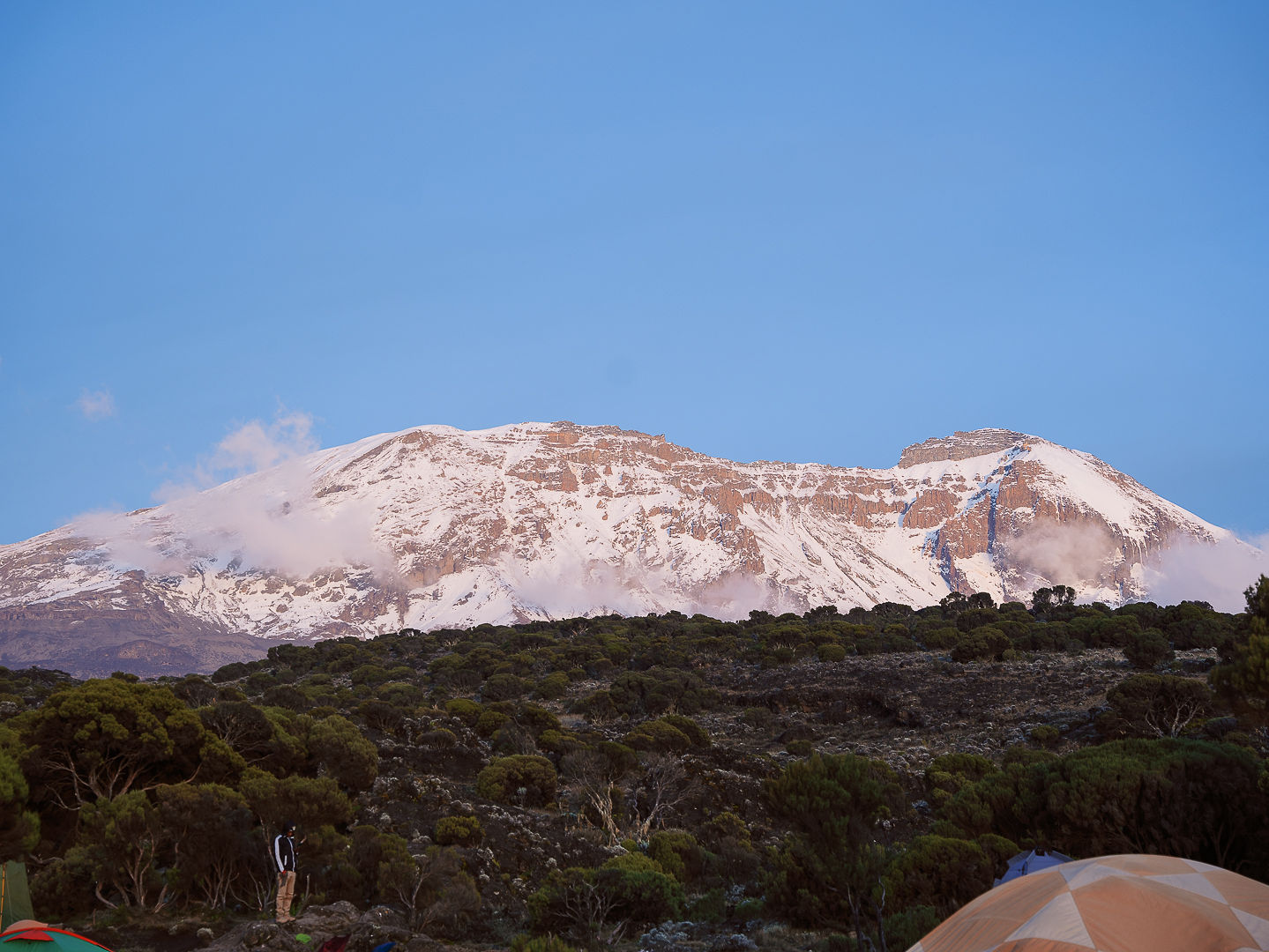
Reaching Uhuru Peak is often described as the moment climbers have been working towards for months, if not years. Standing at 5,895 metres above sea level, watching the sun rise above the clouds, is an achievement that few people ever forget. Yet while the summit may mark the end of the climb itself, it is not the end of the journey for your body.
Many climbers are surprised by how they feel in the days following Kilimanjaro. Some experience overwhelming fatigue, others notice stiff muscles they didn’t realise they had, and many find themselves dealing with an unexpected emotional adjustment after completing such a significant goal.
Recovery after Kilimanjaro is often overlooked during the planning process, but it plays a crucial role in ensuring that the experience remains positive long after you leave the mountain behind. Understanding what to expect and how to support your body afterwards can make the difference between a difficult recovery period and a smooth return to normal life.
Why Kilimanjaro Takes Such a Toll on the Body
Although Kilimanjaro is technically a trekking peak rather than a mountaineering expedition, it places significant demands on the body.
Over several days, climbers face:
- Reduced oxygen levels
- Long hours of walking
- Cold temperatures
- Variable sleep quality
- Increased calorie expenditure
- Dehydration risks
- Repeated elevation gain and loss
By the time climbers descend, their bodies have spent days adapting to high altitude while simultaneously performing sustained physical activity.
Even if you felt strong on summit day, it is completely normal to feel exhausted afterwards.
The First 24 Hours After the Climb
The initial day after leaving the mountain is often characterised by a mixture of relief, pride, and exhaustion.
Many climbers return to their hotel expecting to celebrate immediately, only to discover that they are far more tired than anticipated.
This is perfectly normal.
The body is beginning to recover from:
- Altitude exposure
- Sleep disruption
- Muscle fatigue
- Calorie deficits
- Dehydration
One of the best things you can do during this period is simply rest. There is no need to rush into additional activities or sightseeing immediately after the climb.
Allowing yourself a day of recovery often pays dividends later.
Rehydration Comes First
Dehydration is extremely common after Kilimanjaro.
Cold temperatures suppress thirst, while increased breathing rates at altitude cause greater fluid loss. Even climbers who diligently drink water during the trek often finish the mountain slightly dehydrated.
In the days following the climb, focus on gradually replenishing fluids rather than attempting to consume excessive amounts all at once.
Water remains essential, but electrolyte-rich drinks can also help restore minerals lost through exertion.
Good hydration supports:
- Muscle recovery
- Energy levels
- Headache reduction
- Improved sleep
- Better digestion
Many post-climb symptoms improve significantly once hydration levels return to normal.
Managing Muscle Soreness
Descending Kilimanjaro is often harder on the legs than climbing it.
Thousands of downhill steps place considerable strain on the quadriceps, knees, calves, and hips. It is therefore common to experience delayed onset muscle soreness in the days after the trek.
Simple strategies can help minimise discomfort:
- Gentle walking
- Light stretching
- Adequate hydration
- Quality sleep
- Proper nutrition
While the temptation may be to remain completely inactive, gentle movement often helps muscles recover more effectively than total rest.
The key is avoiding anything overly strenuous during the first few recovery days.
The Importance of Sleep
Many climbers underestimate how much sleep debt accumulates during a Kilimanjaro expedition.
Altitude can affect sleep quality throughout the trek, while summit night often involves only a few hours of rest before beginning the ascent.
Once back at lower elevations, the body frequently responds by demanding significantly more sleep.
Some climbers find themselves sleeping for ten or twelve hours per night during the first few days after the climb.
This is a normal and healthy part of the recovery process.
Quality sleep supports:
- Muscle repair
- Hormonal regulation
- Immune function
- Mental recovery
- Energy restoration
Giving yourself permission to rest is one of the most effective recovery tools available.
Refuelling After Days of Exertion
Kilimanjaro requires substantial energy expenditure.
Over the course of the climb, many trekkers consume fewer calories than they burn due to reduced appetite at altitude.
Once back at lower elevations, appetite often returns quickly.
This is an excellent opportunity to focus on recovery nutrition after climbing Kilimanjaro by prioritising balanced meals containing carbohydrates, protein, healthy fats, fruits, and vegetables.
Protein helps repair muscle tissue, while carbohydrates replenish depleted energy stores.
Rather than focusing on restrictive eating habits, recovery is about providing the body with the resources it needs to rebuild and recover.
Understanding Post-Altitude Fatigue
One of the most surprising aspects of post-Kilimanjaro recovery is how long fatigue can linger.
Even after a successful climb with minimal altitude symptoms, the body requires time to fully readjust to lower elevations.
- Some climbers report:
- Reduced energy levels
- Increased need for sleep
- Mild mental fog
- Slower exercise performance
These effects are usually temporary and gradually improve over several days or weeks.
Patience is important.
Your body has just completed a significant physiological challenge and deserves time to recover fully.
Looking After Your Feet
After several days of trekking, your feet often bear the greatest evidence of the climb.
Common issues include:
- Blisters
- Swelling
- Bruised toenails
- Hot spots
- Minor abrasions
Taking time to inspect and care for your feet after the climb can prevent minor issues from becoming more uncomfortable.
Comfortable footwear, clean socks, and proper hygiene all contribute to faster recovery.
Many climbers are surprised by how much better they feel once foot discomfort begins to improve.
The Emotional Side of Recovery
Recovery is not solely physical.
Many climbers experience an emotional adjustment after completing Kilimanjaro.
For months leading up to the trek, training schedules, equipment preparation, and summit goals often become major focuses of daily life.
Then suddenly, it is over.
Some people feel euphoric.
Others feel strangely flat.
Both reactions are completely normal.
The achievement of reaching the summit can create a powerful emotional high, and adjusting back to everyday routines sometimes takes time.
Reflecting on the experience, sharing stories, and reviewing photographs often helps climbers process what they have accomplished.
Returning to Exercise
One of the most common questions after Kilimanjaro is when to resume normal training.
The answer varies depending on individual fitness levels and recovery rates.
As a general guideline:
- Gentle walking can begin immediately
- Light exercise is often suitable after several days
- More intense training may require one to two weeks
Listening to your body is essential.
Returning too quickly can prolong recovery rather than accelerate it.
A gradual approach generally produces the best results.
Extending Recovery with a Safari or Beach Stay
Many travellers choose to follow their climb with a safari or a visit to Zanzibar.
This combination offers an ideal transition between the intensity of the mountain and the return home.
Relaxed game drives, coastal walks, and time spent by the ocean allow the body to recover while still enjoying East Africa’s remarkable landscapes.
For those joining fully-supported Mount Kilimanjaro trekking adventures, adding a few recovery days afterwards often enhances the overall experience considerably.
Rather than rushing directly back to normal life, travellers have time to celebrate their achievement and absorb everything they have accomplished.
Supporting Your Immune System
Physical exertion and altitude can temporarily affect immune function.
This does not mean illness is inevitable, but it does make post-climb self-care particularly important.
Maintaining:
- Good nutrition
- Adequate sleep
- Proper hydration
- Moderate activity levels
can help support overall wellbeing during recovery.
Many climbers find that prioritising these basics makes a significant difference in how quickly they feel fully restored.
Signs You May Need Additional Recovery Time
While most people recover smoothly, some climbers benefit from a more cautious approach.
You may wish to slow down and prioritise recovery if you experience:
- Persistent fatigue
- Ongoing headaches
- Unusual shortness of breath
- Significant muscle soreness
- Difficulty sleeping
Most symptoms resolve naturally with rest, but listening to your body remains important.
Recovery is highly individual, and there is no prize for rushing the process.
Why Recovery Is Part of the Achievement
Modern adventure culture often focuses exclusively on reaching the goal.
The summit photograph becomes the symbol of success.
Yet recovery is an important part of the journey itself.
Looking after your body afterwards allows you to fully appreciate what you have accomplished and ensures that the positive memories of the climb are not overshadowed by preventable discomfort or exhaustion.
Just as preparation matters before Kilimanjaro, recovery matters afterwards.
From Summit Success to Lasting Memories
Reaching the summit of Kilimanjaro is an extraordinary achievement, but the days that follow are equally important for allowing your body and mind to absorb the experience.
By prioritising rest, hydration, nutrition, and gradual recovery, you give yourself the best possible chance of returning home feeling strong, healthy, and proud of everything you have accomplished.
The mountain may be behind you, but the sense of achievement often lasts far longer. Taking care of yourself in the aftermath ensures that the memories of Kilimanjaro remain every bit as rewarding as the climb itself.
FAQs
How long does it take to recover after climbing Kilimanjaro?
Most climbers feel significantly better within a few days, although full recovery can take one to two weeks depending on fitness levels and altitude response.
Is it normal to feel extremely tired after Kilimanjaro?
Yes. Fatigue is one of the most common post-climb symptoms due to altitude exposure, sleep disruption, and sustained physical exertion.
Should I exercise immediately after the climb?
Light walking is generally beneficial, but intense exercise should usually be postponed until your body has had time to recover.
Why do my legs hurt more during the descent than the climb?
Descending places greater strain on muscles, particularly the quadriceps, which often leads to soreness in the days following the trek.
Is a safari or beach holiday a good idea after Kilimanjaro?
Absolutely. Many travellers enjoy combining their climb with a safari or Zanzibar stay, allowing time for relaxation and recovery before travelling home.