



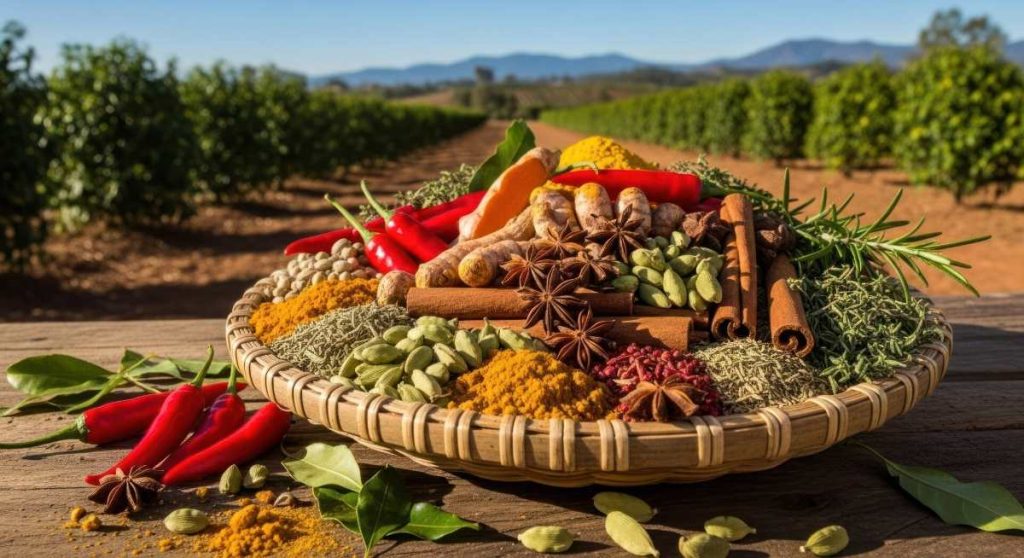
Zanzibar has long been known as the Spice Island, a name earned through centuries of trade that once made it one of the most important hubs in the Indian Ocean. Cloves, nutmeg, cinnamon, vanilla, and cardamom have all shaped its history, economy, and cultural identity. Even today, the scent of spices drifts through the air in ways that feel inseparable from daily life on the island.
Visiting spice farms is one of the best cultural experiences in Zanzibar, because it connects travellers directly to the roots of the island’s heritage. These tours are not just about seeing plants; they are about understanding how Zanzibar’s identity was built, one fragrant harvest at a time.
Here are some of the best spice farms that you should try to visit during your trip to Zanzibar.
Why Zanzibar Became the Spice Island
The story of Zanzibar’s spice farms begins with global trade routes. For centuries, the island sat at the crossroads between Africa, Arabia, India, and Europe. Traders brought seeds and seedlings from distant lands, planting them in fertile coastal soil.
Cloves quickly became the dominant crop, turning Zanzibar into one of the world’s largest producers in the 19th century. Alongside cloves, spices such as cinnamon, pepper, turmeric, and nutmeg became central to both trade and local cuisine.
Today, while tourism has replaced agriculture as the island’s main industry, spice farming remains an essential part of its cultural fabric.
What to Expect on a Spice Farm Tour
A visit to a spice farm is a sensory experience from the moment you arrive. The air feels warmer, heavier, and richly scented. Guides lead visitors through narrow plantation paths, stopping to explain, touch, and taste different plants along the way.
Rather than simply observing, travellers are encouraged to engage fully – smelling crushed leaves, tasting fresh fruit, and watching demonstrations of how spices are harvested and prepared.
A typical tour may include:
- Walking through cultivated spice gardens
- Learning how spices grow and are harvested
- Tasting fresh tropical fruits directly from trees
- Watching demonstrations of traditional uses
- Meeting local farmers and guides
Each stop reveals how deeply integrated spices are into everyday life, from cooking to medicine and even cosmetics.
The Most Popular Spice Farms in Zanzibar
While spice farms can be found across the island, some have become particularly well known for their quality tours and accessibility.
Kizimbani Spice Farm
One of the most visited spice farms, Kizimbani offers a well-structured introduction to Zanzibar’s spice heritage. Located close to Stone Town, it is often included in half-day excursions.
Visitors can see a wide range of spices growing in one place, making it ideal for first-time visitors who want a comprehensive overview.
Kidichi Spice Farm
Kidichi is historically significant, as it was once part of the Sultan’s plantation estates. It is particularly known for cloves, ylang-ylang, and cinnamon.
The farm also features historical architecture nearby, adding a cultural layer to the visit that connects agriculture with Zanzibar’s royal past.
Tangawizi Spice Farm
Tangawizi offers a more interactive experience, with a strong focus on hands-on learning. Guides here often place emphasis on medicinal uses of plants, showing how traditional knowledge is still passed down through generations.
This farm is especially popular with travellers who want a more immersive and less commercial experience.
Spices You Will Commonly Encounter
A spice farm visit introduces travellers to a surprising variety of plants, many of which are used daily in Zanzibar without much thought.
Cloves
Perhaps the most iconic spice of Zanzibar, cloves are harvested from flower buds and dried in the sun. Their strong aroma defines much of the island’s scent profile.
Cinnamon
Harvested from tree bark, cinnamon is used in both sweet and savoury dishes. Watching it being peeled and dried is a highlight of many tours.
Vanilla
Vanilla pods require careful cultivation and long processing times. Seeing how they are grown helps explain why they are one of the world’s most valuable spices.
Nutmeg and Mace
These two spices come from the same fruit but are used differently in cooking. Guides often demonstrate how both are extracted and processed.
Cardamom
Highly aromatic and widely used in Swahili cuisine, cardamom is often crushed and offered for tasting during tours.
Cultural Significance of Spice Farming
Spice farms are not just agricultural spaces; they are living cultural environments. Many of the farmers and guides come from generations of families who have worked the land. Their knowledge is often passed down orally, preserving traditional methods alongside modern tourism practices.
Spices also play a major role in Swahili cuisine, where they are used to create rich, layered flavours in dishes such as pilau rice, curries, and grilled seafood.
Understanding this connection between land, food, and culture adds depth to the experience, turning a simple farm visit into a broader cultural encounter.
Combining Spice Farms with Other Experiences
Spice farm tours are often combined with other cultural or coastal experiences. Their proximity to Stone Town makes them easy to integrate into a wider Zanzibar itinerary.
Travellers exploring best cultural experiences in Zanzibar will often find spice tours paired with historical walks, market visits, or coastal excursions. This combination helps create a more complete understanding of the island’s identity.
For those seeking a more curated journey, experiences such as the Mauly Tours Turquoise Temptation tour often include spice farm visits alongside beach stays and cultural exploration, offering a balanced view of Zanzibar’s landscapes and heritage.
Why Spice Farms Still Matter Today
While tourism has changed the economic landscape of Zanzibar, spice farms remain important for several reasons:
- They preserve traditional agricultural knowledge
- They support local rural communities
- They maintain biodiversity in cultivated landscapes
- They provide educational opportunities for visitors and locals alike
In many ways, spice farms act as a bridge between Zanzibar’s past and present, ensuring that its agricultural identity is not lost in the face of modern development.
Responsible Tourism on Spice Farms
As spice tours grow in popularity, responsible tourism becomes increasingly important. Visitors are encouraged to engage respectfully with farmers and guides, recognising that these are working environments rather than staged attractions.
Choosing ethical operators ensures that local communities benefit directly from tourism income and that farming practices are respected and preserved.
Small choices, such as supporting locally run farms or buying directly from growers, can make a meaningful difference.
When Is the Best Time to Visit Spice Farms?
Spice farms can be visited year-round, but the experience varies slightly depending on the season.
- Dry season (June to October): Easier walking conditions and more comfortable temperatures
- Wet season (November to May): Lush, vibrant vegetation and stronger plant aromas
Both seasons offer rewarding experiences, though the rainy months tend to feel more immersive and green.
How Long a Spice Tour Takes
Most spice farm tours last between two and four hours. This allows enough time to walk through the plantations, engage with guides, and enjoy tastings without feeling rushed.
Some visitors choose to combine spice tours with other activities in a half-day or full-day itinerary depending on their travel plans.
The Sensory Experience of the Spice Island
What makes spice farms so memorable is not just what you learn, but what you feel. The scent of crushed leaves, the warmth of the sun, the sweetness of tropical fruit, and the earthy aroma of soil all come together in a deeply sensory experience.
It is this combination of history, culture, and environment that makes Zanzibar’s spice farms so distinctive compared to other agricultural destinations.
A Living Heritage of Flavour and Culture
Spice farms in Zanzibar offer far more than agricultural insight; they provide a direct connection to the island’s identity. Through scent, taste, and storytelling, they reveal how deeply intertwined spices are with Zanzibar’s history and daily life.
Visiting these farms is one of the most rewarding ways to understand the island beyond its beaches. It is an experience that blends education with immersion, offering a perspective that stays with travellers long after they leave.
Whether explored as part of a broader cultural journey or included within a coastal itinerary, spice farms remain one of Zanzibar’s most authentic and enriching experiences.
FAQs
Are spice farm tours worth doing when visiting Zanzibar?
Yes. They offer a unique insight into the island’s history, agriculture, and culture, making them one of the most popular inland activities.
What spices will I see on a tour?
Common spices include cloves, cinnamon, vanilla, nutmeg, cardamom, and black pepper.
Do spice farms still operate commercially?
Yes, many farms are still active agricultural sites as well as tourist attractions.
How long do spice farm tours take?
Most tours last between two and four hours depending on the itinerary.
Can spice farm visits be combined with other activities?
Yes, they are often paired with Stone Town visits or coastal excursions for a fuller Zanzibar experience.