


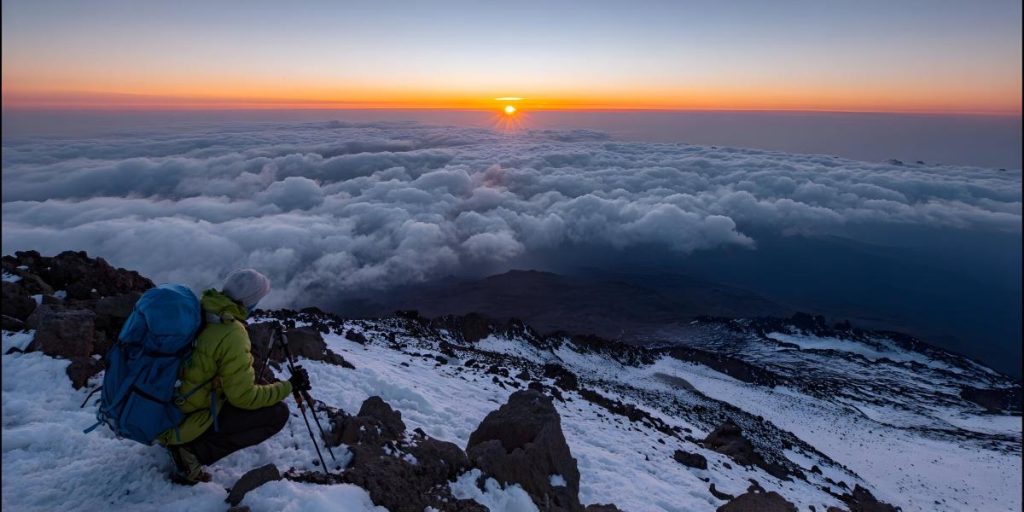
Mount Kilimanjaro is more than a trekking destination. It is a living ecosystem, a cultural landscape, and a vital source of livelihood for thousands of people working in Tanzania’s mountain tourism industry. Every expedition up its slopes is part of a much larger system that connects travellers, local communities, guides, porters, and the fragile alpine environment.
As interest in Kilimanjaro continues to grow, so too does the importance of climbing responsibly. Ethical tourism is no longer an optional extra – it is central to preserving the mountain’s future and ensuring that the people who make these journeys possible are treated fairly and respectfully.
Understanding how to travel responsibly helps ensure that your experience is not only memorable, but also meaningful in a broader sense.
What Ethical Climbing Really Means
Ethical climbing on Kilimanjaro goes beyond simply reaching the summit. It involves making conscious choices that respect the environment, support local communities, and ensure fair treatment of the entire mountain workforce.
At its core, ethical trekking focuses on three key areas:
- Fair treatment and welfare of porters and guides
- Environmental protection and waste management
- Support for local, licensed tourism operators
These principles shape every aspect of a responsible expedition, from the company you choose to how waste is handled on the mountain.
The Importance of Porter Welfare
One of the most critical aspects of responsible tourism on Kilimanjaro is porter welfare. Porters are the backbone of every expedition, carrying equipment, food, tents, and supplies across challenging terrain and high altitudes.
Without them, climbing Kilimanjaro would not be possible for most travellers. Yet historically, porters have often been underpaid or overburdened by unsafe loads.
Ethical operators ensure:
- Fair and transparent wages
- Reasonable weight limits for loads carried
- Proper clothing and mountain gear
- Access to nutritious food and clean water
- Safe sleeping conditions at camp
- Insurance and medical support where needed
When choosing a trekking company, porter welfare should be one of the first considerations, not an afterthought. Responsible tourism depends on ensuring that every member of the mountain team is treated with dignity and respect.
Why Local Expertise Matters
Climbing Kilimanjaro is not just a physical challenge; it is also a cultural experience. Local guides and crews bring invaluable knowledge of the mountain, its weather patterns, terrain, and traditions.
Working with experienced local teams ensures that:
- Safety decisions are informed by real mountain experience
- Cultural insights are shared throughout the journey
- Local economies directly benefit from tourism revenue
- Traditional knowledge of the mountain is preserved and respected
Climbing with licensed local guides supports responsible tourism in a very practical sense. It ensures that tourism income remains within Tanzania while also maintaining high standards of safety and professionalism on the mountain.
Environmental Responsibility on the Mountain
Kilimanjaro is a UNESCO World Heritage Site, and its ecosystems range from lush rainforest at the base to alpine desert near the summit. Each zone is fragile and sensitive to human impact.
Responsible climbing practices help protect this environment through:
Waste Management
All waste must be carried down the mountain. Ethical operators enforce strict ‘leave no trace’ policies, ensuring that campsites remain clean and undisturbed.
Minimal Impact Camping
Designated camping areas are used to reduce environmental damage. Fires are controlled, and cooking is managed carefully to avoid unnecessary impact on vegetation.
Conservation Awareness
Guides often educate climbers about the mountain’s ecosystems, helping travellers understand the importance of preserving biodiversity along the route.
Sustainable trekking ensures that future generations can continue to experience Kilimanjaro in its natural state.
The Role of Licensed Operators
Choosing a licensed and reputable operator is one of the most important steps in responsible trekking. Licensed companies are required to follow national park regulations and adhere to safety, environmental, and labour standards.
They typically ensure:
- Proper guide certification and training
- Regulated porter employment practices
- Compliance with park conservation rules
- Structured emergency response procedures
Unlicensed or low-cost operators may cut corners in areas that directly affect safety, welfare, and environmental protection.
Economic Impact and Local Communities
Tourism is a major source of income in Tanzania, particularly in regions surrounding Kilimanjaro. Responsible climbing helps distribute this income more fairly across local communities.
When travellers choose ethical operators, they contribute to:
- Employment opportunities for guides, cooks, and porters
- Local supply chains for food and equipment
- Community development initiatives
- Sustainable long-term tourism infrastructure
This creates a positive cycle where tourism supports livelihoods while preserving the natural environment that attracts visitors in the first place.
Group Size and Ethical Considerations
Group size can also influence the ethical footprint of a climb. Smaller groups generally allow for:
- Better guide-to-climber ratios
- More personalised attention
- Reduced environmental impact at camps
- Improved coordination of porter loads and logistics
Larger groups may be more efficient operationally, but require careful management to ensure that standards of care and environmental responsibility are maintained consistently.
Transparency and Traveller Responsibility
Ethical tourism is not solely the responsibility of operators. Travellers also play a role in making informed and responsible choices.
Before booking, it is worth asking:
- How are porters treated and compensated?
- What environmental policies are in place?
- Is the company locally owned or operated?
- Are guides properly licensed and trained?
Transparency from operators is a strong indicator of ethical practice. Companies that openly share information about their standards are often more trustworthy and accountable.
The Human Side of Kilimanjaro
Beyond logistics and regulations, Kilimanjaro is ultimately a shared human experience. The relationships formed between climbers and mountain crews are often one of the most memorable aspects of the journey.
Guides and porters are not simply service providers; they are storytellers, motivators, and guardians of the mountain. Their knowledge, encouragement, and resilience shape the rhythm of each ascent.
Recognising this human connection is a key part of travelling responsibly. It transforms the climb from a personal achievement into a shared journey.
Choosing an Ethical Approach to Your Climb
When planning your expedition, ethical considerations should be part of the decision-making process from the very beginning. This includes selecting operators who prioritise welfare, sustainability, and local employment.
Even small decisions, such as group size, route selection, or accommodation style, can influence the overall impact of your journey.
At Mauly Tours, our Kilimanjaro expeditions are designed around experienced local guiding teams, strong safety standards, and a clear commitment to responsible trekking practices. We carefully structure each journey to ensure climbers are fully supported on the mountain while also contributing meaningfully to local communities and porter welfare initiatives. Our curated approach reflects how ethical trekking can be combined with a well-managed summit experience on this Mount Kilimanjaro tour.
Keeping Your Climb Safe and Responsible
Climbing Kilimanjaro is a privilege. It is an opportunity to experience one of the world’s most iconic mountains while engaging with a landscape and culture that is both beautiful and fragile.
Ethical climbing ensures that this privilege is preserved. By supporting fair treatment of porters, protecting the environment, and choosing licensed local operators, travellers help safeguard the future of Kilimanjaro tourism.
Responsible travel is not about restriction, but about awareness. It allows climbers to reach the summit knowing that their journey has contributed positively to the mountain and the communities who call it home.
In this way, the experience becomes far more than a physical achievement. It becomes a meaningful exchange between people, place, and purpose.
FAQs
Why is ethical climbing important on Kilimanjaro?
It protects the environment, ensures fair treatment of porters, and supports local communities that depend on tourism.
What should I look for in an ethical tour operator?
Licensed guides, fair porter wages, environmental policies, and transparent business practices are key indicators.
How does tourism benefit local communities?
It provides employment, supports local businesses, and funds community development initiatives in surrounding regions.
Is Kilimanjaro affected by over-tourism?
While not overcrowded year-round, certain routes and seasons can experience high traffic, making responsible practices essential.
Can I climb Kilimanjaro in a more sustainable way?
Yes. Choosing ethical operators, respecting environmental guidelines, and supporting local teams all contribute to sustainable trekking.