


There is a moment on Mount Kilimanjaro, usually just after sunset, when the mountain becomes impossibly still. The last glow of daylight fades behind jagged ridgelines, the temperature drops sharply, and the sky fills with stars so bright they feel within reach. You retreat to your tent, the canvas gently rustling in the alpine breeze, knowing that tomorrow will bring another climb, another shift in landscape, another step closer to the summit.
Accommodation on Kilimanjaro is unlike any traditional travel experience. There are no hotels, no lodges perched halfway up the slopes, and certainly no luxury resorts. Instead, your ‘rooms’ are temporary, practical, and deeply connected to the environment around you. Knowing what to expect from accommodation on the mountain is essential for anyone preparing for the Mount Kilimanjaro summit climb experience.
The Nature of Accommodation on Kilimanjaro
Climbing Kilimanjaro is a fully supported trekking expedition, but it remains a wilderness experience. Accommodation is designed to be functional, safe, and adaptable to the changing conditions of the mountain.
For most routes, this means sleeping in tents at designated campsites. These camps are established along each trail and are strategically placed to support gradual acclimatisation. They are not random clearings but well-known stopping points used by climbers from around the world.
The simplicity of these accommodations is part of the experience. You are immersed in the environment, waking up to the sounds of wind, distant wildlife, and fellow climbers preparing for the day ahead.
Camping: The Standard Kilimanjaro Experience
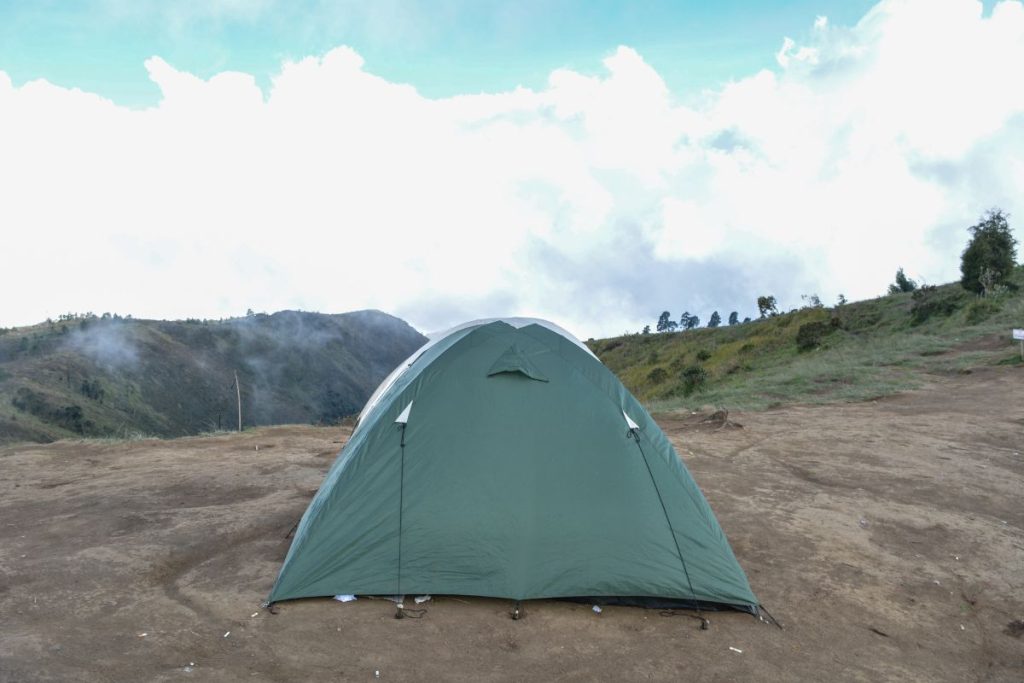
On the majority of Kilimanjaro’s trails, including Machame, Lemosho, Rongai, and Northern Circuit routes, accommodation consists of high-quality mountain tents.
What to Expect from the Tents
- Two-person dome tents are standard, offering enough space to sleep comfortably and store a small amount of gear.
- Tents are weather-resistant, designed to withstand wind, rain, and cold temperatures.
- Porters handle setup and breakdown, meaning your tent is ready when you arrive at camp.
Inside, the setup is simple: a sleeping mat, your sleeping bag, and your personal belongings. There is no furniture, no electricity, and no heating; just the essentials needed for rest and recovery.
Despite the simplicity, many climbers are surprised by how comfortable it feels. After a long day of trekking, the tent becomes a welcome refuge from the cold and wind outside.
Campsites and Facilities
Each campsite on Kilimanjaro is shared by multiple trekking groups and provides basic communal facilities, including:
Toilets
- Public toilets are available at most camps, though standards vary.
- Many guided groups provide private portable toilets, which significantly improve comfort and hygiene.
Dining Tents
One of the most appreciated aspects of a guided climb is the dedicated dining tent. This is where meals are served and where climbers gather to relax, eat, and discuss the day’s journey.
Inside, you’ll typically find:
- A table and chairs
- Warm meals prepared by a camp chef
- Hot drinks such as tea, coffee, or hot chocolate
- This communal space becomes the social heart of the camp, especially as temperatures drop in the evening.
Washing Facilities
Washing on Kilimanjaro is minimal. Porters provide bowls of warm water for basic cleaning, but showers are not available. Wet wipes and small towels become essential items for maintaining comfort and hygiene during the trek.
The Marangu Route: Hut Accommodation
The Marangu Route, often referred to as the ‘Coca-Cola Route’, is the exception to the camping rule. Instead of tents, climbers stay in mountain huts.
What the Huts Are Like
- Dormitory-style rooms with bunk beds
- Shared dining halls
- Basic communal toilets
While huts provide shelter from the elements, they are still far from luxurious. You’ll share space with other climbers, and the atmosphere can feel more crowded than the relative privacy of a tent.
Some travellers prefer huts for their solid structure and perceived comfort, while others favour tents for the quieter, more immersive experience. Choosing between them often comes down to personal preference and the different Kilimanjaro routes available.
Food and Dining on the Mountain
Accommodation on Kilimanjaro is closely tied to the food experience, as meals are prepared and served at each camp.
Climbers are often surprised by the quality and variety of food available, especially given the remote setting. Typical meals include:
- Hearty breakfasts with porridge, eggs, and toast
- Packed or hot lunches depending on the day’s schedule
- Three-course dinners with soup, main dishes, and dessert
The goal is to provide energy-rich, easily digestible meals to support the physical demands of the climb. Fresh fruits and vegetables are often included, especially in the early days of the trek.
As altitude increases, appetites can decrease, but maintaining nutrition is essential. Guides and chefs encourage regular eating and hydration to keep energy levels stable.
Comfort at Altitude
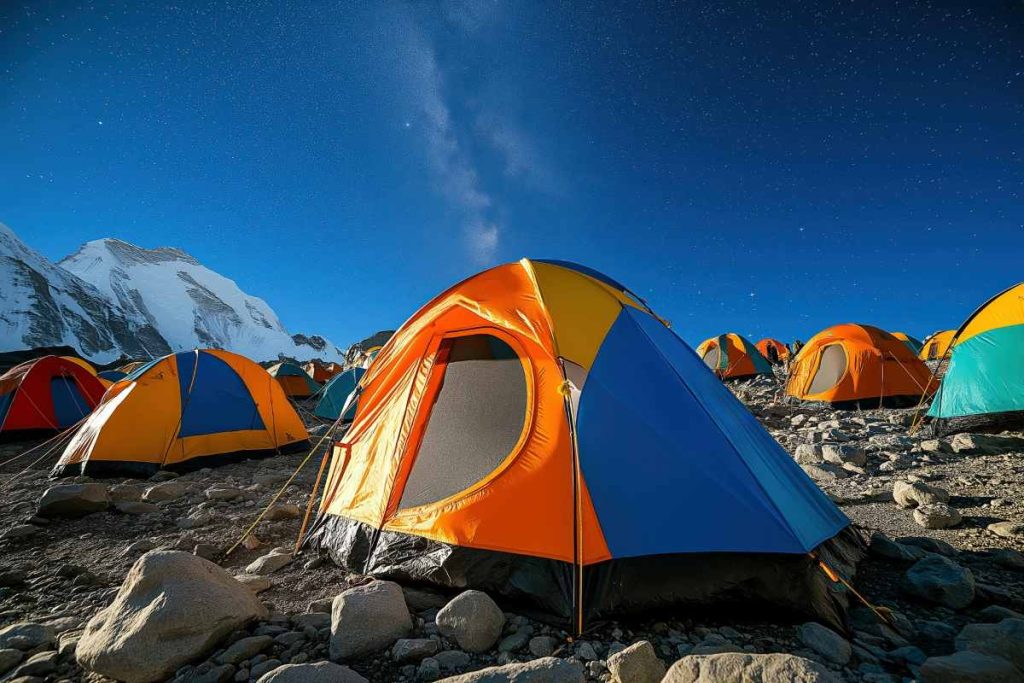
As you ascend Kilimanjaro, the concept of comfort changes. What feels basic at lower elevations becomes a luxury higher up.
At camps near the summit, such as Barafu or Kibo Hut, conditions are colder, windier, and more exposed. Temperatures can drop well below freezing, and sleep can become more challenging due to altitude.
Here, your tent (or hut) becomes more than just accommodation; it is your shelter against the elements. A good sleeping bag, proper layering, and mental preparation all contribute to your comfort and ability to rest.
The Role of the Support Team
One of the defining features of accommodation on Kilimanjaro is the support team that makes it all possible.
Porters, guides, and cooks work tirelessly behind the scenes to ensure that:
- Camps are set up before you arrive
- Meals are prepared and served on time
- Equipment is transported safely up the mountain
This level of support transforms what could be a harsh survival experience into a manageable and enjoyable trek. It allows climbers to focus on the journey itself, rather than the logistics of daily life on the mountain.
The presence of this team is also a reminder that climbing Kilimanjaro is not a solo endeavour – it is a shared experience built on teamwork and trust.
Packing for Camp Comfort
Knowing what accommodation is like helps you pack more effectively. A few key items can significantly improve your experience:
- Sleeping Bag: Rated for sub-zero temperatures
- Sleeping Mat (if not provided): Adds insulation and comfort
- Headlamp: Essential for navigating camp at night
- Earplugs: Helpful in busy camps or shared huts
- Wet Wipes and Toiletries: For maintaining hygiene
Packing thoughtfully ensures that your time in camp is as comfortable as possible, even in challenging conditions.
The Experience Beyond Comfort
Accommodation on Kilimanjaro is not about luxury. Instead, it’s about connection.
It’s about sharing stories in a dining tent while sipping hot tea, watching the clouds roll beneath you as you rest at camp, and falling asleep knowing you are surrounded by one of the most extraordinary landscapes on Earth.
Each campsite marks progress, not just in altitude but in experience. The rainforest gives way to moorland, then alpine desert, and finally the stark beauty of the summit zone. Your accommodation evolves with the mountain, reflecting the journey itself.
Choosing the Right Route for Your Experience
Your accommodation experience is shaped heavily by your chosen route. Some routes offer quieter camps, better acclimatisation, and more scenic variety, while others are more direct but busier.
Understanding the differences between the various options is key. Factors such as duration, crowd levels, and terrain all influence not only the climb itself but also the atmosphere at each campsite. This is why many climbers spend time researching the different Kilimanjaro routes before committing to their journey.
Preparing For Your Trek
Accommodation on Kilimanjaro is simple, purposeful, and deeply tied to the nature of the climb itself. It strips away the distractions of modern life and replaces them with something far more meaningful: a direct connection to the environment, the journey, and the people around you.
While you won’t find luxury in the traditional sense, you will discover a different kind of richness; one found in shared experiences, quiet moments under vast skies, and the steady rhythm of progress up the mountain.
By embracing this simplicity, climbers often find that the accommodation becomes one of the most memorable aspects of the journey. It is here, in the stillness of camp and the camaraderie of fellow travellers, that the true spirit of Kilimanjaro reveals itself.
FAQs
Are the tents provided or do I need to bring my own?
Tents are typically provided by your trekking operator, along with setup and breakdown by porters.
Are there showers on Kilimanjaro?
No. Washing is done using bowls of warm water provided at camp.
Is the Marangu Route more comfortable because of huts?
It offers solid shelter, but shared dormitories can feel crowded. Comfort depends on personal preference.
How cold does it get at night?
Temperatures can drop below freezing, especially at higher camps. A good sleeping bag is essential.
Can I charge my devices at camp?
There is no electricity on the mountain. Portable power banks are recommended.