


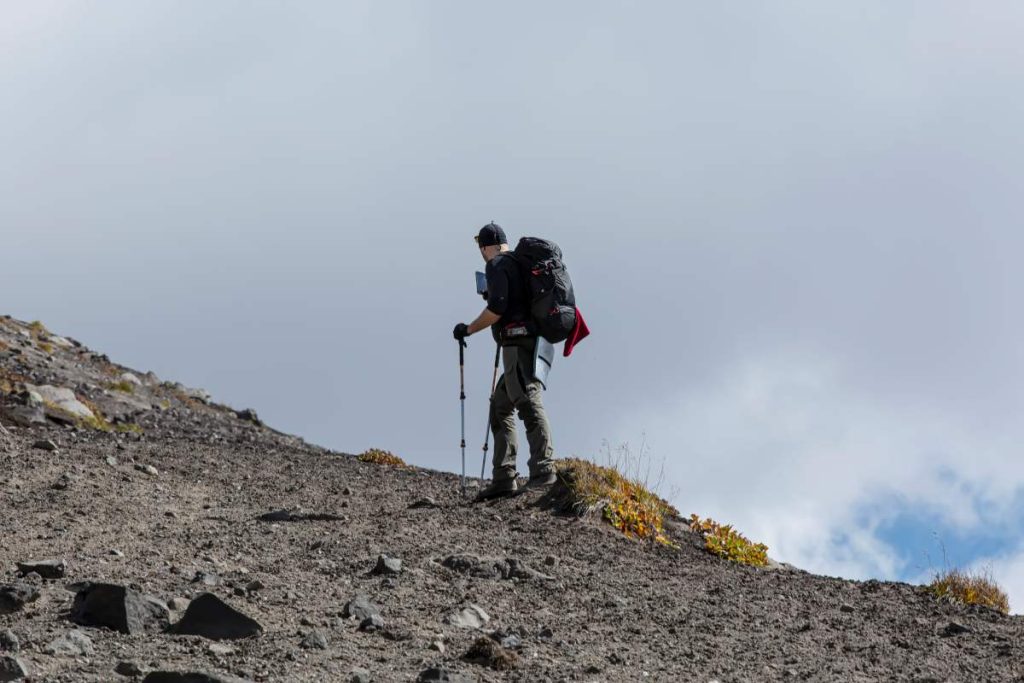
The first time you look up at Mount Kilimanjaro from the base, it’s impossible not to feel a mix of awe and apprehension. Its snow-capped summit towers over the savannah, a silent sentinel over Tanzania’s landscapes, and promises adventure, challenge, and breathtaking vistas. Even before they get there, the question on many minds is simple: can you climb Kilimanjaro without a guide?
At first glance, it might seem tempting. Kilimanjaro is a trekking mountain rather than a technical climb, so the idea of going it alone, with just a map and your boots, seems plausible. However, anyone who has studied the mountain or spoken with those who have attempted the ascent will quickly discover that a guide is far more than a luxury – it is a necessity for a safe and successful journey.
For those keen on learning more about the experience and preparation required, Mauly Tours offers a comprehensive guide to climbing Kilimanjaro that details every essential aspect of the trek.
Why a Guide is Essential
Climbing Kilimanjaro is not just about physical fitness. The real challenge lies in navigating altitude, weather, and logistics. Even the fittest hiker can struggle with acclimatisation, unpredictable rainstorms, or confusing trail junctions. Guides provide critical support in several key areas:
1. Safety and Health
Altitude sickness is a very real concern on Kilimanjaro. Experienced guides can recognise early symptoms, suggest adjustments in pace, and know when a descent is necessary. They carry oxygen and first-aid equipment, and their knowledge of emergency protocols can save lives. Without this support, minor issues can quickly become dangerous.
2. Navigation and Route Knowledge
The mountain has multiple routes (Machame, Lemosho, Rongai, and more) each with unique terrain, difficulty levels, and acclimatisation schedules. Guides know the safest and most scenic paths, when to make camp, and how to avoid the common pitfalls that can catch unprepared climbers off guard. Attempting the trek alone increases the risk of getting lost, encountering hazardous terrain, or missing the optimal schedule for altitude adaptation.
3. Logistical Support
A guided trek includes porters who carry heavy equipment, camp setup, and food preparation. This allows climbers to focus entirely on the experience and their health. Going solo would require carrying everything yourself, adding significant physical strain that could compromise acclimatisation and enjoyment.
Legal and Practical Requirements
Tanzania law requires climbers to hire licensed guides and porters for Kilimanjaro ascents. This regulation exists to protect both climbers and the mountain environment. Ignoring it is not only risky but could result in fines or being denied access to certain park areas.
Additionally, guides are responsible for ensuring that climbers adhere to park rules, including camping only in designated sites and practising Leave No Trace principles. This protects the fragile ecosystems along the trails, from the rainforest at lower elevations to the alpine desert near the summit.
The Benefits Beyond Safety
Hiring a guide isn’t just about risk management. A skilled guide transforms a challenging trek into a rich, memorable adventure by providing:
- Local Knowledge: Guides share fascinating insights about Kilimanjaro’s geology, flora, and fauna, as well as the culture of the Chagga people who live on its slopes.
- Morale and Motivation: Trekking at high altitude can be mentally taxing. Guides encourage climbers, set the pace, and help maintain morale through long days.
- Photography and Storytelling: Many guides know the best vantage points for sunrise, unique wildlife sightings, and moments that make your trek unforgettable.
In short, a guide enhances the experience in ways that go far beyond simply leading the way.
Could You Attempt It Alone?
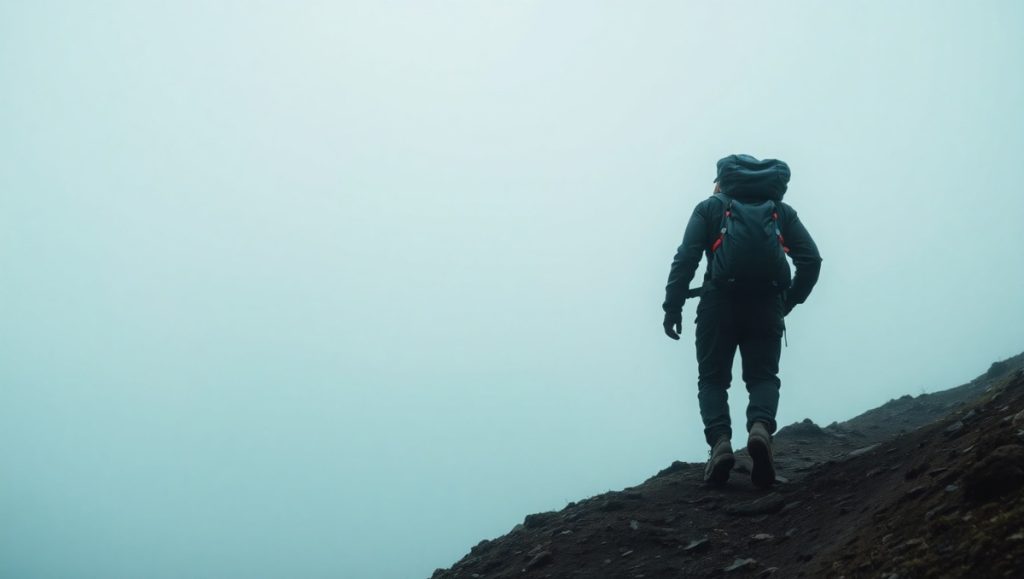
Technically, a fit and experienced hiker could attempt Kilimanjaro without a guide. But even then, the risks are substantial:
- Navigational errors or getting lost
- Mismanagement of altitude sickness or dehydration
- Carrying heavy loads that compromise stamina
- Legal penalties for failing to hire licensed personnel
For the vast majority of climbers, a guided trek is the only viable and safe option. Attempting it solo is an experiment that most would not recommend.
Preparing for a Guided Trek
For those planning the journey, preparation is key. Routes vary in length from 6 to 10 days, and acclimatisation schedules must be carefully followed to minimise the risk of altitude sickness. Equipment should be high-quality but lightweight, and climbers should train with long hikes at altitude whenever possible.
Our comprehensive guide to climbing Kilimanjaro covers all these points and more, offering advice on route choice, training, gear, and nutrition. Following these guidelines ensures climbers are ready to fully enjoy Tanzania’s most famous mountain trek.
The Ultimate Reward
Climbing Kilimanjaro with a guide allows you to focus on the journey itself: watching the sun cast golden hues over the plains, experiencing the transition from rainforest to alpine desert, and sharing moments with fellow climbers. Standing on Uhuru Peak at sunrise, the world spread out beneath you, is the culmination of preparation, teamwork, and respect for the mountain.
A guide ensures that your focus remains on the experience, safety, and enjoyment – not logistics or emergency scenarios. In the end, the summit is more than a physical achievement; it is a deeply personal, shared adventure, made possible by the knowledge, support, and encouragement of those who know the mountain best.
FAQs
Is it legal to climb Kilimanjaro without a guide?
No. Tanzanian law requires climbers to hire licensed guides and porters to protect both visitors and the mountain environment.
Do guides carry supplies and equipment?
Yes. Guides manage porters who carry tents, food, and gear, allowing climbers to conserve energy for the trek itself.
Can a guide help with altitude sickness?
Absolutely. Experienced guides monitor symptoms, adjust pacing, and can recommend medical interventions or descent if necessary.