


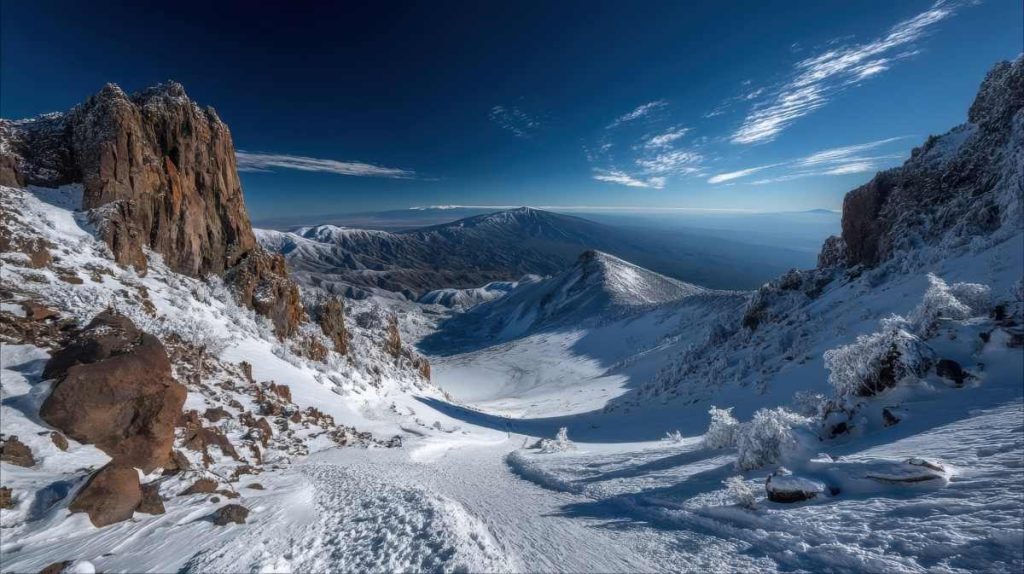
Standing at the base of Mount Kilimanjaro in Moshi, looking up at the snow-capped Kibo peak, it is difficult to wrap your head around the sheer verticality of what lies ahead. Kilimanjaro isn’t just the highest point in Africa; it is the tallest free-standing mountain in the world. This means it doesn’t sit in a range like the Himalayas or the Andes; it erupts directly from the Tanzanian plains, rising from roughly 800 metres to a staggering 5,895 metres (19,341 feet).
For anyone embarking on this world-famous African mountain trekking experience, the numbers are more than just trivia – they are the blueprint for your journey. Understanding the altitude isn’t just about knowing how high you are going, but understanding how your body interacts with the thinning air as you pass through five distinct ecological zones.
So – if you want to learn more about Kilimanjaro, you have to start with the science of the “Roof of Africa.”
The Five Ecological Zones
Climbing Kilimanjaro is often described as walking from the Equator to the Arctic in a matter of days. As the altitude increases, the temperature drops and the vegetation thins out. You begin in the Cultivation Zone (800m – 1,800m), where the rich volcanic soil supports coffee and banana plantations. It’s humid, lush, and full of life, serving as a gentle introduction before the real climbing begins.
Once you pass the park gates, you enter the Rainforest Zone (1,800m – 2,800m). This is the “lungs” of the mountain, often shrouded in mist and dripping with moisture. The air is still thick with oxygen here, but the steep forest trails provide the first real test for your legs. It’s an incredible sensory experience, but it’s also the last time you’ll see such dense greenery before the landscape starts to turn rugged and alien.
Moving into the Heather and Moorland
Above the clouds, around 2,800m to 4,000m, the forest gives way to the Heather and Moorland Zone. This is where many trekkers first begin to feel the altitude. The air is significantly drier, and the giant heathers and lobelias give the landscape a prehistoric feel. You are now above the “lowlands,” and the UV rays become much stronger as the atmosphere thins.
In this zone, the phrase “Pole Pole” (Slowly, Slowly) becomes your mantra. Your guides will insist on a pace that feels almost frustratingly slow, but there’s a biological reason for it. At 4,000 metres, there is roughly 40% less oxygen per breath than at sea level. Your body needs every bit of energy to begin producing more red blood cells to carry what little oxygen is available.
The High Alpine Desert
Crossing into the Alpine Desert (4,000m – 5,000m) feels like stepping onto another planet. Vegetation is almost non-existent, and the temperature fluctuations are extreme – blistering sun during the day and sub-zero temperatures at night. This is the “waiting room” for the summit. Most routes will converge at high camps like Barafu or Kibo Hut in this zone.
The altitude here is serious. You might experience a dull headache or a slight loss of appetite, which are common signs that your body is working hard to acclimatize. The landscape is a monochrome world of volcanic rock and dust, but it offers the most spectacular views of the summit cone. You are now looking up at the final 1,000 metres of vertical gain, the most challenging part of the entire trek.
The Arctic Summit Zone
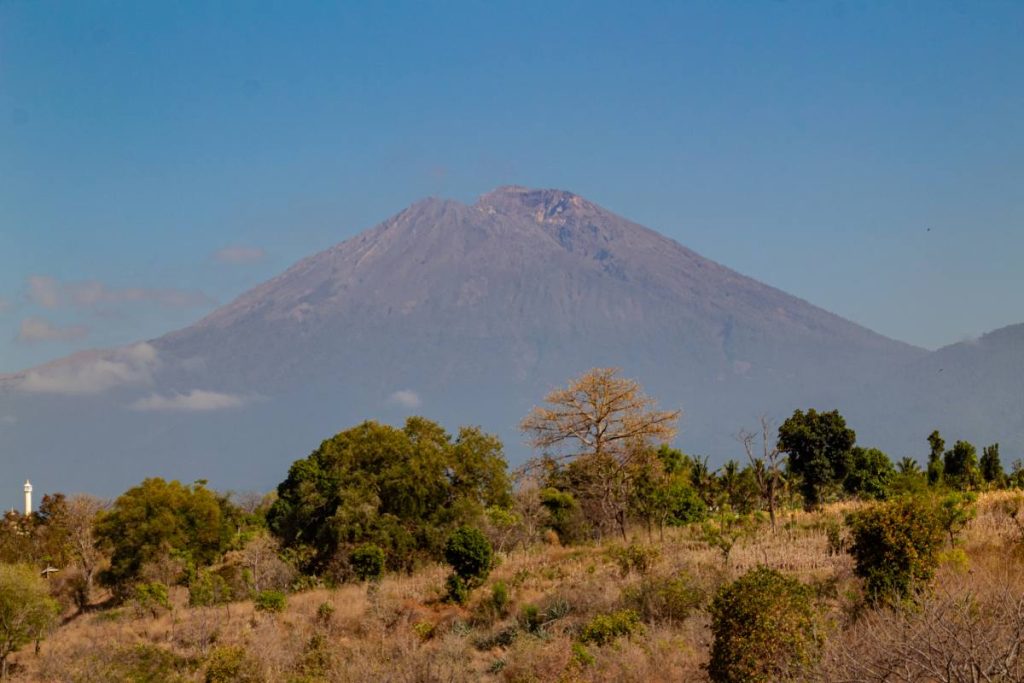
The final push takes you into the Arctic Zone (5,000m+). This is a world of permanent ice and glaciers, where the oxygen level is roughly half of what it is at sea level. The climb usually happens at night, in freezing temperatures, to ensure you reach the crater rim by sunrise. It is a test of mental fortitude as much as physical strength.
Reaching Uhuru Peak, the highest point, is a surreal experience. The “Uhuru” means freedom in Swahili, and standing there at 5,895 metres feels like a physical liberation from the earth below. Because the altitude is so extreme, you cannot stay at the summit for long – usually only 15 to 20 minutes – before beginning the rapid descent. The goal is to get your body back down to thicker air as quickly and safely as possible.
Physiology: Why Altitude Matters
It is a common mistake to think that “fitness” is the primary factor in reaching the summit. I’ve seen marathon runners struggle with the altitude while older, less “fit” trekkers cruise to the top. Altitude sickness (AMS) is egalitarian; it doesn’t care about your gym stats. It’s all about how efficiently your body adapts to the decreasing barometric pressure.
As you climb, the air pressure drops, meaning the oxygen molecules are more spread out. With every breath, your lungs are taking in fewer molecules, forcing your heart and lungs to work double-time. If you ascend too quickly, your body can’t keep up, leading to symptoms like nausea, dizziness, or more severe conditions. This is why longer routes, which allow for “climb high, sleep low” tactics, have much higher success rates.
The Importance of Acclimatization
The key to conquering Kilimanjaro’s altitude is time. Your body is an incredible machine, but it needs a few days to adjust its chemistry. This is why we often recommend 7 or 8-day routes over the shorter 5-day options. Those extra 24 to 48 hours in the Moorland or Alpine Desert zones can be the difference between a successful summit and a forced descent.
Drinking massive amounts of water – four to five litres a day – is also essential. Altitude acts as a diuretic, and dehydration mimics and worsens the symptoms of altitude sickness. By staying hydrated and maintaining a slow, steady pace, you give your red blood cell count the best chance to rise naturally. It’s a slow-motion battle of biology, but the reward at the top is worth every gasping breath.
FAQs
Is Kilimanjaro considered a “technical” climb because of its height?
No, Kilimanjaro is a “trekking mountain.” You don’t need ropes, ice axes, or technical mountaineering skills to reach Uhuru Peak. However, it is physically demanding due to the steepness and the extreme altitude.
What are the main symptoms of altitude sickness on the mountain?
Most climbers experience “Mild AMS,” which includes a headache, slight nausea, or trouble sleeping. These are usually manageable with hydration and pace. More serious symptoms like extreme breathlessness at rest or confusion require immediate descent.
Can I take medication to help with the altitude?
Many trekkers use Acetazolamide (Diamox) to help speed up the acclimatization process. It’s not a “cure,” but it can help prevent symptoms. You should always consult with your doctor before starting any medication for the trek.