


Already clued up on all you need to know about Tanzania? Let’s talk about Lake Manyara National Park. Firstly, it’s highly underrated; it often gets treated as a quick stopover between Arusha and the bigger-name parks like Ngorongoro and Serengeti. People spend half a day here, tick it off the list, and move on. Which is a shame, because Manyara is genuinely brilliant and deserves more attention than it typically gets.
This compact park (330 square kilometres, two-thirds of which is the lake itself) packs in an incredible variety of habitats and wildlife. You’ve got groundwater forest, acacia woodland, open grasslands, the alkaline lake, and the dramatic Rift Valley escarpment as a backdrop. The diversity is mental for such a small area.
What makes Manyara special is that it offers wildlife experiences you don’t get in Tanzania’s other parks. Tree-climbing lions, massive elephant herds, incredible birdlife, and scenery that’s completely different from the endless plains of the Serengeti or the enclosed crater of Ngorongoro.
If you’re planning a northern circuit safari, here’s everything worth knowing about Lake Manyara.
The Geography and Setting
Lake Manyara sits at the base of the Great Rift Valley escarpment, which rises 600 metres above the park and creates this dramatic western boundary. The setting is stunning – the escarpment provides a constant backdrop whilst you’re game driving.
The lake itself is alkaline and shallow, fluctuating dramatically with rainfall. During wet season it can expand to cover two-thirds of the park. During dry season it shrinks significantly, exposing mudflats and concentrating wildlife around remaining water sources.
The park’s compact size means you can cover most of it in a half-day game drive, though spending a full day (or even staying overnight) gives you way better wildlife encounters and appreciation for the habitat diversity.
The Famous Tree-Climbing Lions
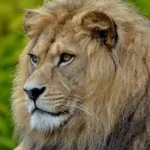
Manyara is one of the few places in Africa where lions regularly climb trees. Nobody’s entirely sure why they do it – theories include escaping biting flies, getting a better vantage point, or just because they can – but seeing a lion lounging in an acacia tree is properly surreal.
The behaviour isn’t guaranteed. Lions might be on the ground during your visit, and finding them in trees requires both luck and a good guide who knows where they hang out. But the possibility makes every game drive exciting.
The Manyara lions are habituated to vehicles and often remarkably relaxed, which allows for excellent viewing and photography when you do spot them.
Elephant Encounters
Manyara has some of the highest biomass density of elephants in the world. The park is famous for its large elephant herds – sometimes numbering 100+ individuals – that move through the groundwater forest and woodland areas.
These elephants are used to vehicles and often approach incredibly close. You can sit metres away from massive bulls or watch entire family groups with calves passing by. The intimacy of elephant encounters here is genuinely special.
The elephants are also known for occasionally pushing over trees, which creates open areas in the otherwise dense forest. Watching elephants interact, feed, and move through the forest is mesmerising and something you can spend hours observing.
Groundwater Forest
The northern section of the park contains dense groundwater forest fed by streams running down from the escarpment. This habitat is completely different from the open savannah most people associate with East African parks.
The forest is lush, green, and atmospheric. Huge fig trees create a canopy overhead, monkeys swing through the branches, and the whole area feels more like a tropical forest than typical African bush.
Baboons are everywhere in the forest – massive troops that forage on the ground and in the trees. Blue monkeys are common too, along with various antelope species that prefer forest habitat.
The forest provides relief from the heat and dust of open areas and offers completely different photographic opportunities – dappled light, dense vegetation, and animals adapted to forest life.
Birdlife is Exceptional
Manyara is a birding paradise. Over 400 bird species have been recorded, including massive flocks of flamingos when conditions are right on the alkaline lake.
The flamingos create these incredible pink masses on the water – sometimes tens of thousands of them. Pelicans, storks, cormorants, herons, and countless other waterbirds throng the lake shores and mudflats.
In the forest and woodland, you’ve got hornbills, barbets, kingfishers, and raptors including crowned eagles. The variety means even non-birders notice and appreciate the birdlife.
The best birding is during wet season (November-May) when migratory species are present and waterbird numbers peak.
Other Wildlife
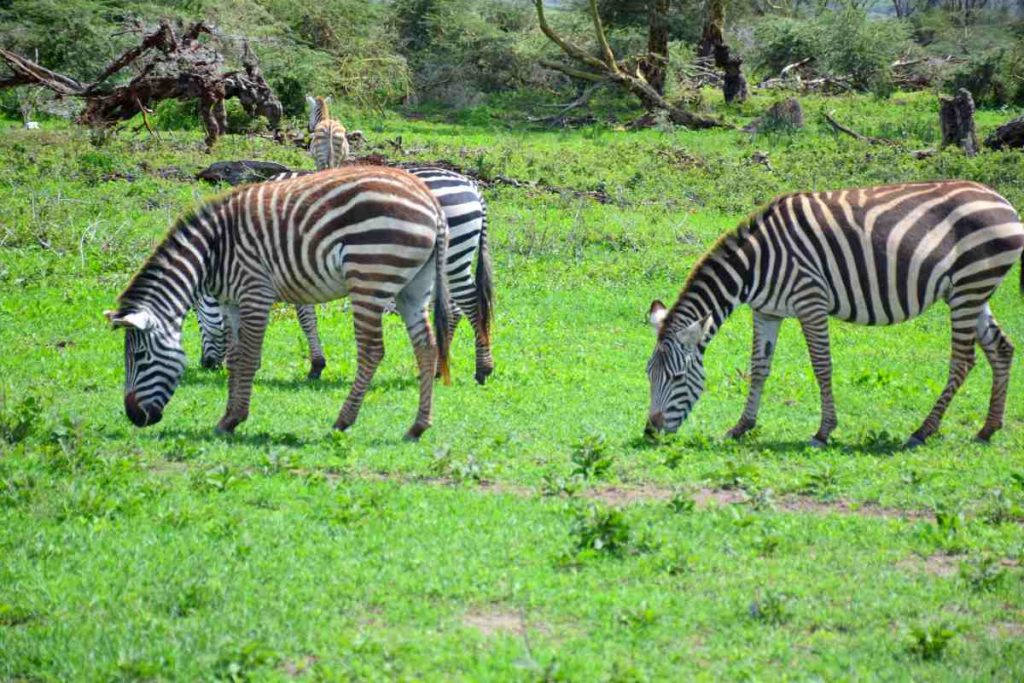
Beyond lions and elephants, Manyara hosts healthy populations of buffalo, giraffe, zebra, wildebeest, and various antelope species including impala and bushbuck.
Hippos congregate in pools and streams, often visible from game drive tracks. Warthogs trot around everywhere with their tails held comically upright. Baboons provide constant entertainment with their social dynamics and interactions.
Leopards are present but rarely seen due to the dense vegetation. Hyenas and jackals are spotted occasionally. The diversity isn’t as extreme as Ngorongoro, but there’s plenty to see.
Best Time to Visit
Dry season (June-October) offers easier wildlife spotting because vegetation is thinner and animals concentrate around water. The lake shrinks, exposing mudflats that attract massive numbers of waterbirds.
Wet season (November-May) means lush scenery, the forest is at its greenest, and bird numbers peak. The lake expands dramatically, and flamingos arrive in huge flocks. Roads can get muddy, but the park remains accessible.
Many safari itineraries visit Manyara early in the trip because it’s close to Arusha. This means people often see it during dry season, which is fine but misses the wet season spectacle. P.S. – you’ll want to opt for African wildlife tours with expert guides if you want the real experience.
How Long Should You Spend?
Most people do a half-day game drive, typically on the way from Arusha to the Serengeti or Ngorongoro. You’ll see wildlife and get a feel for the park, but it’s rushed.
A full day gives you time to explore different habitats properly, stop for a picnic lunch at one of the designated sites (with stunning views over the lake), and not feel like you’re constantly racing to the next park.
Staying overnight at a lodge in or near the park allows for early morning and late afternoon game drives when wildlife is most active, plus the option of night drives or walking safaris that day visitors can’t do.
Where to Stay
Options range from budget campsites to luxury lodges. Inside the park, there’s a public campsite and a couple of exclusive lodges. On the escarpment above the park, several lodges offer stunning views down over the lake and park.
Staying on the escarpment means incredible views and cooler temperatures, but you need to drive down into the park for game drives. Staying inside the park gives you immediate access but fewer accommodation options.
Many people stay in Karatu (between Manyara and Ngorongoro), which puts you within easy driving distance of both parks.
Activities Beyond Game Drives
Manyara offers activities you can’t do in many Tanzanian parks. Walking safaris with armed guides let you explore on foot, which provides completely different perspectives on the landscape and smaller wildlife you’d miss from a vehicle.
Night drives reveal nocturnal species – genets, civets, bushbabies, and hunting predators. The experience of being in the African bush after dark is genuinely thrilling.
Canoe safaris on the lake (when water levels permit) offer unique access to waterbirds and hippos from the water. Cultural visits to nearby villages provide insight into local Maasai and other communities.
Not all lodges or operators offer these activities, so check when booking if they interest you.
The Escarpment and Rift Valley
The Great Rift Valley escarpment is a geological marvel and provides stunning backdrops throughout the park. The escarpment rises dramatically, creating this natural wall on one side of the park.
Several viewpoints along the escarpment road offer spectacular panoramas over the lake and park. These are worth stopping at even if you’re not doing a full game drive.
The Rift Valley itself is one of Earth’s great geological features, and Manyara sits right in it. Understanding the geology adds context to what you’re seeing.
Photography Tips
The varied habitats and lighting conditions make Manyara excellent for photography but also challenging. Forest areas are dark and require higher ISO settings or faster lenses. Open areas provide good light but harsh midday sun.
Early morning and late afternoon offer the best light, as with any safari destination. The escarpment provides dramatic backgrounds for wildlife shots when you can frame animals against it.
Tree-climbing lions (if you’re lucky enough to spot them) create unique photographic opportunities you won’t get elsewhere. Same with elephants moving through the forest.
How It Compares to Other Parks
Manyara is completely different from the Serengeti’s vast plains or Ngorongoro’s enclosed crater. It’s more intimate, more varied in habitat, and less focused on big predator action.
Tarangire National Park (also in the northern circuit) is similar in some ways – both are compact parks with high elephant densities and varied habitats. Tarangire is larger and arguably better for elephants, but Manyara has the tree-climbing lions and more dramatic escarpment scenery.
If you’re choosing which parks to include in a limited-time safari, Manyara works brilliantly as part of a northern circuit alongside the bigger-name destinations. It provides habitat and wildlife diversity that complements rather than duplicates what you see elsewhere.
Common Misconceptions
The biggest misconception is that Manyara is just a quick tick-box stop not worth serious time. Whilst it’s true you can see highlights in half a day, spending more time reveals how special the park really is.
Another misconception is that the tree-climbing lions are guaranteed. They’re not – it’s a behaviour that happens but isn’t constant. Don’t be disappointed if you see lions on the ground instead.
Some people expect the lake to be the main feature, but much of the best wildlife viewing happens in the forest and woodland away from the lake itself.
Combining With Other Destinations
Manyara works perfectly as part of a northern circuit safari. The typical routing is Arusha → Tarangire → Manyara → Ngorongoro → Serengeti, though variations exist.
Each park offers different experiences, and Manyara’s compact size means it doesn’t require the time commitment of the larger parks. But that doesn’t mean it deserves less attention – just different attention.
The Bottom Line
Lake Manyara National Park deserves better than being treated as a quick stopover. The combination of diverse habitats, high elephant density, tree-climbing lions, exceptional birdlife, and stunning Rift Valley setting makes it genuinely special.
Yes, it’s smaller than Serengeti or Tarangire. Yes, the wildlife density isn’t as extreme as Ngorongoro. But Manyara offers experiences you can’t get elsewhere – the intimate forest setting, the variety of habitats within such a compact area, and the possibility of those surreal tree-climbing lion encounters.
Give it proper time rather than rushing through, and Manyara reveals itself as one of Tanzania’s most underrated and rewarding parks.