


If you’re planning a Tanzanian safari itinerary, you’ll see Ngorongoro Crater on pretty much every itinerary. And for good reason – it’s genuinely one of the most extraordinary wildlife destinations on the planet. Not just in Tanzania or Africa, but anywhere.
The crater is a collapsed volcanic caldera that’s created this massive natural amphitheatre, roughly 20 kilometres across and 600 metres deep. Inside is basically a self-contained ecosystem with ridiculous concentrations of wildlife – around 25,000 large animals living permanently in the crater.
What makes it special isn’t just the quantity of animals (though that’s impressive) but the fact that you can see the entire Big Five in a single day, along with countless other species, all against this dramatic backdrop of crater walls rising up around you. It’s like someone designed the perfect safari location from scratch.
Let’s break down exactly why Ngorongoro Crater deserves its reputation as a must-visit destination.
It’s a Natural Wonder
Before we even get to the wildlife, just the geology and scenery are spectacular. The crater formed about 2-3 million years ago when a massive volcano – probably as tall as Kilimanjaro – collapsed in on itself after a major eruption.
What’s left is this enormous circular crater with walls rising 400-600 metres above the floor. The floor itself is about 260 square kilometres of grasslands, forests, swamps, and a soda lake. It’s the world’s largest inactive, intact volcanic caldera.
Driving down into the crater is an experience in itself. The road descends through thick forest clinging to the crater walls, and as you emerge onto the floor, the scale hits you. You’re surrounded by these massive walls in every direction, creating this enclosed world that feels completely separate from everything outside.
The scenery is stunning even without animals – the crater walls, the changing light throughout the day, the different vegetation zones from forest to grassland to swamp. It’s just visually spectacular.
Wildlife Density Like Nowhere Else
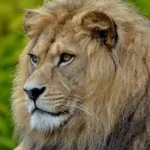
The crater has the highest density of predators in Africa. Lions, hyenas, leopards, cheetahs – they’re all here in numbers that you won’t find elsewhere.
Because the crater is enclosed by steep walls, most animals don’t migrate in and out seasonally like they do in other reserves. They live here year-round, which creates stable populations and consistent sightings. You’re not dealing with seasonal movements or wondering if the animals have migrated elsewhere.
On a single game drive, seeing 50+ lions isn’t unusual. Massive hyena clans numbering in the dozens. Multiple leopard sightings if you’re lucky. Cheetahs hunting on the open plains. The predator action is constant.
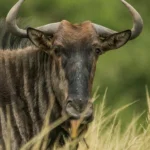
Large herbivores are equally abundant – wildebeest, zebra, buffalo, elephant. The crater is estimated to hold around 7,000 wildebeest, 4,000 zebra, 3,000 eland, and hundreds of elephants, along with gazelles, waterbuck, and countless other species.
The Big Five in One Day
Most safari destinations require multiple days and some luck to see all of the Big Five (lion, leopard, elephant, buffalo, rhino). In Ngorongoro, seeing them all in a single morning is genuinely achievable.
Lions are almost guaranteed – the crater has multiple prides and they’re often visible in daylight, not just at dawn and dusk like in other areas. Buffalo roam in large herds across the grasslands. Elephants are common, particularly near the forest areas and swamps.
Leopards are trickier but present, often spotted in the trees near the Lerai Forest. And critically, Ngorongoro is one of the best places in East Africa to see black rhinos. The crater has a small but relatively stable population, and whilst sightings aren’t guaranteed, your chances here are way better than most places.
Getting all five in a few hours is proper bucket-list stuff that would take weeks in other parks.
Year-Round Reliability
Many safari destinations have distinct wet and dry seasons that dramatically affect wildlife viewing. In Ngorongoro, the enclosed nature of the crater means animals are present year-round.
Wet season (November-May) means lush green scenery and newborn animals. Dry season (June-October) offers easier wildlife spotting as vegetation is thinner and animals concentrate around water sources. But unlike migration-dependent areas like the Serengeti, you’re not gambling on whether animals will actually be there.
This reliability makes trip planning easier and reduces the risk of disappointing safaris due to bad timing.
Birdlife is Exceptional
Beyond the big mammals, Ngorongoro is brilliant for birdwatching. Over 500 bird species have been recorded in the conservation area, with the crater itself hosting flamingos, pelicans, storks, and countless waterfowl around Lake Magadi.
The flamingos create these incredible pink masses on the lake when they’re present in large numbers. Ostriches stride across the grasslands. Raptors including eagles and vultures patrol the skies.
Even if you’re not specifically a birder, the variety and visibility of birdlife adds another dimension to the experience.
It’s Part of a Larger Conservation Area
The crater is the centrepiece, but the Ngorongoro Conservation Area spans over 8,000 square kilometres and includes multiple ecosystems worth exploring.
Olduvai Gorge, one of the most important paleoanthropological sites in the world, sits within the conservation area. This is where the Leakey family made discoveries that fundamentally changed our understanding of human evolution.
The Empakaai Crater, while less famous than Ngorongoro, offers stunning hiking opportunities and a deep soda lake surrounded by flamingos. Olmoti Crater has waterfalls and beautiful scenery.
The conservation area also includes Maasai pastoralists who live and graze their cattle here – it’s one of the few places in Tanzania where wildlife and traditional pastoralism coexist.
Photographic Opportunities are Unreal
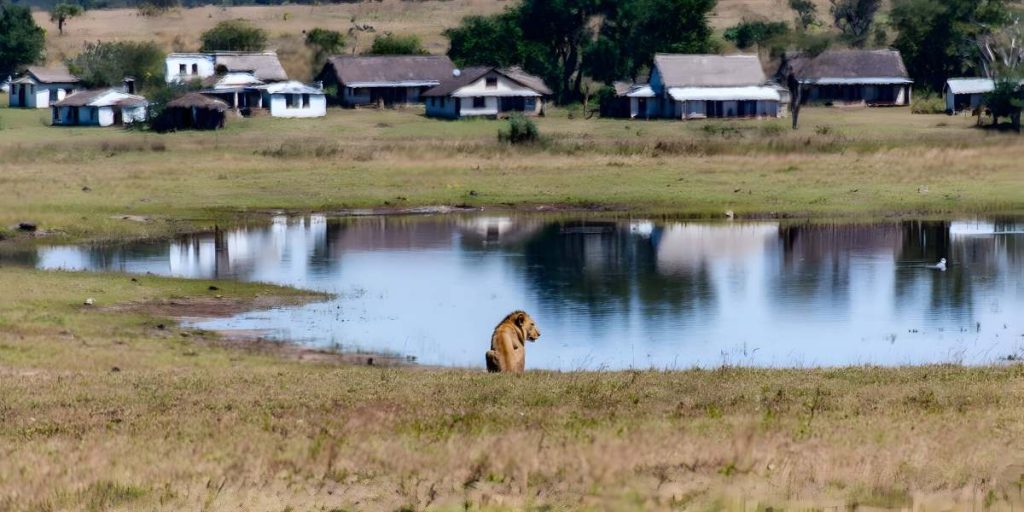
The combination of dense wildlife, dramatic scenery, and varied landscapes makes Ngorongoro a photographer’s dream.
The crater walls provide a stunning backdrop for wildlife shots. The open grasslands allow for clean, unobstructed photos of animals. The varied lighting throughout the day – early morning mist, harsh midday sun, golden afternoon light – creates different moods and opportunities.
Predator interactions happen frequently because the population density is so high. Hunts, territorial disputes, pride dynamics – there’s always something happening. And because the crater is relatively compact, you’re often close enough for excellent shots without needing massive telephoto lenses (though they help).
Even amateur photographers come away with incredible images because the wildlife density and scenery make it hard to take a bad photo.
It Combines Well With Other Destinations
Ngorongoro sits geographically between the Serengeti and other northern Tanzania highlights. Most safari itineraries include it as part of a northern circuit that hits multiple parks.
A typical route might be: Arusha → Tarangire → Ngorongoro → Serengeti, or variations on that theme. Each park offers different landscapes and wildlife experiences, but Ngorongoro is consistently the highlight for many people because of the density and drama.
The drive from the crater rim down to the Serengeti takes you through the conservation area and offers stunning views even during transit.
The Maasai Cultural Element
Unlike national parks where human habitation isn’t allowed, the Ngorongoro Conservation Area permits Maasai communities to live and graze livestock. You’ll see Maasai herders with their cattle sharing the landscape with wildlife.
This adds cultural context that pure wildlife areas don’t have. Some safari itineraries include visits to Maasai villages where you can learn about traditional lifestyles, though these vary significantly in authenticity and whether they feel exploitative.
The conservation area model here attempts to balance wildlife protection with traditional land use rights, which is an interesting contrast to the exclusionary approach of national parks.
Practical Considerations
Game drives in the crater happen on the crater floor, accessed via steep roads down the crater walls. Most lodges sit on the crater rim, offering spectacular views but requiring early morning descents to start game drives.
The crater gets busy, especially during peak season (July-October and December-February). You’ll share the floor with multiple other vehicles, which can detract from the wilderness experience but doesn’t significantly impact wildlife viewing.
Entry fees are substantial because Ngorongoro is one of Tanzania’s premium destinations. Crater floor time is also limited to six hours per vehicle to reduce environmental impact and crowding.
Despite the crowds and costs, the wildlife density and reliability make it absolutely worth it for most visitors.
Best Time to Visit
Dry season (June-October) offers the easiest wildlife spotting because vegetation is shorter and animals concentrate around water sources. Roads are also in better condition.
Wet season (November-May, with peaks in November-December and March-May) means lush scenery, migratory birds, and newborn animals. It’s greener and more photogenic, though some roads can be challenging.
Shoulder seasons (June and October) often provide the best balance – decent weather, good wildlife viewing, and fewer crowds than peak July-September.
Why It’s Different from Serengeti
People often wonder whether to prioritise Ngorongoro or Serengeti. They’re different experiences. The Serengeti is vast, wild, and focused on seasonal migrations. Ngorongoro is compact, concentrated, and reliable year-round.
Ideally, you do both – they complement each other brilliantly. But if forced to choose, Ngorongoro offers higher wildlife density in a more dramatic setting, whilst Serengeti provides that endless wilderness feeling and migration spectacle (when timed right).
The Bottom Line
Ngorongoro Crater delivers one of the most concentrated, reliable, and visually spectacular wildlife experiences on the planet. The combination of dramatic scenery, extraordinary wildlife density, and the genuine possibility of seeing all Big Five in a single morning makes it absolutely worthy of its must-visit reputation.
Yes, it’s expensive. Yes, it can be crowded during peak season. But the payoff in terms of wildlife encounters and scenery is genuinely exceptional.
If you only do one safari destination in Tanzania, you could do worse than spending your time exploring diverse ecosystems on guided safaris that include Ngorongoro as a centrepiece. It’s truly that good.