


There are plenty of fun things to do in Zanzibar that don’t involve sunbathing on the beach and drinking cocktails (though that’s fine too). The island’s surrounded by some of the clearest, warmest water you’ll find anywhere, with incredible marine life, coral reefs, and conditions perfect for pretty much every water sport you can think of.
Whether you’re after adrenaline-pumping activities or gentle exploration of underwater worlds, Zanzibar delivers. The Indian Ocean here is warm year-round, visibility is excellent, and the variety of marine ecosystems means you can try different water sports in completely different environments.
Some activities are available at every beach resort. Others require heading to specific locations where conditions are ideal. Either way, if you’re even remotely interested in water sports, Zanzibar is genuinely one of the best places in the world to try them.
Kitesurfing (Paje Beach)
Paje has become one of Africa’s premier kitesurfing destinations, and once you see the conditions here, you understand why. Consistent trade winds from June to March, shallow turquoise lagoons, warm water, and a massive tidal range that creates perfect flat-water conditions.
The shallow lagoon at low tide is ideal for beginners – if you fall (and you will fall), you’re landing in knee-deep water rather than deep ocean. Advanced kiters can head out to the reef where conditions get more challenging.
Loads of kite schools operate in Paje, offering everything from complete beginner courses to advanced coaching. Equipment rental is readily available if you’ve got experience but didn’t bring your own gear.
The kitesurfing scene in Paje is properly international. You’ll meet kiters from all over the world, and the beach has that laid-back surf town vibe with beach bars and guesthouses catering specifically to kiters.
Wind season runs roughly June to September and December to March, with July and August being the most consistent. Outside these periods, wind can be hit or miss.
Scuba Diving
Zanzibar’s diving is world-class. The reefs around the island are healthy, diverse, and teeming with marine life. You’ve got everything from gentle drift dives suitable for beginners to challenging deep dives for experienced divers.
Mnemba Atoll is probably the most famous dive site – a marine conservation area with pristine coral, incredible visibility, and regular sightings of dolphins, turtles, rays, and reef sharks. The diversity is mental – hundreds of fish species, colourful corals, and if you’re lucky, whale sharks during migration season.
The west coast around Stone Town has several wrecks to explore, which makes for completely different diving experiences. Leven Bank and other offshore sites offer drift diving and the chance to see bigger pelagic species.
Dive centres operate all over the island, particularly in Nungwi, Kendwa, Stone Town, and Paje. PADI courses are available from beginner Open Water right through to professional levels. If you’ve never dived before, Zanzibar is a brilliant place to learn – warm water, good visibility, and experienced instructors.
The diving is good year-round, though visibility is best during dry season (June-October). Water temperature hovers around 25-28°C year-round, so you only need a thin wetsuit or even just a rash guard.
Snorkelling
If diving sounds too intense, snorkelling in Zanzibar is genuinely excellent. You don’t need to go deep to see incredible marine life – much of the best stuff is in shallow water near the reefs.
Mnemba Island has brilliant snorkelling right off the beach. The reef is close to shore and packed with tropical fish, sea turtles, and colourful corals. You can book snorkelling trips from the mainland that take you around the island’s reefs.
Prison Island (Changuu Island) combines snorkelling with visiting the giant tortoises. The snorkelling here is decent, though not quite as spectacular as Mnemba. Still worth doing as part of a half-day trip from Stone Town.
Many beaches on the east coast have accessible reefs where you can snorkel independently. Matemwe, Nungwi, and Kendwa all have good spots within swimming distance of the beach. Just bring your own gear or rent from local shops.
Snorkelling trips often include multiple stops, equipment, guides, and sometimes lunch. Prices are reasonable and the guides know where to find turtles and the best coral formations.
Stand-Up Paddleboarding (SUP)
SUP has blown up in Zanzibar over the past few years. The calm, clear water and stunning scenery make it absolutely perfect for paddleboarding.
The east coast lagoons at high tide are ideal for SUP – flat, calm water with incredible visibility. You can paddle over coral reefs and see everything below you. It’s like snorkelling whilst standing up.
Sunset SUP sessions on the west coast are magical. The water goes completely calm in the evening, and paddling out as the sun sets over the ocean is genuinely one of the most peaceful experiences you can have in Zanzibar.
Most beach resorts and water sports centres offer SUP rental and lessons. It’s easy to learn the basics in about twenty minutes, and once you’re up, it’s genuinely relaxing. Good core workout too, though you barely notice because you’re too busy looking at the scenery.
Some operators offer SUP yoga – doing yoga poses on the board while floating on the ocean. It’s harder than normal yoga (balance is tricky on a floating board) but brilliantly zen.
Kayaking and Canoeing
Kayaking offers a different way to explore Zanzibar’s coastline and mangrove forests. It’s quieter and more peaceful than motorised water sports, and you can access shallow areas and narrow channels that boats can’t reach.
Mangrove kayaking tours through the forests near Jozani are brilliant. You paddle through narrow channels surrounded by mangrove roots, seeing crabs, birds, and occasionally monkeys. The guides explain the ecosystem and why mangroves matter for coastal protection.
Ocean kayaking along the beaches lets you cover more distance than swimming and access remote coves. Some operators offer sunrise kayaking trips where you paddle out to watch the sun come up over the ocean.
Double kayaks work well if you’re going with a partner and want to share the effort. Singles give you more control and a better workout.
Deep Sea Fishing
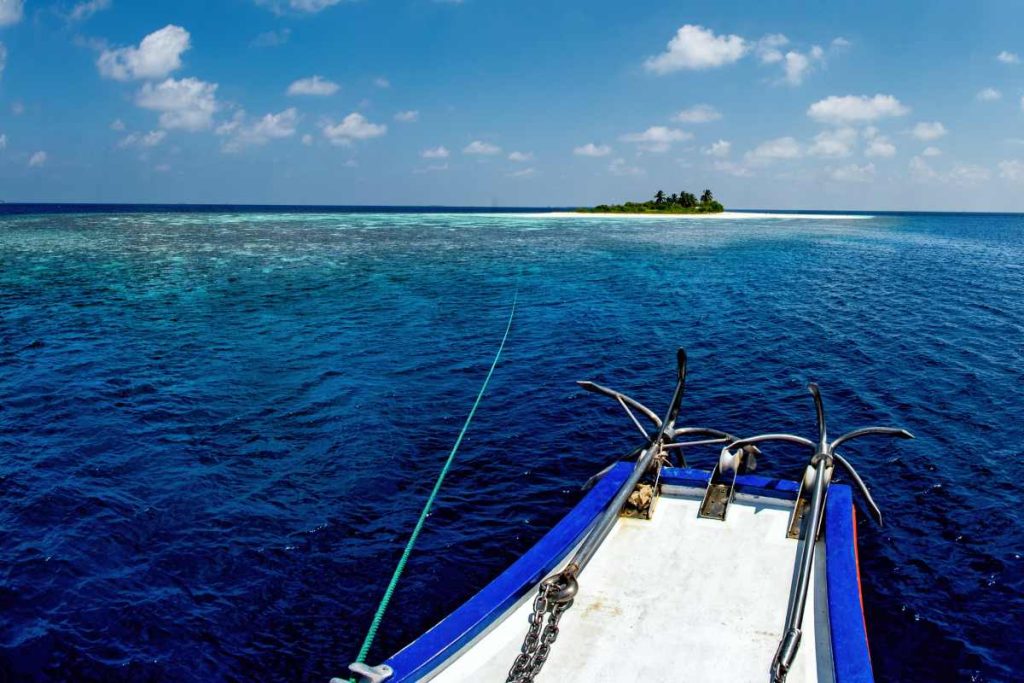
The waters around Zanzibar are brilliant for game fishing. Marlin, sailfish, tuna, dorado, wahoo – the variety is excellent and the fishing is productive year-round, though peak season is October to March.
Charter boats operate from Nungwi and Stone Town, offering half-day and full-day trips. Experienced crews know the best spots and provide all equipment. Most operate on a catch-and-release basis for bigger fish like marlin, though you can keep smaller fish for eating.
Even if you’ve never fished before, the crews teach you what you need to know. Hooking a marlin or sailfish is genuinely thrilling – these fish fight hard and landing one takes skill and stamina.
Full-day trips usually include lunch and drinks. Going in a group splits costs and makes it more affordable.
Dhow Sailing
Dhows are traditional wooden sailing boats that have been used along the East African coast for centuries. Sailing on a dhow is less about adrenaline and more about experiencing traditional maritime culture whilst enjoying beautiful scenery.
Sunset dhow cruises are massively popular – you sail along the coast as the sun sets, usually with drinks and snacks included. It’s romantic, relaxing, and the views are stunning.
Some operators offer longer dhow trips that include snorkelling stops or visits to nearby islands. You sail between spots, snorkel the reefs, have lunch on a beach, then sail back. Brilliant way to spend a day.
The dhows are gorgeous boats – hand-built from local wood with traditional triangular sails. They’re not fast, but that’s the point. It’s about slowing down and enjoying the journey.
Swimming with Dolphins
The waters around Kizimkazi on the southern tip of Zanzibar are home to pods of bottlenose and spinner dolphins. Swimming with wild dolphins in their natural environment is genuinely special when done responsibly.
Early morning trips (leaving around 6am) have the best chance of dolphin encounters. The boats take you out to where the pods typically feed and rest, and if dolphins are spotted, you can slip into the water to swim near them.
This works best with responsible operators who follow proper protocols – keeping distance, limiting group sizes, and not chasing or harassing the dolphins. The dolphins are wild and not guaranteed, which is how it should be.
Some days you get incredible encounters with dolphins swimming right past you. Other days you see them from the boat but they’re not interested in interacting. That’s the nature of wildlife experiences.
The trip usually includes snorkelling at a nearby reef and sometimes a visit to Kizimkazi village to see the old mosque.
When to Visit for Water Sports
Dry season (June-October) offers the most consistent conditions for most water sports. Calm seas, good visibility, and for kitesurfing specifically, reliable winds.
Kite season peaks July-September and December-March. Outside these periods, wind is less consistent. Diving and snorkelling are good year-round, though visibility is best June-October.
Water temperature stays warm (25-28°C) throughout the year, so you don’t need thick wetsuits or special gear.
Safety Considerations
Always use reputable operators with proper safety equipment and insurance. Check that dive centres are PADI or SSI certified. For water sports like kitesurfing, make sure instructors are IKO certified.
Sun protection is crucial – the reflection off water intensifies UV exposure. Reef-safe sunscreen protects both you and the coral. Stay hydrated, especially during active sports in the tropical heat.
Respect the ocean and local conditions. Listen to guides about currents, tides, and weather. Don’t push your limits just because you’re on holiday.
Combining Activities
Most water sports centres and beach resorts offer multiple activities, so you can try different things throughout your stay. Many do package deals that work out cheaper than booking activities separately.
The Bottom Line
Zanzibar offers genuinely world-class conditions for water sports – warm, clear water, healthy marine ecosystems, and infrastructure that makes activities accessible whether you’re a complete beginner or experienced athlete.
From the adrenaline of kitesurfing to the peace of paddleboarding at sunset, from exploring underwater worlds to sailing on traditional dhows, there’s something for everyone on Tanzania’s turquoise coast experience. The variety means you can try multiple activities and find what you love, or just do one thing really well.
The combination of perfect conditions, experienced operators, and stunning natural beauty makes Zanzibar one of the best water sports destinations you’ll find anywhere.