There are many different Kilimanjaro climbing routes, but did you also know there are different ways to approach your own climb? When you’re planning to climb Kilimanjaro, one of the first decisions you’ll face is whether to join a group trek or book a private climb. Both options get you to the summit, but the experience is completely different depending on which you choose.
Group climbs mean trekking alongside strangers who become trail companions. Private climbs give you control over every aspect of the trek – pace, schedule, who you’re with. Neither is objectively better – it’s about what works for your personality, budget, and priorities.
Some people thrive in group settings and love the camaraderie. Others find groups stressful and prefer the flexibility of private treks. Let’s break down the actual differences so you can figure out which suits you.
What Actually Counts as a Group Climb?
Group climbs involve joining other trekkers (typically 8-15 people) who’ve all booked the same route and departure date. You might know some of them if you’ve organised it with friends, but usually you’re meeting strangers who happen to be climbing at the same time.
The tour company handles all logistics, assigns guides and porters to the group, and everyone follows the same itinerary at the same pace. You camp together, eat together, and trek together for the entire journey.
Groups are typically scheduled for specific departure dates throughout the year, particularly during peak seasons when demand is highest. You book onto an existing group departure rather than creating a custom schedule.
What Makes a Private Climb Different?
Private climbs mean the trek is just you and whoever you choose to bring – your partner, family, friends, or even solo if you fancy it. The guides, porters, and support staff work exclusively for your group.
You get total control over departure dates, route choice, pace, and schedule. Want to spend an extra day at a particular camp? No problem. Need to start two days later than standard departures? Sorted. Prefer to trek at a faster or slower pace than average? Entirely up to you.
Everything is tailored to your group’s needs and preferences rather than accommodating the varying abilities and wishes of strangers.
Cost Differences (The Big One)
This is usually the deciding factor for most people. Group climbs are significantly cheaper than private climbs because costs are shared across multiple trekkers.
Group climbs typically cost £1,500-£3,000 per person depending on route, duration, and company. Private climbs for a solo trekker can run £3,000-£6,000+ because you’re covering all the guide and porter costs yourself.
But here’s where it gets interesting: the more people in your private group, the more cost-effective it becomes. A private climb for four people might work out similar per-person cost to a group climb, whilst still giving you all the flexibility and control of a private trek.
If budget is your primary concern and you’re climbing solo or with just one other person, group climbs make financial sense. If you’re travelling with several people and value flexibility, private climbs become much more viable.
Pace and Flexibility
Group climbs move at a pace that works for the group as a whole, which usually means the pace of the slowest person. This can be frustrating if you’re fitter and want to move faster, or stressful if you’re struggling to keep up.
The schedule is fixed – you leave camp when the group leaves, you stop when the group stops, and you reach the next camp when everyone reaches it together. No flexibility for individual needs or preferences.
Private climbs let you set your own pace entirely. Feeling strong and want to push a bit harder? Go for it. Need more time to acclimatise or just prefer going slowly? That’s fine too. The guides adapt to your group’s pace rather than you adapting to theirs.
You can also adjust the daily schedule. Want to sleep in an extra hour? Start earlier to avoid midday heat? Take a longer lunch break? All possible with private climbs.
Social Dynamics
This is where personal preference really matters. Some people love the social aspect of group climbs – you’re sharing this massive challenge with others, bonding over shared struggles, supporting each other through tough moments.
Group climbs create instant community. You’re meeting people from different countries and backgrounds who’ve all signed up for the same mad adventure. Friendships formed on Kilimanjaro often last years. There’s something special about summiting with a group of people who’ve become mates over the course of the trek.
But group dynamics can also go badly. Personality clashes happen. Some people are annoying. You might end up stuck with someone who complains constantly or dominates conversations. You can’t escape them because you’re literally walking together for a week.
Private climbs avoid all that drama. You’re only with people you’ve chosen to be with. If you’re climbing with your partner or close friends, you’ve got that entire week together focused on this shared experience without outside interference.
Solo private climbers get a different kind of experience – it’s meditative and introspective. You’re not managing social dynamics or making conversation. Just you, the mountain, and your guides.
Privacy and Personal Space
In group climbs, you’re sharing tents (unless you pay for single tent supplements), eating with everyone, and spending pretty much all day every day with the same people. If you need alone time to recharge, that’s difficult.
Mealtimes become group events. Summit night involves coordinating 10-15 people getting ready in the dark. There’s always someone around.
Private climbs give you control over your social environment. You can chat with your companions when you want and have quiet time when you need it. Mealtimes are intimate rather than crowded. You’re not managing other people’s energy or moods.
Guide Attention and Support
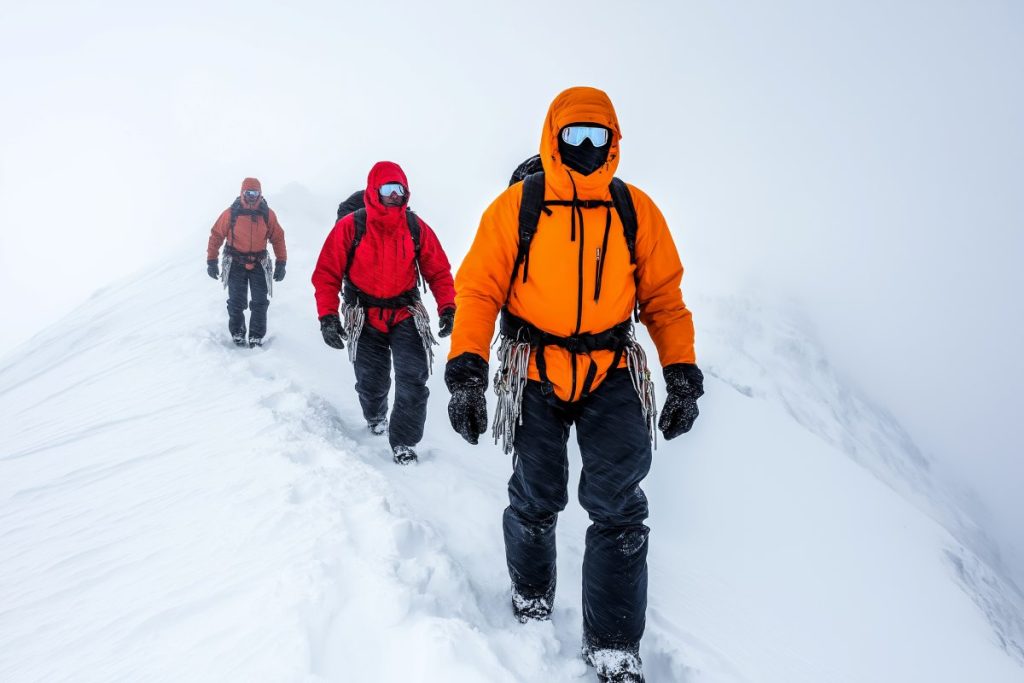
On group climbs, guides are managing multiple clients with varying needs, abilities, and concerns. They need to keep everyone safe and moving, which means their attention is divided.
If you’re struggling, you’ll get support, but the guide also needs to attend to others. Questions get answered but maybe not as thoroughly as you’d like. The guide-to-client ratio matters here – smaller groups generally get better individual attention.
Private climbs mean guides are focused entirely on you and your group. All their expertise, attention, and support is directed at ensuring your success. You can ask endless questions, get detailed explanations, and receive personalised guidance throughout.
This makes a real difference if you’re nervous, need extra reassurance, or have specific concerns. The guide can tailor their approach to what you need rather than what works for the group average.
Scheduling and Route Choice
Group climbs operate on fixed schedules during peak season. If you want to climb in July or September, you’ll find plenty of group departures. But if your schedule requires climbing in April or November (shoulder seasons), group options might be limited.
Private climbs can depart any day of the year, giving you total scheduling flexibility. This is brilliant if you have inflexible work commitments, want to avoid peak season crowds, or need to coordinate with other travel plans.
Route choice can also be affected. Popular routes like Machame and Marangu have loads of group departures. Less-travelled routes like Lemosho or Rongai might only have occasional group climbs scheduled, whereas private climbs can tackle any route any time.
Acclimatisation Needs
Some people need more time to acclimatise than others. If you’re particularly concerned about altitude or have struggled with it before, you might want a longer route with extra acclimatisation days.
Group climbs follow standard itineraries, typically 6-7 days depending on route. Private climbs let you add extra days if you want more acclimatisation time, potentially improving your summit chances.
Special Requirements
Private climbs are essential if you have dietary restrictions, health conditions requiring special arrangements, or accessibility needs. It’s much easier to accommodate specific requirements when you’re not coordinating with a larger group.
Older climbers, families with teenagers, or anyone with particular concerns often prefer private climbs where everything can be tailored to their situation.
Solo Travellers
If you’re climbing solo, group climbs make perfect sense. You’ll meet other solo travellers, share costs, and have built-in companionship for the trek. Many solo travellers specifically choose group climbs for the social aspect.
Solo private climbs are brilliant if you want solitude and introspection, but they’re significantly more expensive and you’ll be mostly interacting with your guides rather than peer trekkers.
When Private Makes Most Sense
Private climbs work best for couples or small groups who want complete control over their experience, families climbing together, people with inflexible schedules who need specific departure dates, trekkers with health or dietary requirements needing special accommodation, or anyone who values privacy and personalised attention over cost savings.
When Group Makes Most Sense
Group climbs work well for solo travellers wanting to meet others, budget-conscious trekkers prioritising cost savings, people who enjoy group dynamics and shared experiences, flexible travellers who can align with scheduled departure dates, or anyone comfortable with standard itineraries and shared facilities.
The Hybrid Option
Some companies offer small group climbs (4-6 people) that bridge the gap between large groups and fully private treks. You get some of the cost benefits of group travel whilst maintaining more intimacy and flexibility than large groups offer.
These work brilliantly if you’re somewhere in between – you want to meet others but don’t fancy huge groups, or you want cost savings but also personalised attention.
Making Your Decision
Think about what matters most to you. If budget is paramount and you’re comfortable with strangers, groups work brilliantly. If flexibility and control are worth paying extra for, go private.
Consider your social preferences honestly. Do you energise around people or need alone time? Do you make friends easily or prefer smaller circles? There’s no right answer – just what works for you.
The journey to Africa’s highest summit is incredible regardless of which option you choose. Both can lead to successful summits and amazing experiences.
The Bottom Line
Group climbs offer affordability, built-in community, and scheduled departures that make planning straightforward. Private climbs provide flexibility, personalised attention, and control over every aspect of your trek.
Neither is objectively better – they’re different experiences suited to different people and situations. Be honest about your priorities, personality, and budget. The right choice is the one that aligns with what you actually want from this adventure.