


Packing for Kilimanjaro is a bit of a logistical puzzle. You aren’t just packing for a hike; you’re packing for five different countries’ worth of weather, all crammed into a single week. One afternoon you’ll be trekking through a humid, tropical rainforest where the mud is ankle-deep, and forty-eight hours later, you’ll be standing in an alpine desert where the wind feels like it’s blowing straight off a glacier.
The stakes are high because once you leave the gate for your iconic high-altitude climbing adventure in Tanzania, there are no shops. You can’t nip out to buy a forgotten pair of gloves. Every item in your duffel bag needs to earn its keep.
So whether you’re tackling the shorter different Kilimanjaro routes or the longer ones, your gear is essentially your life-support system.
The Golden Rule: Layering
If you take away nothing else from this guide, let it be this: No cotton. Cotton is a disaster on a mountain. It absorbs sweat, stays wet, and then freezes against your skin when the sun goes down, which is a fast track to hypothermia. Instead, you want a “three-layer system” consisting of base layers, mid-layers, and an outer shell.
Your base layer should be a high-quality moisture-wicking fabric – merino wool is the gold standard here because it’s warm and doesn’t smell quite as bad after four days without a shower. Your mid-layer is for insulation (think a heavy fleece or a “puffy” down jacket), and your outer shell must be a breathable, waterproof material like Gore-Tex. This setup allows you to add or shed layers as the temperature fluctuates between +30°C and -15°C.
Footwear: Your Most Important Choice
Your boots are the only thing between you and the volcanic scree of the summit. They need to be waterproof, have excellent ankle support, and – most importantly – be thoroughly broken in. Never, under any circumstances, show up in Tanzania with brand-new boots. I’ve seen more dreams end because of a nasty heel blister on day two than because of the altitude itself.
Alongside your boots, you’ll want a pair of “camp shoes.” These can be simple trainers or even a pair of Crocs. After eight hours in heavy boots, being able to let your feet breathe around the campfire is pure bliss. Don’t forget high-quality wool socks (at least 5 pairs) and a pair of gaiters to keep the dust and scree from sneaking into your boots on the descent.
The Two-Bag System
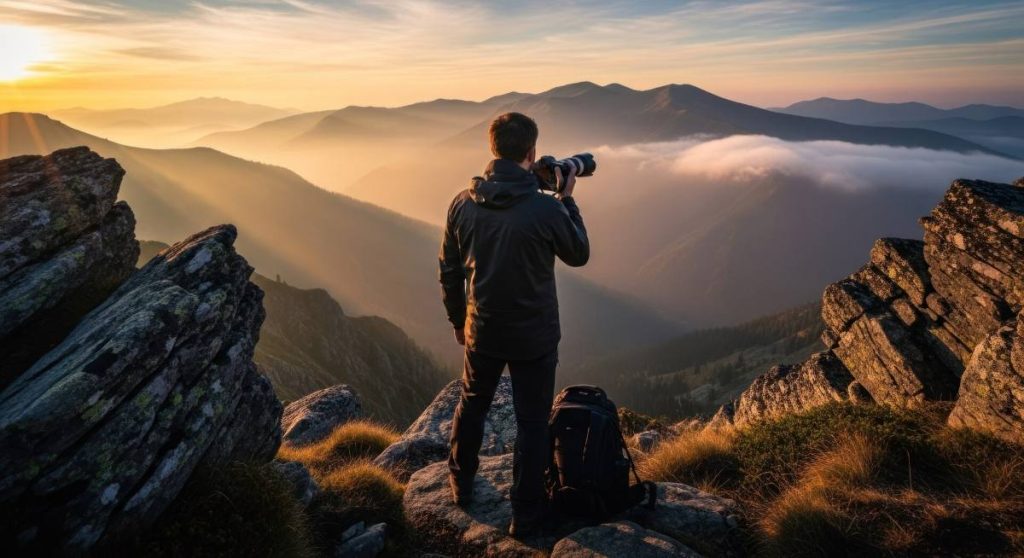
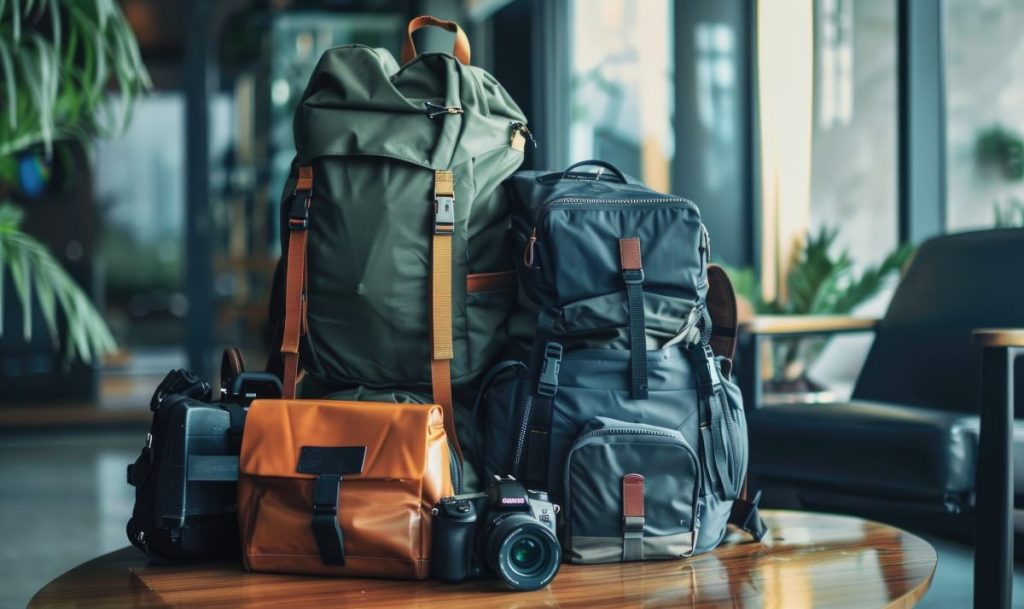
On Kilimanjaro, you don’t carry all your own gear. A team of incredible porters will carry your main duffel bag (limited to 15kg), while you carry a smaller daypack (30–35 litres). Your daypack should contain everything you might need between camps: water, snacks, waterproofs, suncream, and your camera.
It’s a bit of an art to pack your daypack so it’s not too heavy but still contains the essentials. I always recommend using waterproof “stuff sacks” inside both bags. Even if your duffel is waterproof, a tropical downpour has a way of finding its way into your spare dry socks if they aren’t double-protected. There is nothing quite as miserable as arriving at camp only to find your sleeping bag is damp.
Summit Night Essentials
Summit night is a different beast entirely. You’ll likely start your climb around midnight in the pitch black. A high-quality headlamp with spare batteries is non-negotiable – keep the batteries inside your jacket close to your body, as the extreme cold can drain them in minutes. You’ll also need heavy-duty insulated gloves or mittens; liners alone won’t cut it when you’re standing at 5,000 metres.
I also suggest a “buff” or neck gaiter to protect your face from the biting wind and the fine volcanic dust. For hydration, remember that the tube of your Camelbak will freeze. Many trekkers switch to insulated Nalgene bottles on summit night, carrying them upside down in their packs (since water freezes from the top down). A small sip of lukewarm water is a huge morale booster when you’re struggling through the final zig-zags.
Health and Personal Care
High-altitude sun is incredibly fierce, so you’ll need a high-SPF sunblock and lip balm. Even on a cloudy day, the UV rays at 4,000 metres will fry your skin in minutes. For the “facilities,” bring your own toilet paper and a small bottle of hand sanitiser. Most reputable operators provide private toilet tents, but having your own supplies is just good practice.
A small personal first-aid kit is also a must. It should include plenty of blister plasters (Compeed is a lifesaver), ibuprofen for altitude headaches, and some rehydration salts. I also find that “comfort foods” are vital. When the altitude kills your appetite, a favourite chocolate bar or a bag of salty nuts can give you that last-minute energy boost needed to push for the crater rim.
The Tech and Extras
You’re going to want to document the journey, but remember that there are no charging points on the mountain. A high-capacity power bank is essential. Solar chargers can work, but they are often unreliable if it’s cloudy or dusty. Keep your phone and camera in an inside pocket; the cold is the enemy of lithium batteries.
Finally, don’t forget your “sanity” items. A deck of cards, a Kindle, or a journal can be the best part of your evening in the mess tent. Climbing Kilimanjaro involves a lot of downtime in the afternoons once you reach camp. Having a way to disconnect and relax will help your mental state just as much as a good pair of boots helps your physical one.
FAQs
Can I rent gear in Moshi or Arusha?
Yes, almost all the heavy or bulky items – like sleeping bags, down jackets, and trekking poles – can be rented locally. This is a great option if you don’t want to invest in expensive high-altitude gear that you might only use once.
How much water do I need to carry each day?
You should aim to drink 3–4 litres of water per day to help with acclimatisation. You’ll carry this in your daypack, usually a mix of a 2-litre hydration bladder and a 1-litre bottle. Your porters will provide filtered water at every camp
Is it really that cold at the summit?
Yes. While the rainforest might be 25°C, the summit can easily drop to -15°C with wind chill. You need to be prepared for both extremes, often within the same 24-hour period.