

Every year, an awe-inspiring spectacle unfolds across the plains of Tanzania. Over a million wildebeest, accompanied by hundreds of thousands of zebras and gazelles, embark on a vast, cyclical journey through the Serengeti and beyond. This is called the Great Migration – one of the planet’s most extraordinary wildlife phenomena, a living, breathing drama that captivates visitors from around the world.
For those planning an African wildlife safari adventure, understanding the rhythms, timing, and logistics of the Great Migration is essential. This way, you can experience Africa’s wildlife in all its glory – and without sacrificing your personal safety.
What is the Great Migration?
The Great Migration is not a single event but a continuous movement driven by the search for fresh grazing and water. It involves over 1.5 million wildebeest, 200,000 zebras, and countless gazelles, moving in a roughly circular pattern between Tanzania’s Serengeti National Park and Kenya’s Maasai Mara.
The migration is dictated by the rains. As the plains of the southern Serengeti dry, the herds move north, following the nutrient-rich grasses. When the rains fall in the north, they circle back south. Each stage of the journey offers a different wildlife experience, from calving in the lush southern plains to dramatic river crossings in the north.
Timing and Locations
While the migration is continuous, certain months provide unique highlights:
- December to March: The herds congregate in the southern Serengeti, particularly the Ndutu and Ngorongoro Conservation Area. This period is calving season, when thousands of wildebeest calves are born daily, attracting predators like lions, cheetahs, and hyenas. For photographers and wildlife enthusiasts, it’s a period of raw drama and abundance.
- April to May: The long rains make some areas of the park more challenging to traverse, but they also bring lush green pastures and active wildlife.
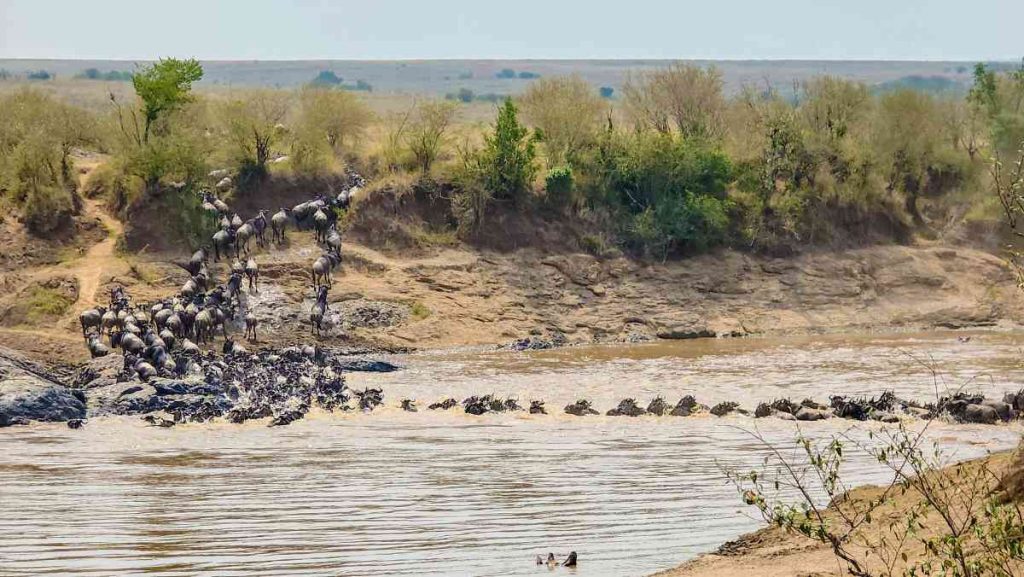
- June to October: The herds move north, approaching the Grumeti and Mara rivers. This stage features the iconic river crossings, where wildebeest leap into crocodile-infested waters – a scene that is both thrilling and perilous.
- November: Short rains push the animals back towards the southern plains, completing the annual cycle.
Tracking the Great Migration in Serengeti National Park will help you plan the best time to witness the particular moments of the migration that most appeal to you.
River Crossings: Nature’s High-Stakes Drama
Perhaps the most famous aspect of the Great Migration is the river crossings. Watching thousands of wildebeest navigate crocodile-filled rivers is an unforgettable spectacle. The tension is palpable as the herd hesitates at the water’s edge, predators lurking just beneath the surface. When they plunge in, hooves pound the water, dust rises from the riverbanks, and life-and-death drama unfolds before your eyes.
These crossings are not guaranteed daily occurrences; they depend on rainfall, herd movement, and river conditions. Guided expertise is crucial for witnessing them safely and from the best vantage points.
The Predators: A Natural Balance
While the wildebeest and zebra are the stars of the show, the predators are integral to the drama. Lions stalk the calving plains, leopards hide in riverine forests, and cheetahs exploit the open savannah for high-speed chases. Hyenas, jackals, and even African wild dogs hunt in packs, taking advantage of the migration’s abundance.
Observing these interactions requires patience, keen observation, and guidance from experienced trackers. Guides help interpret behaviours, point out elusive species, and ensure that wildlife encounters are both safe and respectful.
Planning Your Safari
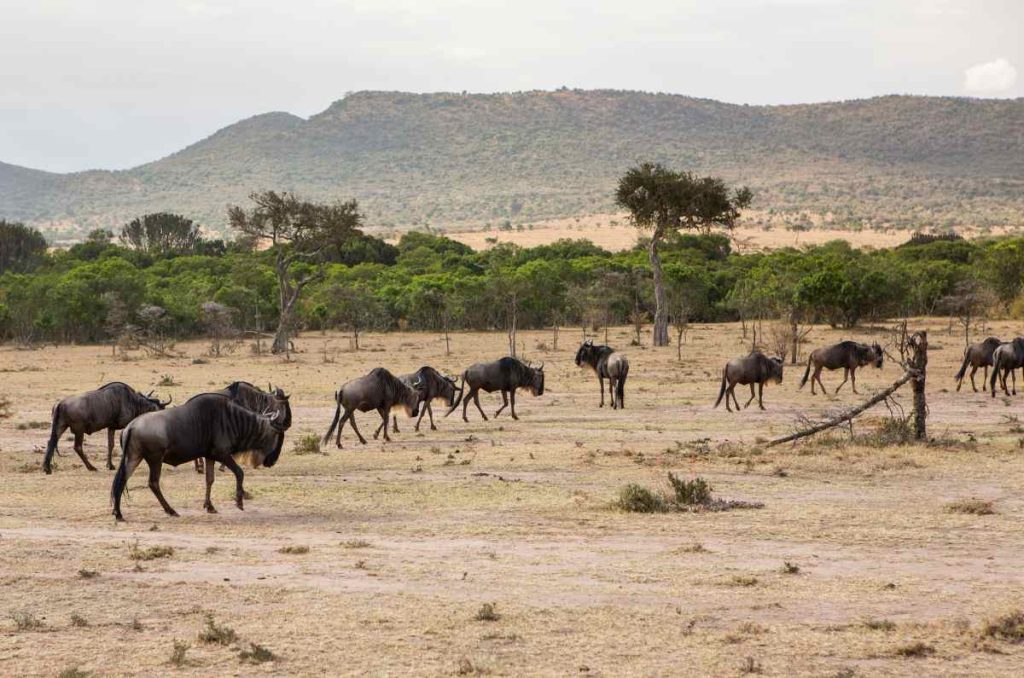
Witnessing the Great Migration requires more than just being in the Serengeti at the right time. Logistics, accommodations, and itinerary planning are key:
- Choose the Right Route: Different regions of the Serengeti highlight different aspects of the migration. Southern circuits are ideal for calving season, while northern circuits offer the chance to see dramatic river crossings.
- Time of Day: Wildlife is often most active at dawn and dusk. Safari drives scheduled during these “crepuscular” hours provide the best opportunities for sightings.
- Guided Expertise: Experienced guides ensure you are in the right place at the right time, safely navigating the park’s terrain while enhancing the experience with their knowledge of animal behaviour and habitat.
By planning carefully, travellers maximise their chances of witnessing multiple facets of this awe-inspiring phenomenon.
What to Expect on a Migration Safari
A Great Migration safari is more than spotting wildebeest. You can expect to see a full spectrum of East Africa’s wildlife: elephants grazing in the woodlands, giraffes browsing acacia trees, hippos wallowing in rivers, and birds of every colour flitting across the plains.
Patience is key. Sometimes a predator stalks in silence, and the action takes hours to unfold; other times, the herd moves in breathtaking synchrony, dust rising in golden clouds. Photographers, naturalists, and casual travellers alike will find moments that linger in memory long after the safari ends.
Tips for Travellers
- Pack Appropriately: Lightweight clothing for daytime, warmer layers for early morning and evening drives, and good binoculars or cameras are essential.
- Stay Hydrated: Long days in the sun can be draining. Drink plenty of water and take rest breaks.
- Be Patient: Wildlife doesn’t follow a schedule. Some of the most memorable encounters come from quiet observation.
- Respect the Environment: Follow park rules, maintain a safe distance from animals, and minimise impact on the fragile ecosystem.
FAQs
When is the best time to see the Great Migration?
The timing depends on the aspect you want to see: calving season in the south (December–March) or river crossings in the north (June–October).
Do I need a guide to see the migration?
Yes, it’s highly recommended. Guides ensure safety, maximise sightings, and provide expert insights into animal behaviour.
Can I see predators during the migration?
Absolutely. Predators follow the herds closely, providing extraordinary wildlife encounters.
Is the migration guaranteed?
Nature doesn’t follow a strict timetable. While the migration occurs every year, specific sightings, like river crossings, are influenced by rainfall and herd movements.