

The Serengeti’s one of those rare places that actually lives up to the hype. Endless plains, massive wildlife populations, the Great Migration – it’s not marketing exaggeration, it genuinely delivers.
But it’s also vast, complex, and visiting without proper understanding means you might miss the best bits entirely. Here’s what you actually need to know.
Understanding The Size And Scale
The Serengeti ecosystem covers roughly 30,000 square kilometres. The national park itself is about 14,750 square kilometres – bigger than some countries, and absolutely massive by any park standards.
This matters because you can’t just “do” the Serengeti in a day or two and see everything. Different areas have completely different landscapes, wildlife concentrations, and optimal visiting times. Where you go and when makes an enormous difference to what you’ll experience.
First-time visitors often underestimate the distances. Driving from the southern plains to the northern Serengeti takes 4-5 hours on rough roads. You’re not popping between areas casually – you need to plan which regions to focus on based on your time and interests.
The Different Regions
Seronera (Central Serengeti) is the most accessible and consistently good for wildlife year-round. It’s got permanent water sources that attract animals regardless of season, kopjes (rocky outcrops) where lions hang out, and the highest concentration of leopards anywhere in Africa.
The central area works brilliantly if you’ve only got limited time or you’re visiting outside the main migration seasons. You’ll see big cats, elephants, giraffes, buffalo, hippos – the classic safari animals are reliably present.
Southern Plains and Ndutu are where the wildebeest calving happens (typically late January through February). Half a million wildebeest calves are born within a 2-3 week period, which attracts predators in ridiculous numbers. If you time it right, the southern plains during calving season is probably the best wildlife spectacle on the planet.
Outside calving season, the southern plains can be relatively quiet since many animals follow the migration elsewhere. The landscape’s stunning though – vast open grasslands that give you that iconic “endless Serengeti” feeling.
Western Corridor runs along the Grumeti River and comes alive during June-July when the migration passes through. The river crossings here aren’t as famous as the Mara River crossings further north, but they’re often less crowded and equally dramatic. Massive Nile crocodiles wait in the river whilst wildebeest decide whether to risk the crossing.
The Western Corridor also has good resident wildlife populations and interesting riverine forest habitats you don’t see in other parts of the park.
Northern Serengeti is where the famous Mara River crossings happen, typically July through October. This is what most people picture when they think “Great Migration” – thousands of wildebeest plunging into crocodile-infested waters whilst lions wait on the banks.
The northern region is the most remote and least developed part of the park. Fewer tourists make it up here, which means better, more exclusive game viewing if you’re willing to make the journey.
The Great Migration Explained
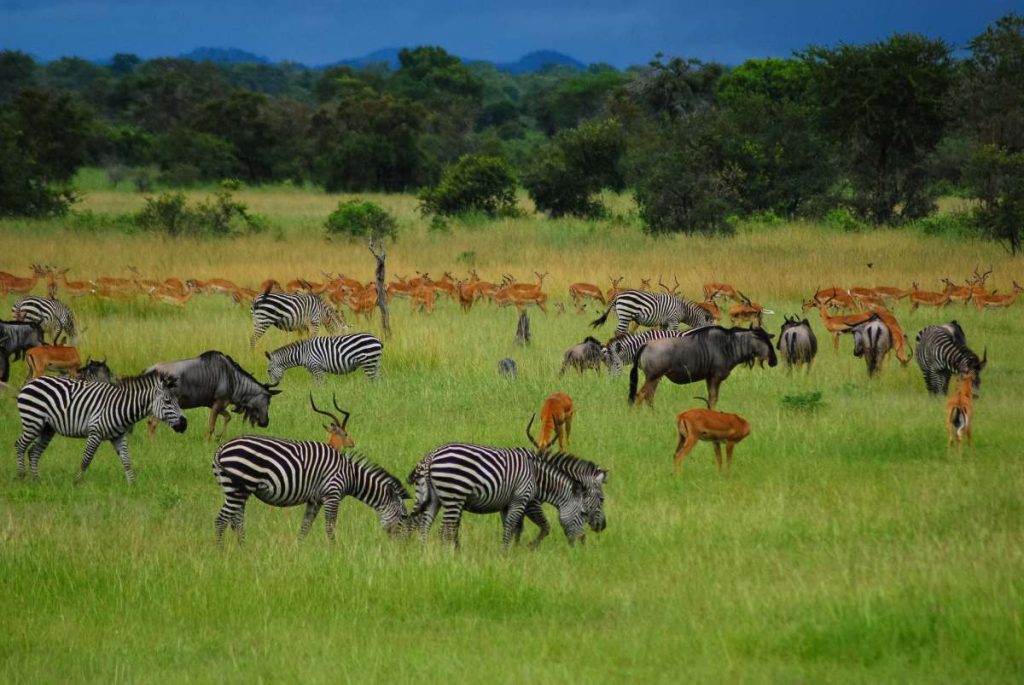
The migration isn’t a single event – it’s a continuous circular movement of roughly 1.5 million wildebeest, 200,000 zebras, and 300,000 gazelles following the rains and fresh grass.
December-March: Southern plains and Ndutu area for calving season. Peak time is late January through February.
April-May: Western movement begins as the southern plains dry out. Long rains can make this period less predictable for exact locations.
June-July: Western Corridor and Grumeti River crossings. Migration spreads across the western regions.
July-October: Northern Serengeti and Mara River crossings. This is peak tourist season because the crossings are spectacular and relatively predictable.
November: Migration starts moving south again from Kenya’s Maasai Mara back into the northern Serengeti, then gradually spreads across the park as they head toward the southern plains.
Here’s the thing nobody tells you clearly enough: the migration’s exact timing varies year to year depending on rainfall patterns. The windows above are typical, but animals don’t follow calendars. Some years the Mara crossings happen in late June, other years not until September. You’re making educated guesses, not guarantees.
Beyond The Migration
The Serengeti’s not just about wildebeest. The year-round resident wildlife is extraordinary regardless of where the migration currently sits.
Big cat density is phenomenal. Lions are everywhere – the park probably has around 3,000 of them. Leopards are reliably seen, especially around the kopjes in the Seronera area. Cheetahs prefer the open plains where they can use their speed. Even wild dogs occasionally appear, though they’re far less common.
Elephants, giraffes, buffalo herds numbering thousands, hippos packed into every waterhole, zebras, various antelope species – the diversity is remarkable. Bird watching is excellent too, with over 500 species recorded in the park.
You can have incredible Serengeti experiences without seeing a single wildebeest. The migration’s spectacular, but it’s not the only reason to visit.
When To Visit
Dry season (June-October) is peak tourist season for good reason. Weather’s reliable, roads are in better condition, and the northern migration/river crossings happen during this period. It’s also the easiest time for game viewing since animals congregate around water sources and vegetation is less dense.
Downsides: it’s busy, especially in popular areas and during river crossing season. Prices are highest, and you’ll see plenty of other safari vehicles.
Wet season (November-May) offers different advantages. Fewer tourists, lower prices, stunning landscapes when everything’s green, excellent bird watching, and if you time it for calving season (late January-February), you’ll see one of nature’s greatest spectacles.
The rains aren’t constant – mostly short afternoon showers rather than all-day downpours. But roads can be muddy, some remote areas become inaccessible, and wildlife is more dispersed when water’s available everywhere.
Shoulder seasons (November and March-April) can be brilliant. Post-rain landscapes are beautiful, wildlife concentrations are building as things dry out, but tourist numbers are still relatively low.
Where To Stay
Accommodation options range from basic public campsites to ultra-luxury lodges charging £1,000+ per night.
Permanent tented camps offer the best compromise between comfort and authentic safari experience. You’re sleeping in canvas with animals wandering past camp, but you’ve got proper beds, hot showers, and decent food.
Lodges provide more conventional hotel-style comfort. Some are spectacularly located with incredible views, others feel a bit disconnected from the wilderness. They’re comfortable but you lose some of the “camping in the bush” atmosphere.
Mobile camps move around the park following the migration. They’re often more expensive but offer exceptional game viewing since you’re positioned exactly where the action is for that specific time of year.
Public campsites are basic but cheap. You’ll need camping equipment, your own food, and a high tolerance for rough conditions. But you’re properly in the wilderness with minimal infrastructure between you and nature.
Location matters enormously. Staying in the Seronera area gives you the best year-round access to wildlife, but you sacrifice the remote wilderness feeling. Northern camps offer exclusivity and access to river crossings but require longer drives from entry gates.
Practical Considerations
Entry fees are $60 per adult per day (as of 2025), and you’ll typically spend 2-4 days in the park depending on your itinerary. Most people combine the Serengeti with Ngorongoro Crater and sometimes Tarangire or Lake Manyara for a complete northern Tanzania safari circuit.
You can’t drive yourself unless you’re exceptionally experienced with 4×4 vehicles and African conditions. Almost everyone goes with organised safari companies who provide vehicles, guides, and logistics.
The park’s massive, so driving times between camps can be long. Don’t try to cram too much into each day – game drives are exhausting even when you’re just sitting in a vehicle.
Mobile phone coverage is patchy to non-existent in most areas. WiFi exists in some lodges but it’s generally terrible. Factor in being genuinely disconnected.
Making It Work
Most people spend 3-4 nights in the Serengeti as part of a longer safari. That gives you time to explore 2-3 different areas properly without spending all your time driving.
If you’re planning your Serengeti safari, think carefully about timing versus what you want to see. Chasing the migration? You need to pick your dates strategically. More interested in general wildlife and landscapes? You’ve got more flexibility.
Don’t try to see everything. The park’s too big. Pick 2-3 regions to focus on, spend proper time there, and accept that you’ll miss other areas. That’s fine – it gives you an excuse to come back.
Work with operators who actually know the Serengeti rather than generalist companies. The park’s complex enough that local expertise makes a massive difference to the quality of your experience.
And honestly? However you do it – budget camping or luxury lodges, migration season or quiet months, northern regions or southern plains – the Serengeti delivers. It’s one of the few places where reality exceeds the glossy brochure photos.
Book your multi-park wildlife adventure in Tanzania and commit to spending proper time in the Serengeti. It’s not somewhere to rush through on a one-night stopover. Give it the days it deserves, and you’ll understand why people return again and again.