


Zanzibar’s landscapes are stunning – that’s not exactly news. The island’s reputation for pristine white sand, where turquoise beaches meet rich culture is well deserved. But if you’ve done any research, you’ve probably seen photos of the same beaches over and over: Nungwi, Kendwa, Paje. These are gorgeous, absolutely, but they’re also absolutely rammed with tourists, beach bars, and resorts.
The thing is, Zanzibar has dozens of beaches that barely see any visitors. Hidden coves, empty stretches of sand, places where you might have an entire beach to yourself for hours. These secret beaches don’t have the infrastructure of the famous spots – no sunbed rentals, no beach bars selling cocktails – but that’s exactly why they’re special.
Finding these beaches takes a bit more effort. Some require local knowledge to access, others are just far enough off the beaten path that most tourists don’t bother. But if you want that deserted tropical beach experience without flying to some remote Pacific island, Zanzibar’s secret beaches are absolutely worth seeking out.
Kendwa Rocks (The Quieter End)
Right, so Kendwa itself is far from secret – it’s one of Zanzibar’s most popular beaches. But one of the most important things to know about Zanzibar is that if you walk north from the main Kendwa beach area for about twenty minutes, you reach a stretch that’s completely different.
This northern section has the same stunning sunset views and calm water as the busy bit, but hardly anyone makes the walk. You’ll find local fishermen, maybe one or two other travellers, but nothing like the crowds at the main beach.
The sand is just as perfect, the swimming is brilliant because there’s minimal tidal variation (unlike the east coast where the tide goes out for miles), and you can actually hear the waves rather than beach bar music.
Come late afternoon for the sunset. The main Kendwa beach gets packed for sunset drinks, but this stretch stays quiet. Bring your own drinks if you want them – there are no facilities up here.
Mtende Beach
Mtende sits on the northeast coast between Matemwe and Pwani Mchangani, and it’s properly off most people’s radar. There’s no resort here, no beach restaurants, barely any development at all.
What you get is a long stretch of white sand backed by palm trees and local villages. The water is that ridiculous shade of turquoise that doesn’t look real in photos. At low tide, you can walk out onto the exposed reef and explore rock pools.
The beach is accessible via dirt roads from Matemwe. You’ll need a car or scooter to get here easily, which is partly why it stays quiet. Local fishermen use the beach in the early mornings, but by midday it’s usually deserted.
Bring everything you need – water, snacks, sun protection – because there’s nothing here. That’s the point.
Pongwe Beach
Pongwe is one of those beaches that feels like it should be more famous but somehow isn’t. It’s on the east coast, south of Matemwe, and it’s stunning.
The beach curves in a gentle arc with powder-soft sand and crystal-clear water. There are a couple of small guesthouses here but nothing like the development you see at Paje or Jambiani. Most of the time, you’ll have massive stretches of beach entirely to yourself.
The east coast experiences significant tides, so timing matters. At high tide, the water comes right up and swimming is brilliant. At low tide, the water retreats and you’re left with exposed reef and sand flats. Some people find this frustrating, but low tide reveals incredible marine life in the rock pools and you can walk for miles on the sand flats.
Pongwe has a proper deserted island vibe. Palm trees lean over the sand, local dhows sail past, and you can go hours without seeing another tourist.
Chumbe Island
Technically Chumbe isn’t secret – it’s a protected marine park – but it’s far less visited than the main Zanzibar beaches because getting there requires specific planning.
Chumbe is a tiny island off the west coast with some of the most pristine coral reefs around Zanzibar. The entire island is a conservation area, which means development is minimal and visitor numbers are carefully controlled.
The beaches here are untouched and stunning. Blinding white sand, completely clear water, and because the island is protected, the marine life is incredible. Snorkelling here is genuinely world-class.
You can visit as a day trip or stay overnight in the eco-lodge (pricey but brilliant). Either way, you need to book in advance through the Chumbe Island Coral Park organisation. This keeps numbers low and the island pristine.
Mnemba Island Beach (The Mainland Side)
Everyone knows about Mnemba Island – it’s the exclusive private island resort that costs thousands per night. But here’s what people don’t realise: the beach on the mainland directly opposite Mnemba is accessible to everyone and it’s absolutely gorgeous.
This stretch of beach (technically part of Matemwe but often called Mnemba beach) looks straight across to Mnemba Island. The water is shallow and calm, perfect for swimming and snorkelling. The coral reef around Mnemba attracts loads of marine life, and you can snorkel from the mainland beach.
Because the actual island is so expensive and exclusive, most tourists don’t even come to this area, assuming they can’t afford it. But the mainland beach is public and free. You get the views of Mnemba, access to the same reefs for snorkelling, and a fraction of the crowds you’d find at Nungwi or Paje.
There are a few small guesthouses in the area but not much else. Bring snorkelling gear if you have it, or rent some in nearby Matemwe.
Michamvi Peninsula Beaches
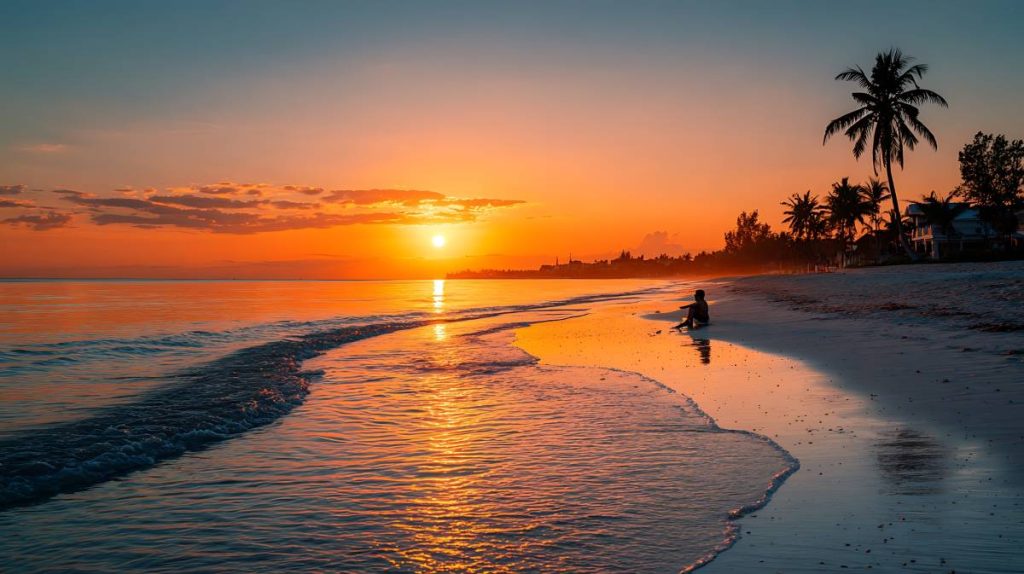
The Michamvi Peninsula on the southeast coast has several stunning beaches that see way fewer visitors than the nearby Paje and Jambiani beaches.
The peninsula juts out into the ocean, creating beaches on both sides with different characteristics. The ocean-facing side gets bigger waves and is more dramatic. The western side is sheltered and calm.
The beaches here have that classic Zanzibar look – brilliant white sand, turquoise water, palm trees – but without the kite surfers and beach bars that dominate Paje. A few boutique hotels exist on the peninsula, but development is minimal.
Access requires driving down dirt roads from the main road, which keeps casual visitors away. The peninsula is also far enough from Stone Town that day-trippers rarely make the journey.
Pack a picnic and spend the day exploring different coves around the peninsula. The variety is brilliant – you can swim in calm, clear water on one side and watch dramatic waves crash on the other.
Matemwe Beach (Northern End)
Matemwe village itself is well-known, but most visitors stick to the central beach area near the hotels and dive centres. Walk north from the village for twenty minutes and you reach a section of beach that’s completely different.
This northern stretch has minimal development – just local houses, fishing boats, and endless sand. The beach is wider here and backed by thick palm groves. At low tide, local women harvest seaweed from the exposed reef, and fishermen mend nets under the trees.
The vibe is authentically local rather than touristy. You’re more likely to interact with villagers going about their daily lives than with other travellers. It’s a proper look at coastal Zanzibar life rather than the sanitised resort experience.
Swimming is better at high tide when the water comes in. At low tide, you can explore the reef or just walk for miles on the sand flats. Bring sun protection because there’s no shade once you leave the palm groves.
When to Visit These Beaches
Zanzibar has two main seasons. Dry season (June-October) offers the best beach weather – sunny, dry, calm seas. This is peak tourist season, so even “secret” beaches might see more visitors, though they’ll still be way quieter than the main beaches.
The short rains (November-December) and long rains (March-May) mean occasional downpours and rougher seas, but also fewer tourists and dramatically lower prices. Secret beaches during rainy season are often completely deserted.
The east coast tides are extreme – at low tide, the water can retreat over a kilometre. Check tide times before visiting east coast beaches if you want to swim. West coast beaches have minimal tidal variation.
Getting to Secret Beaches
Most of these beaches require transport beyond Stone Town’s daladalas (local minibuses). Renting a scooter gives you flexibility to explore and access beaches that public transport doesn’t reach. Scooter hire is cheap and the roads are generally good, though watch out for sand on the roads near beaches.
Hiring a car with a driver for the day costs more but means less stress and better access to rough roads. Many drivers know the hidden beaches and can take you to spots you wouldn’t find on your own.
Alternatively, stay in guesthouses near these beaches rather than in Stone Town or the main resort areas. You’ll have direct beach access and can explore different times of day.
What to Bring
Secret beaches mean no facilities. Bring plenty of water, snacks, sun protection, and anything else you might need. There’s nowhere to buy drinks or rent umbrellas.
Cash for local interactions – if you’re parking near someone’s house or asking locals for directions, a small tip is appreciated. Snorkelling gear if you have it, though you can rent in larger villages. A waterproof bag for valuables and a sarong or beach mat.
The Trade-Off
Secret beaches don’t have the convenience of resort beaches. No sunbeds, no waiters bringing cocktails, no lifeguards. But that’s exactly what makes them special – you get unspoiled beauty, peace, and that rare feeling of discovering somewhere genuinely untouched.
These beaches reward a bit of effort with experiences that mainstream tourism can’t replicate. Empty white sand stretches, water so clear you can see the bottom metres down, and the satisfaction of finding something properly beautiful that isn’t on every Instagram account.