


Choosing your route up Kilimanjaro isn’t like picking a trail for a weekend hike. The route you take massively affects your chances of actually making it to the summit, how much you’ll suffer with altitude sickness, what you’ll see along the way, and how much you’ll enjoy the experience overall.
There are seven established routes up the mountain, and they’re genuinely different from each other. Some are busy motorways, others are quiet back roads. Some are steep and direct, others meander gradually upwards. Let’s break down what each one actually offers.
Machame Route (The “Whiskey” Route)
This is probably the most popular route right now, and for good reason. It’s challenging but achievable, scenically spectacular, and has a solid success rate of around 60-70% for 6-day climbs, pushing 80%+ for 7-day versions.
The Machame route approaches from the south-west through rainforest, then crosses the mountain to descend via the Mweka route. The “climb high, sleep low” profile – where you ascend during the day then drop to lower camps for the night – helps with acclimatisation considerably.
It’s steeper than some alternatives, particularly the Barranco Wall section on day 4, which involves some scrambling (though nothing technical – more like clambering over rocks). The campsites are excellent, especially Shira and Barranco camps with their stunning views.
Downsides? It’s busy. During peak season you’ll have plenty of company at camps and on the trail. Also, it’s one of the shorter routes distance-wise, which some people struggle with – the quick altitude gain doesn’t suit everyone.
Lemosho Route
Think of Lemosho as Machame’s quieter, longer cousin. It approaches from the west, spending more time on the Shira Plateau before joining the Machame route at Lava Tower.
The extra days (typically 7-8) mean better acclimatisation and higher success rates – often 85-90%. You start lower and gain altitude more gradually, which your body appreciates even if your wallet doesn’t (longer trips cost more).
The western approach means you see different scenery in the first few days, particularly the stunning Shira Plateau with its otherworldly landscape. Wildlife sightings are more common in the early stages since this side of the mountain sees fewer hikers.
It’s pricier than Machame because of the longer duration and the more remote starting point. But if you want to maximise your summit chances and don’t mind the extra cost, Lemosho’s hard to beat.
Marangu Route (The “Coca-Cola” Route)
The oldest and most established route, Marangu is the only one with hut accommodation instead of camping. You sleep in bunk beds, there are communal dining areas, and you even get toilets that aren’t holes in the ground.
Sounds lovely, right?
The problem is that Marangu’s reputation as the “easy” route is somewhat misleading. Yes, the trail itself is less steep and more gradual. But the standard 5-day itinerary has a shockingly low success rate – often below 50% – because there’s not enough acclimatisation time. The route goes up and down the same path, and the profile doesn’t follow the ideal “climb high, sleep low” principle.
If you extend it to 6 days with an extra acclimatisation day at Horombo Hut, success rates improve dramatically to around 80%. But most operators still sell the 5-day version because it’s cheaper.
Choose Marangu if you really value the hut accommodation or have mobility issues that make camping difficult. But seriously consider the 6-day option.
Rongai Route
The only route approaching from the north (Kenya side), Rongai offers a completely different perspective on Kilimanjaro. It’s drier than the southern routes, has fewer crowds, and the scenery’s more varied with views across the Kenyan plains.
The gradient is gentle, making it physically less demanding than routes like Machame. The 6-7 day itineraries provide decent acclimatisation time, with success rates around 70-80%.
Rongai’s often recommended for climbing during the wet season because the northern side gets less rainfall. It’s also good if you’ve climbed before and want to see a different side of the mountain.
The main drawback is that it’s less scenic than the southern routes – no Barranco Wall, less dramatic landscapes. And because you ascend and descend different routes (coming down via Marangu), you don’t get the satisfaction of retracing your steps and seeing how far you’ve come.
Northern Circuit
This is the newest and longest route – typically 8-9 days – and it has the highest success rate of any Kilimanjaro route, often exceeding 90%.
The Northern Circuit goes around the quieter northern side of the mountain, offering 360-degree views and exceptional acclimatisation. You genuinely spend time at altitude, your body adjusts properly, and summit day feels significantly more manageable than on shorter routes.
It’s also the least crowded route by far. Some days you might not see another group at all. The campsites on the northern side are pristine, and there’s a genuine sense of wilderness that the busier routes lack.
Obviously, longer means more expensive. You’re looking at premium pricing for this route. But if budget isn’t your primary concern and you want the best possible chance of summiting whilst seeing parts of Kilimanjaro most climbers never visit, it’s brilliant.
Umbwe Route
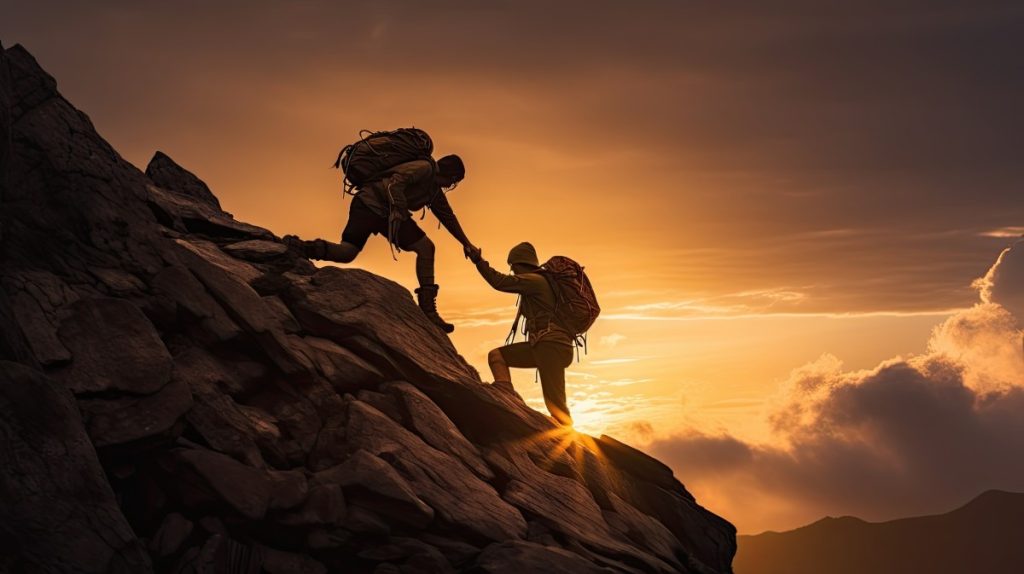
The shortest and steepest route up the mountain. Umbwe is for experienced high-altitude trekkers who want a serious challenge and don’t mind lousy acclimatisation profiles.
It goes almost straight up the southern face, gaining altitude rapidly. The trail is less developed, more rugged, and significantly harder than any other route. Success rates hover around 50% even for fit climbers because the quick altitude gain causes problems.
Why would anyone choose this? Some people want the challenge. Others are experienced mountaineers who’ve climbed at altitude before and know their bodies can handle rapid ascent. And it’s undeniably scenic, particularly the forest sections and the ridge scrambles.
But honestly, unless you’ve got solid high-altitude experience and enjoy suffering, there are better options.
Shira Route
Similar to Lemosho but starting even higher – you drive up to 3,600 metres on day one rather than hiking from lower altitude. This immediately creates acclimatisation issues for many people.
The scenery is spectacular since you start right on the Shira Plateau, and the route itself is excellent after that first day. But beginning at such high altitude without proper adjustment time is asking for trouble with altitude sickness.
Most operators now recommend Lemosho over Shira for exactly this reason. The routes are nearly identical after day one, but Lemosho doesn’t throw you straight into thin air.
Choosing Your Route
Think about your priorities. Want the highest success rate? Northern Circuit or extended Lemosho. On a tighter budget? Machame offers good value. Prefer huts to camping? Marangu’s your only option. Want solitude? Northern Circuit or Rongai.
Your fitness level matters, but it matters less than you’d think. The altitude affects everyone regardless of how fit you are. What matters more is choosing a route with adequate acclimatisation time.
For most first-time Kilimanjaro climbers, Machame (7-day) or Lemosho hit the sweet spot between cost, success rate, and scenic value. Experienced altitude trekkers might prefer Northern Circuit for the wilderness experience or even Umbwe for the challenge.
Check out our overview of Kilimanjaro routes for more detail on timing and what to expect on each route. And whatever you choose, remember that the best route is the one that actually gets you to the top whilst letting you enjoy the experience.Because honestly, standing on Uhuru Peak at sunrise is incredible regardless of which path you took to get there. Pick the route that matches your experience, budget, and what you want from the climb, then trek through the breathtaking Kilimanjaro routes with confidence that you’ve made the right choice.