


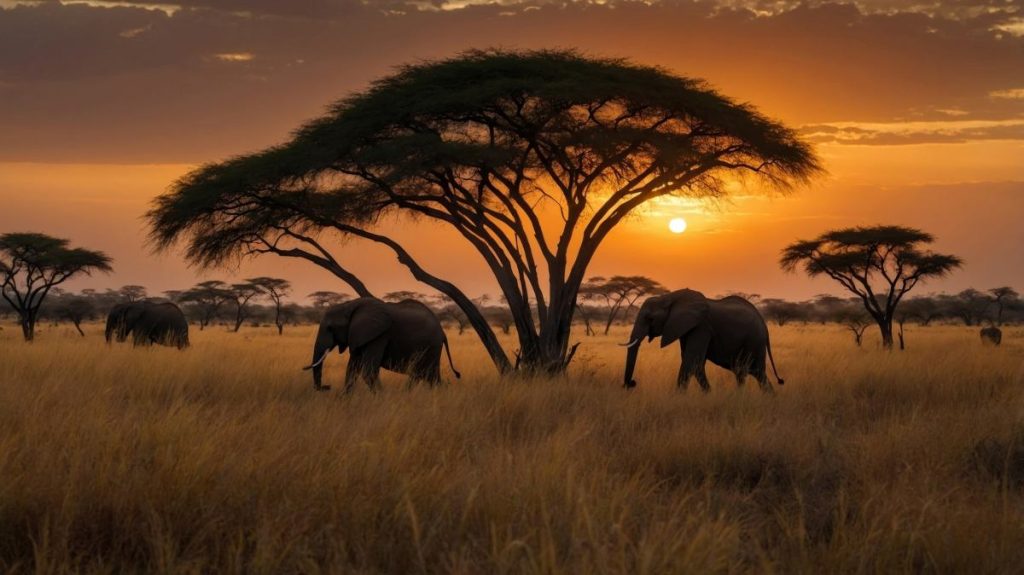
Timing is everything when it comes to the African bush. You can visit the exact same spot in the Serengeti in July and January, and you would swear you were standing on two different planets. One month, the grass is waist-high and vibrant emerald; a few months later, it’s a parched, golden dust-bowl where every movement kicks up a dry haze. Neither is “better,” but they offer profoundly different experiences for anyone planning your first Tanzanian safari.
Tanzania doesn’t really have a “winter” or “summer” in the European sense. Instead, the rhythm of the wild is dictated by the rains. Because the country sits just south of the Equator, the temperatures remain relatively tropical year-round, but the moisture levels move the Great Migration like a massive, living chess piece. Whether you’re booking a Tanzania multi-park safari tour or a private fly-in circuit, understanding these seasons is the key to seeing exactly what you came for.
The Long Dry Season: June to October
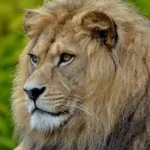
This is widely considered the “peak” time for a safari. As the water holes inland begin to dry up, animals are forced to congregate around permanent water sources like the Seronera River or the Tarangire River. For a traveller, this is a gift; you don’t have to go searching for the wildlife – the wildlife comes to you. The thinning vegetation also means there are fewer places for a leopard or a pride of lions to hide, making your guide’s job much easier.
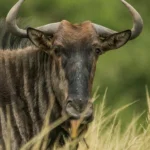
June and July are also the prime months to witness the dramatic “Grumeti” and “Mara” river crossings. Watching thousands of wildebeest plunge into crocodile-infested waters is a high-octane spectacle that many people plan years in advance to see. It’s worth noting that this is also the busiest time in the parks, so expect more vehicles at major sightings and slightly cooler nights that require a heavy fleece for those early morning drives.
The “Green Season”: November to May
If you prefer a quieter, more intimate experience, the Green Season (broken up by the “short rains” in November/December and “long rains” in April/May) is an underrated gem. After the first rains fall, the dust settles and the landscape explodes into life. This is the best time for birdwatching, as migratory species from Europe and North Africa arrive in their thousands, turning the sky into a kaleidoscope of colour.
February is a particularly special month in the southern Serengeti. This is the calving season, where around 8,000 wildebeest calves are born every single day. The plains are carpeted in nursery herds, which naturally attracts an incredible amount of predator action. While the grass is longer and spotting can be a bit more challenging, the sheer abundance of life and the absence of “safari traffic” make it a favourite for seasoned African travellers.
Navigating the “Big Rains”
April and May are the months of the “long rains.” This is when Tanzania receives the bulk of its annual rainfall. Many mobile camps actually pack up and close during this period because the black cotton soil becomes notoriously difficult to navigate, even for the most experienced 4×4 drivers. However, for the adventurous soul, this is “Emerald Season.”
The air is incredibly clear – perfect for photography – and the prices at the luxury lodges that remain open often drop significantly. You’ll have the Ngorongoro Crater almost entirely to yourself, which is a rarity. Just be prepared for afternoon downpours and the occasional “mud-recovery” session if your driver gets a bit too ambitious near a marsh.
The Short Dry Season: January and February
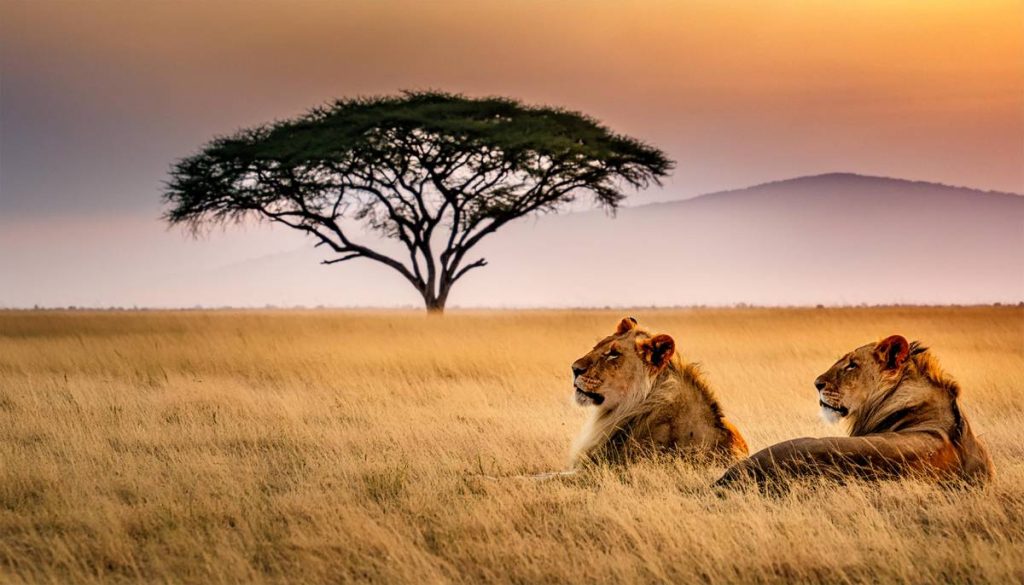
Tucked between the two rainy periods is a beautiful window of dry weather. January and February offer some of the best weather of the year – hot, sunny days and clear nights. It’s a popular time for those looking to escape the Northern Hemisphere winter. The dust hasn’t quite reached the levels of September, but the animals are still very active and visible.
This is also a fantastic time to combine a safari with a trip to the coast. The Indian Ocean is at its calmest and clearest during these months, making for world-class snorkeling in Zanzibar after your dusty days in the bush. It’s the “sweet spot” of the Tanzanian calendar where you get the best of the savannah and the best of the sea in one seamless trip.
When to Go for Specific Goals
If your heart is set on seeing the Big Five, any time from June to February will serve you well, though the Ngorongoro Crater is a reliable year-round sanctuary for rhinos and lions regardless of the rain. If you’re a photographer, the “shoulder” months of June or late October offer the best light and the most dramatic clouds without the torrential rain of May.
For those on a budget, look at the “low season” months of March, April, or November. You can often stay in world-class lodges for a fraction of their peak-season price. You might get a bit wet, but the sightings are just as raw and authentic, and you won’t have to share your “lion moment” with ten other Land Cruisers.
A Final Thought on “Peak” Times
Ultimately, there is no “bad” time to be on safari in Tanzania. The ecosystem is so vast and so rich that there is always something extraordinary happening. Whether it’s a cheetah hunt in the dry heat of August or a newborn zebra taking its first steps in the lush grass of January, the mountain of Kilimanjaro and the plains of the Serengeti never fail to deliver. My best advice? Choose the season that fits your personality – the drama of the dry or the beauty of the green.
FAQs
Is it true that it rains all day during the “Rainy Season”?
Rarely. Usually, it’s a dramatic afternoon thunderstorm that lasts an hour or two, followed by clear skies. The exception is the “long rains” in April and May, where you might experience more persistent, grey weather, but even then, the sun usually makes an appearance.
Will I see the Great Migration if I go in December?
Yes, but they will be in the southern Serengeti and Ngorongoro Conservation Area (Ndutu), grazing on the nutrient-rich grass. You won’t see river crossings, but you will see the massive herds spread across the plains as far as the eye can see.
What should I wear for a safari in the “Dry Season”?
Layers are essential. It can be surprisingly chilly at 6:00 AM (around 10°C), especially in the Ngorongoro Crater which is at a higher altitude. By midday, it will be 28°C or 30°C. Bring a warm jacket for the morning and light, breathable clothing for the afternoon.