

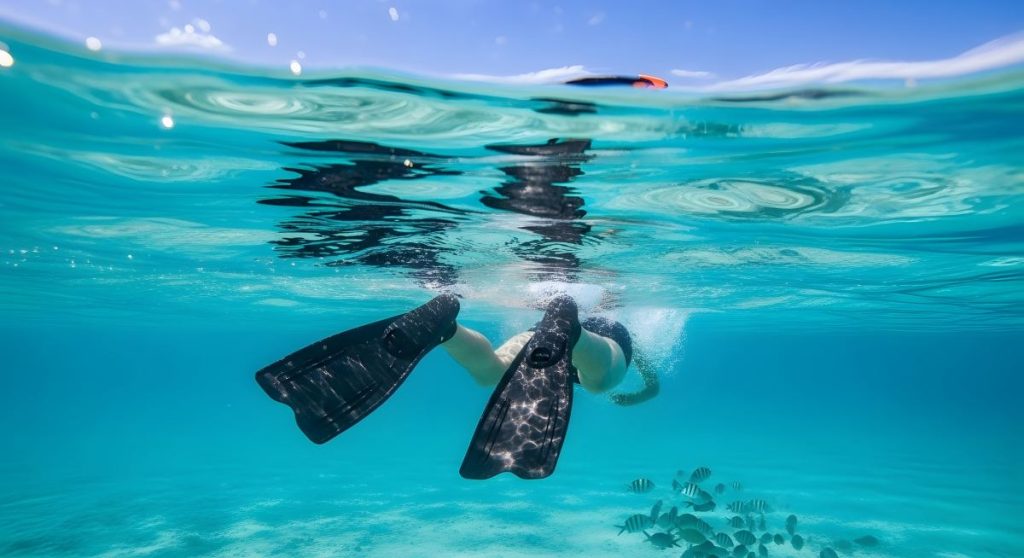
After the physical exertion of a safari or a mountain trek, there is no better antidote than the rhythmic lapping of the Indian Ocean against a wooden dhow. Zanzibar isn’t just a single island; it’s an archipelago defined by its white-sand beaches and turquoise waters, but the real magic happens about twenty feet offshore. The coral reefs here act as a massive, submerged nursery for some of the most vibrant marine life on the planet.
If you’re looking for the best beaches in Zanzibar, you’ll find that the snorkeling quality varies wildly depending on the tides and the wind. While you can find a few fish just by wading out from your hotel, the truly “aquarium-like” experiences require a short boat ride to the offshore reefs. From the tiny nudibranchs to the occasional passing whale shark, the biodiversity here is staggering.
1. Mnemba Atoll
Mnemba is the undisputed heavyweight of Zanzibar snorkeling. It’s a private island surrounded by a sprawling, oval-shaped reef that is strictly protected. While you aren’t allowed to step foot on the island itself (unless you’re staying at the ultra-exclusive lodge), the “House Reef” is open to everyone. The water here is famously clear, often offering 20 to 30 metres of visibility on a calm day.
It’s the best place to see wild dolphins. Pods of Indo-Pacific bottlenose dolphins frequent these waters, and while ethical guidelines forbid “chasing” them, they are notoriously curious and will often swim alongside snorkelers. Even without the dolphins, the sheer density of moorish idols, blue-spotted rays, and green turtles makes Mnemba a non-negotiable stop on your itinerary.
2. Tumbatu Island
Located off the north-west coast near Nungwi, Tumbatu is a bit of a hidden gem. Because the island is home to a very traditional community, it sees far fewer tourists than Mnemba. The reef here is exceptionally healthy, characterized by massive stands of staghorn coral and large “bommies” that play host to thousands of tiny, neon-colored reef fish.
What makes Tumbatu special is the shallow depth. Most of the best coral is just two or three metres below the surface, meaning you don’t have to be a free-diver to see the intricate details of the reef. It’s a great spot for macro-photography enthusiasts who want to spot leaf fish, frogfish, and rare varieties of seahorses hiding in the crevices.
3. Chumbe Island Coral Park
If you want to see what a “pristine” reef looks like, Chumbe is the place. It was the first private marine protected area in the world, and the conservation standards here are incredibly high. They only allow a limited number of visitors per day, and the snorkeling is always guided by a professional marine biologist who can explain exactly what you’re looking at.
The coral at Chumbe is almost 100% intact, which is rare in the modern world. Because fishing has been banned here for decades, the fish are remarkably “bold.” You’ll find massive sweetlips and groupers that don’t dart away when you approach. It feels less like a tourist excursion and more like stepping back in time to an era before industrial fishing.
4. Blue Lagoon (Michamvi)
On the southeast coast, the Blue Lagoon at Michamvi offers a very different experience. It’s highly tide-dependent; you want to visit at low tide when the lagoon becomes a calm, sheltered pool of crystal-clear water. The lagoon is filled with seagrass meadows and small coral patches that attract a different variety of life than the outer reefs.
This is the place to see starfish. Huge, bright red and orange knobby starfish dot the sandy floor, and the calm conditions make it perfect for nervous or first-time snorkelers. It’s also close to the famous “The Rock” restaurant, making it an easy addition to a day trip around the Michamvi Peninsula.
5. Kendwa Reef
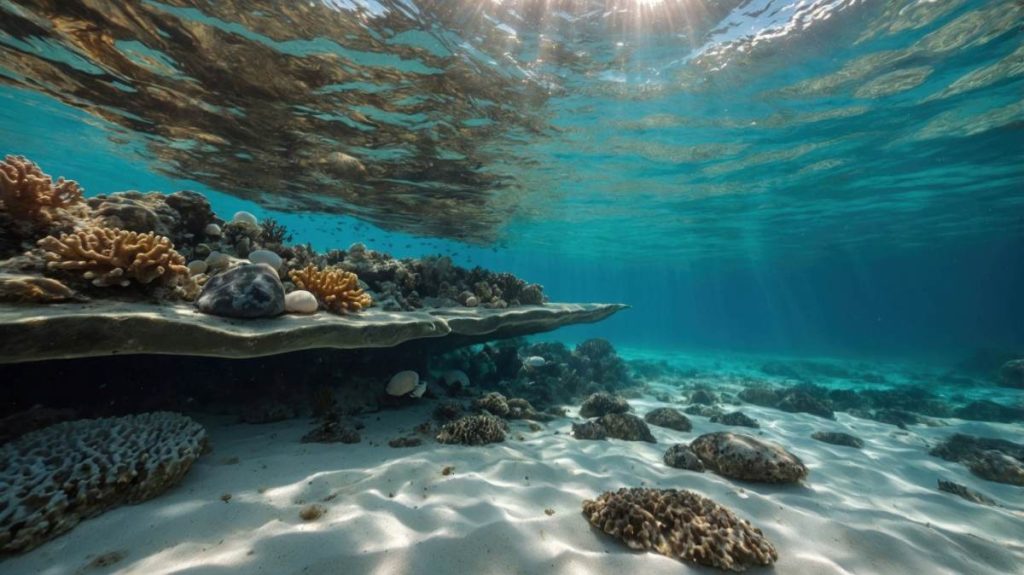
Kendwa is famous for its “non-tidal” beach, meaning you can swim at any time of day without the water receding for miles. Just a short swim or a two-minute boat ride from the shore lies a series of coral gardens that are teeming with life. While it can get busy in the afternoons, an early morning snorkel here is incredibly peaceful.
You’ll often see schools of squid hovering in the mid-water, changing colour in the blink of an eye. The reef is also a hotspot for pufferfish and the occasional octopus hiding in a hole. Because Kendwa is on the sheltered west coast, the water is usually flat as a pancake, making for an effortless snorkeling experience.
6. Prison Island (Changuu)
Most people visit Prison Island to see the giant Aldabra tortoises, but the reef surrounding the island is surprisingly good. It’s a convenient option if you’re based in Stone Town and don’t want to travel all the way north. The coral isn’t quite as diverse as Mnemba, but the proximity to the city makes it a great “quick fix.”
The highlight here is the colorful anemonefish (Nemo’s cousins) that inhabit almost every large anemone on the reef. It’s a shallow, easy snorkel that works well for families with children. Just be mindful of the boat traffic, as it’s a popular transit point for dhows moving between Stone Town and the surrounding islands.
7. Pange Sandbank
Pange is a tiny sliver of white sand that emerges from the ocean during low tide. Surrounding this sandbank is a shallow, turquoise reef that feels like a natural swimming pool. The water is so clear and shallow that it’s almost like snorkeling in a bathtub.
It’s particularly good for seeing “Christmas Tree” worms and various types of colorful sea urchins (don’t touch!). Because there is no “deep” water nearby, the temperature stays very warm, allowing you to stay in the water for an hour or more without getting a chill. It’s usually combined with a seafood lunch on the sandbank, making for a perfect, lazy Zanzibar day.
8. Nungwi “Light” Reef
Right at the northern tip of the island, the reefs off Nungwi are the most accessible. You can often see local fishermen in their dug-out canoes passing by while you explore the reef. It’s a rugged landscape of coral and rock that provides plenty of hiding spots for moray eels and lobsters.
While parts of this reef have suffered from heavy traffic, there are still pockets of beautiful brain coral and sea fans. It’s the best place to go if you want to combine snorkeling with a sunset cruise. There is something quite special about finishing a snorkel and then climbing back onto a dhow to watch the sun sink into the Indian Ocean with a cold drink in your hand.
FAQs
When is the best time of day for snorkeling in Zanzibar?
Morning is almost always better. The winds are generally calmer, and the visibility is clearer before the afternoon “chop” picks up. Also, check the tide charts; most reefs are best visited around low tide when the water is shallower and calmer.
Do I need to bring my own snorkeling gear?
Most tour operators provide masks, snorkels, and fins. However, if you have a high-quality mask that fits your face well, it’s always worth bringing it. A leaking rental mask can ruin an otherwise perfect trip.
Are there sharks in Zanzibar?
You might see small, harmless reef sharks (like blacktip or whitetip reef sharks), but they are very shy and will usually swim away long before you get close. Great white sharks are not found in these warm, tropical waters.