


There is a specific kind of quiet that settles over the Serengeti just before dawn. It’s not a true silence; it’s a vibrating tension filled with the distant “whoop” of a spotted hyena and the low, rhythmic sawing sound of a leopard’s call. As the first orange light hits the flat-topped acacia trees, you realise that you aren’t just observing a landscape – you’ve stepped into the world’s most sophisticated and ancient theatre.
Tanzania is arguably the finest wildlife destination on the planet, boasting a higher concentration of large mammals per square mile than anywhere else in Africa. Whether you’re exploring multiple national parks in one trip or focusing on the northern circuit, the variety of species is overwhelming. If you’re preparing for the journey, it helps to know who the “main characters” are and where you’re most likely to find them.
The Legendary Big Five
The term “Big Five” is a carry-over from the old hunting days, referring to the five animals that were the most dangerous to track on foot. Today, it’s the gold standard for safari sightings. The African Elephant and Cape Buffalo are the easiest to spot; in places like Tarangire, you’ll see herds of elephants that are hundreds strong, while the Ngorongoro Crater is famous for its massive, ancient buffalo bulls (often called “Dagga Boys”).
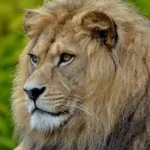
The Lion is the undisputed king of the Tanzanian plains. The Serengeti holds one of the highest lion densities in the world, and it’s not uncommon to see prides of fifteen or twenty lounging on the granite kopjes. The Leopard, however, is much more elusive. These solitary cats prefer the riverine forests of Seronera or the tree branches of Lake Manyara. Finally, there is the Black Rhino – the rarest of the lot. Your best chance of seeing these prehistoric giants is on the floor of the Ngorongoro Crater, where a small, protected population still roams.
The Great Migration: Wildebeest and Zebra
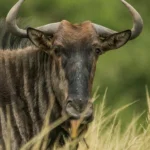
No discussion of Tanzanian wildlife is complete without the Great Migration. Over 1.5 million Wildebeest, accompanied by 200,000 Zebra and various gazelles, move in a perpetual circle through the Serengeti National Park. This isn’t just a herd; it’s a living, breathing ecosystem that dictates the lives of every predator in its path.
Watching a river crossing in the north or the calving season in the southern Ndutu plains is a primal experience. The zebras are particularly interesting to watch; they act as the “scouts” of the migration, possessing excellent eyesight and a better memory for paths than the wildebeest.
The sound of thousands of hooves thundering across the plains is something you feel in your chest long before you see the dust on the horizon.
The Cheetah: The Ghost of the Plains
While the lion and leopard get most of the glory, the Cheetah is a favourite for many safari-goers. These slim, aerodynamic cats are built for speed, and the wide-open grasslands of the central and southern Serengeti are their perfect hunting grounds. Unlike other big cats, cheetahs are diurnal (active during the day), which increases your chances of witnessing a high-speed chase.
Spotting a cheetah requires a keen eye. They often use termite mounds or the tops of safari vehicles (though the latter is discouraged!) as lookout points to scan for Thompson’s gazelles. Their tear-stained facial markings and chirping calls make them feel more “domestic” than a lion, but watching them move at 70 mph is a stark reminder of their status as the world’s fastest land animal.
Giants of the Water: Hippos and Crocodiles
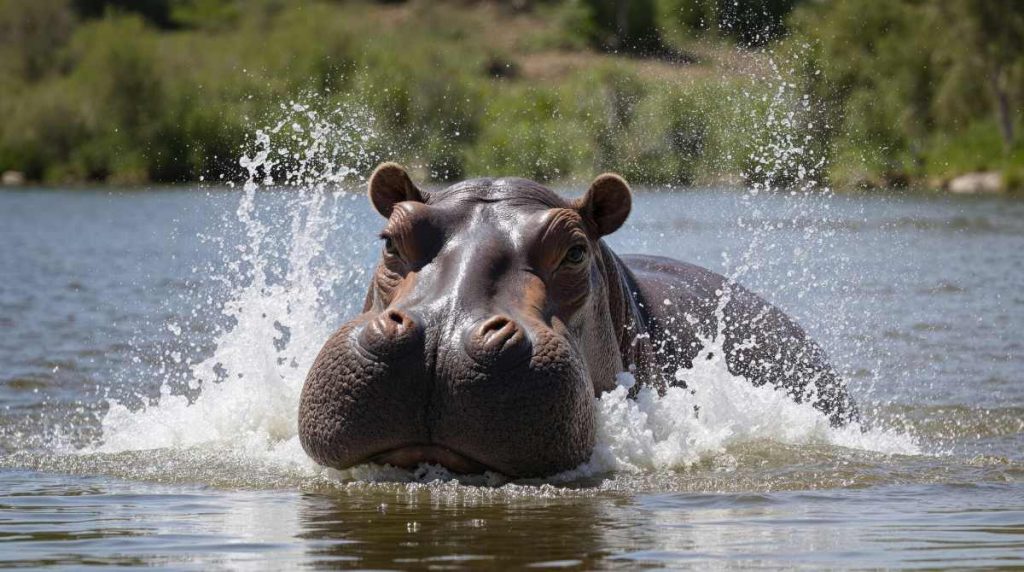
If you head toward the Retima Hippo Pool in the Serengeti or the wetlands of Lake Manyara, you’ll encounter the heavyweights of the waterways. The Hippopotamus might look comical as it wallows in the mud, but it is one of Africa’s most dangerous animals. During the day, they huddle together to keep their sensitive skin cool, creating a cacophony of deep, booming grunts that echo across the water.
Sharing these water sources are the Nile Crocodiles. These ancient reptiles can reach lengths of over five metres and are a constant threat to the migrating herds during river crossings. Seeing a “float” of crocodiles basking on a muddy bank with their mouths open (a way of regulating their body temperature) is a chilling sight that highlights the raw, unsentimental nature of the African wilderness.
The Tallest Residents: Giraffes and Ostriches
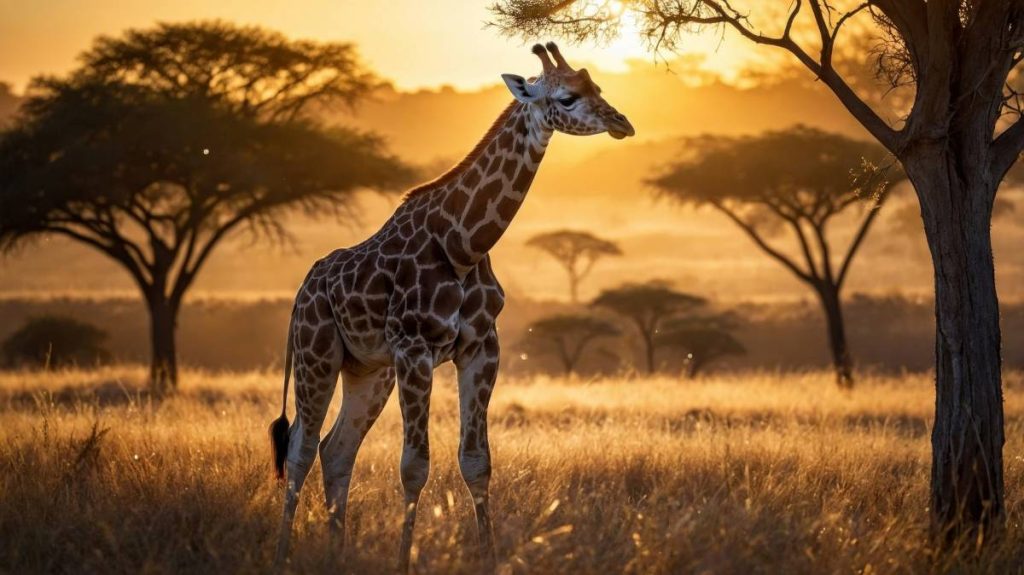
The Masai Giraffe is the national animal of Tanzania, and for good reason. They are everywhere – loping across the savannah with a strange, slow-motion elegance. Their height allows them to reach the tender acacia leaves that other herbivores can’t touch, and their unique coat patterns are like human fingerprints; no two are exactly the same.
On the ground, you’ll find the Ostrich, the world’s largest bird. These flightless giants are surprisingly fast and possess a powerful kick that can deter a lion. Watching a male ostrich perform its elaborate “wing-fanning” mating dance is one of those unexpected safari highlights that reminds you that the small details are just as fascinating as the big predators.
Primates and Smaller Creatures
While everyone looks for the big cats, don’t forget to look up into the trees. Tanzania is home to a variety of primates, from the “cheeky” Olive Baboons that hang around park gates to the beautiful Black-and-White Colobus Monkeys found in the more forested areas like Arusha National Park.
Then there are the “Small Five” – the Elephant Shrew, Ant Lion, Rhinoceros Beetle, Leopard Tortoise, and Buffalo Weaver. It’s a fun game to try and spot these miniature counterparts to the big icons. Your guide will also point out the Spotted Hyena, Black-backed Jackal, and if you’re incredibly lucky, the rare African Wild Dog. These social hunters are some of the most successful predators in Africa, and seeing a pack in action is a masterclass in teamwork.
FAQs
What is the best time of day to see predators?
Predators are most active during the “crepuscular” hours – dawn and dusk. This is when the air is cooler and they have the advantage of low-light camouflage. Most safari drives start at 6:00 AM to catch them before they head into the thickets to sleep off the heat of the day.
Is it guaranteed that I will see the Big Five?
While Tanzania offers some of the best odds in the world, “nature doesn’t have a script.” You are almost certain to see elephants, lions, and buffalo. Leopards and rhinos require more patience and a bit of luck. The Ngorongoro Crater is your best bet for seeing all five in a single day.
Can we get out of the vehicle to see the animals?
Generally, no. For your safety and the respect of the animals, you must stay inside the vehicle at all times in national parks. There are designated picnic spots where it is safe to stretch your legs, but elsewhere, the vehicle acts as your protective “bubble” that the animals perceive as a single, non-threatening object.