

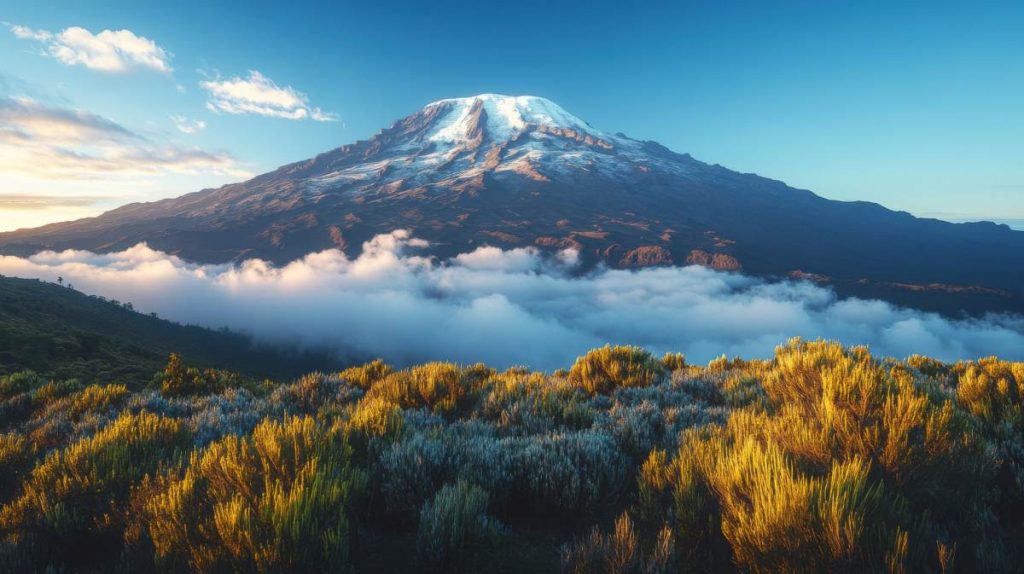
There is a peculiar hush that falls over the slopes of Mount Kilimanjaro just before sunrise. The chill bites at your cheeks, the stars overhead shimmer with an almost tangible clarity, and the silhouette of the summit looms in the distance, silent and commanding. Standing at 5,895 metres, Kilimanjaro isn’t just a mountain – it’s an epic challenge, a rite of passage, and for many, a dream realised. But with this grandeur comes a very real risk: altitude sickness, a phenomenon that can turn the excitement of a legendary summit expedition in East Africa into a test of endurance and patience.
Understanding altitude sickness on Kilimanjaro is crucial if you’re planning to ascend this iconic peak. It’s not just a matter of fitness or stamina; the human body has limits when it comes to thin, high-altitude air. Knowing what to expect (and how to manage it) can mean the difference between a triumphant summit and an uncomfortable, or even dangerous, experience.
What is Altitude Sickness?
Altitude sickness, also known as acute mountain sickness (AMS), occurs when the body struggles to adapt to lower oxygen levels at high elevations. On Kilimanjaro, symptoms typically begin to appear above 2,500 metres, intensifying as climbers ascend towards the summit.
Common warning signs include:
- Persistent headaches
- Nausea and vomiting
- Fatigue and dizziness
- Shortness of breath during minimal exertion
- Disturbed sleep and appetite
While mild AMS can be uncomfortable, it is usually manageable with rest and careful acclimatisation. Severe cases, however, can escalate to high-altitude pulmonary oedema (HAPE) or high-altitude cerebral oedema (HACE), both of which are medical emergencies requiring immediate descent.
Why Kilimanjaro is a Unique Challenge
Unlike mountains that require technical climbing skills, Kilimanjaro is classified as a trekking peak. This accessibility can be deceptive: climbers often underestimate the impact of altitude, assuming their fitness will guarantee a smooth ascent. However, the true challenge isn’t the terrain – it’s the air itself.
Ascending too quickly reduces the time your body has to acclimatise, increasing susceptibility to AMS. Even experienced hikers can experience symptoms if they ignore the mountain’s rhythm. This is why carefully planned itineraries, with gradual ascents and built-in rest days, are considered essential for a safe climb.
Recognising Symptoms Early
Being able to identify early signs of altitude sickness is vital. Often, climbers dismiss mild headaches or nausea as fatigue or hunger, but these can be the first indicators that the body is struggling. Keeping a log of symptoms, checking in with guides, and communicating openly about how you feel can prevent small issues from becoming dangerous.
Some climbers find that mild AMS symptoms improve with hydration, slower pacing, and simple medication. However, if symptoms persist or worsen – especially if dizziness, severe shortness of breath, or confusion develops – descending even a few hundred metres may be the safest course of action.
Strategies to Minimise Risk
1. Choose the Right Route and Pace
Longer routes with gradual ascents, such as the Lemosho or Machame paths, allow the body to adapt slowly. A common rule is the “climb high, sleep low” principle: gain elevation during the day, but retreat to lower camps to rest at night.
2. Stay Hydrated and Nourished
Altitude increases fluid loss, so drinking water consistently is crucial. High-energy snacks can also help maintain strength and combat fatigue.
3. Listen to Your Body
Pushing through fatigue or mild headaches may feel heroic, but Kilimanjaro is a mountain that rewards patience. Resting when needed and adjusting pace is not a sign of weakness—it’s a strategy for success.
4. Consider Medication with Caution
Some climbers use preventative medication like acetazolamide under medical supervision. This can aid acclimatisation but should never replace careful pacing and awareness of symptoms.
When to Seek Medical Attention
Recognising severe altitude sickness is key to safety. Seek immediate help if you experience:
- Shortness of breath at rest
- Severe or worsening headache unrelieved by medication
- Confusion, loss of coordination, or drowsiness
- Fluid retention causing swelling in the hands, feet, or face
A rapid descent is the only definitive treatment for serious cases. Guides on Kilimanjaro are trained to monitor climbers closely and respond promptly, making professional guidance invaluable.
The Reward of Patience
Understanding altitude sickness on Kilimanjaro isn’t just about your safety – it’s about enhancing the experience. Climbers who respect the mountain’s rhythm often find the journey more enjoyable, with energy to savour every step, camp, and sunrise along the way. By acclimatising properly and pacing oneself, the climb becomes not only achievable but truly unforgettable.
Reaching Uhuru Peak at dawn, with the clouds below and the first light illuminating Africa’s vast plains, is a moment that transcends fatigue, discomfort, and altitude. It is the reward for preparation, awareness, and respect for one of the world’s most majestic mountains.
FAQs
Can anyone get altitude sickness?
Yes. Even seasoned hikers and fit individuals are susceptible. Genetics, rate of ascent, and hydration all influence how the body reacts to high altitude.
How long does it take to acclimatise properly?
Most routes recommend 7–9 days to allow the body to adjust gradually. Shorter itineraries increase the risk of AMS.
Are there ways to prevent altitude sickness completely?
While proper pacing, hydration, and rest minimise risk, there is no guaranteed prevention. Being informed, listening to your body, and following a gradual ascent plan are the best strategies.
Is it safe to continue climbing if I feel mild symptoms?
Mild symptoms can sometimes be managed with rest and hydration, but persistent or worsening signs should be taken seriously. Descending is always safer than risking severe altitude sickness.