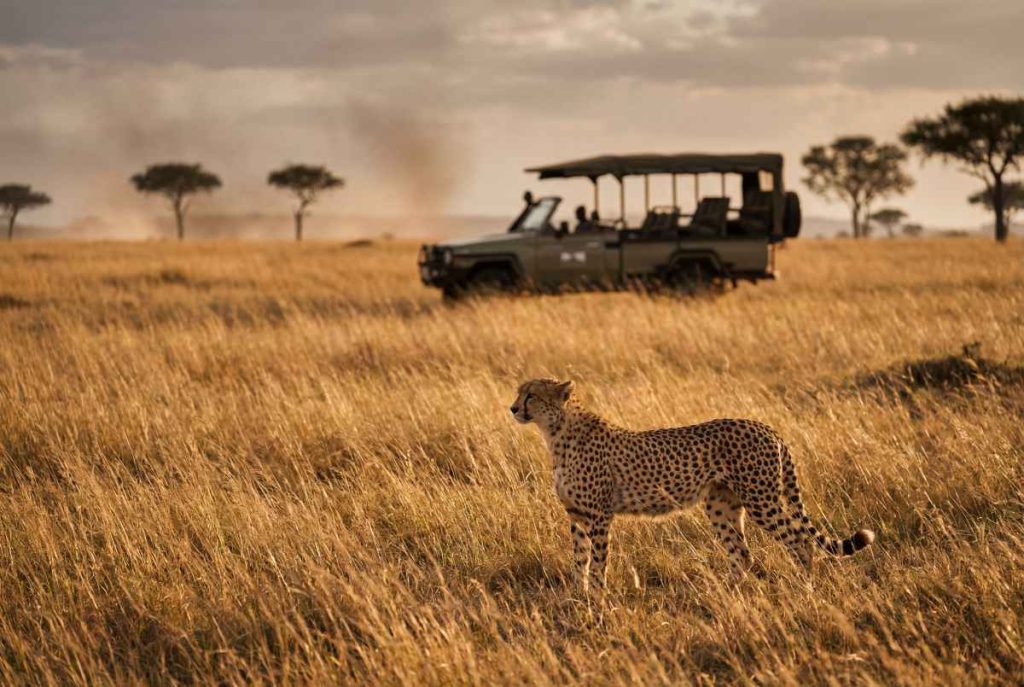
Tanzania is one of the most extraordinary safari destinations on Earth. Vast wilderness areas, iconic national parks, and dense concentrations of wildlife create an environment where every journey feels like a discovery. But before the adventure begins, one important decision shapes the entire experience: should you explore on a guided safari or attempt a self-drive journey?
At first glance, self-driving through African national parks might sound appealing. It suggests freedom, flexibility, and independence. Yet in reality, the contrast between guided safaris and self-drive experiences is far greater than most travellers expect.
Understanding the differences between these two approaches is essential – and often the reason why guided safaris consistently deliver a more rewarding, safer, and richer experience.
Understanding the Two Approaches
Both safari styles offer access to Tanzania’s remarkable landscapes and wildlife, but they differ fundamentally in structure and experience.
- Self-drive safaris place full responsibility on the traveller, from navigation to wildlife spotting and safety decisions
- Guided safaris provide professional drivers and guides who manage logistics, interpretation, and real-time decision-making
While self-drive trips may appear flexible on the surface, guided safaris offer a depth of access and expertise that is difficult to replicate independently.
The Appeal of Self-Drive Safaris
Self-drive safaris are often chosen by adventurous travellers who value independence. There is an undeniable sense of freedom in having your own vehicle and setting your own pace.
What Self-Drive Offers
- Full control over itinerary and timing
- Flexibility to explore at your own pace
- A sense of personal adventure and challenge
- Potentially lower upfront costs
For experienced travellers familiar with African roads and wildlife behaviour, self-driving can be rewarding. However, Tanzania presents unique challenges that significantly affect the experience.
The Reality of Self-Drive in Tanzania
While self-drive safaris may seem appealing in theory, the practical realities often surprise first-time visitors.
Navigation Challenges
Tanzania’s national parks are vast, with limited signage and variable road conditions. Dirt tracks can change depending on weather, and routes are not always clearly marked. Without local knowledge, travellers may spend significant time navigating rather than observing wildlife.
Wildlife Tracking Difficulties
Spotting animals in large ecosystems like the Serengeti or Ngorongoro Crater requires experience. Wildlife is not stationary, and understanding movement patterns, habitats, and behavioural cues is critical for successful sightings.
Without a trained guide, many self-drive travellers miss key moments simply because they are in the wrong place at the wrong time.
Safety Considerations
While parks are generally safe when rules are followed, wildlife encounters require careful judgement. Knowing how close to approach animals, how to react to unexpected behaviour, and where to position a vehicle are skills developed through experience.
The Strength of Guided Safaris
Guided safaris represent the traditional and most widely recommended way to explore Tanzania. They combine local expertise, logistical support, and deep ecological knowledge into a seamless experience.
Expert Knowledge in Real Time
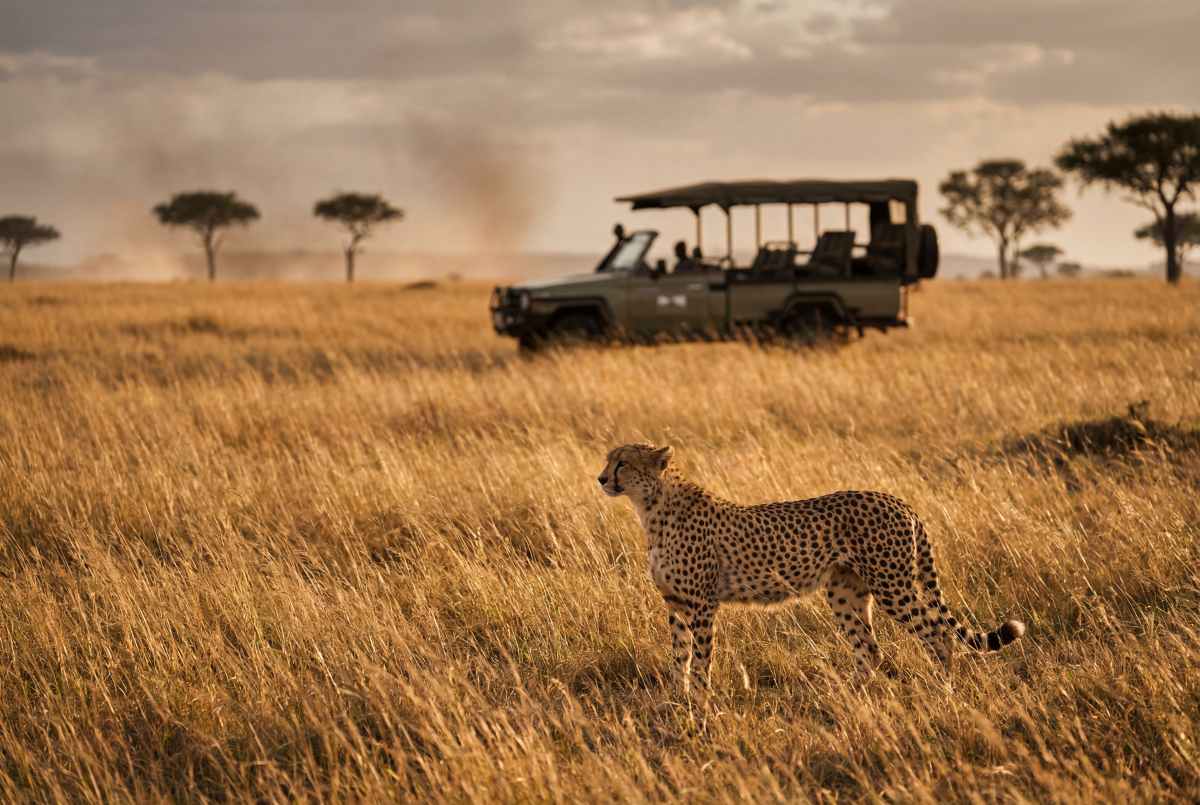
A professional guide does far more than drive. They interpret animal behaviour, anticipate movement patterns, and position vehicles for optimal viewing without disturbing wildlife.
This expertise often transforms a standard game drive into a series of extraordinary encounters. A distant silhouette becomes a leopard in a tree; scattered movement becomes a coordinated lion hunt.
Access to Hidden Knowledge
Guides have years of experience working within specific ecosystems. They understand:
- Where predators are likely to be
- Seasonal migration patterns
- Watering hole activity
- Territorial behaviours of different species
This knowledge dramatically increases the chances of witnessing rare or dramatic wildlife moments. You want to be sure to choose the best safari operator in Tanzania to be sure that your safari experience is everything you dream it to be.
Wildlife Viewing: Depth vs Distance
One of the most significant differences between guided and self-drive safaris lies in the quality of wildlife encounters.
On a self-drive safari, travellers rely on chance and limited information. Even in well-populated parks, animals may be difficult to locate without understanding their habits or following recent sightings.
On a guided safari, sightings are not just about finding animals, but about understanding them. Guides interpret interactions, explain behaviour, and position vehicles for the best possible viewing without causing disruption.
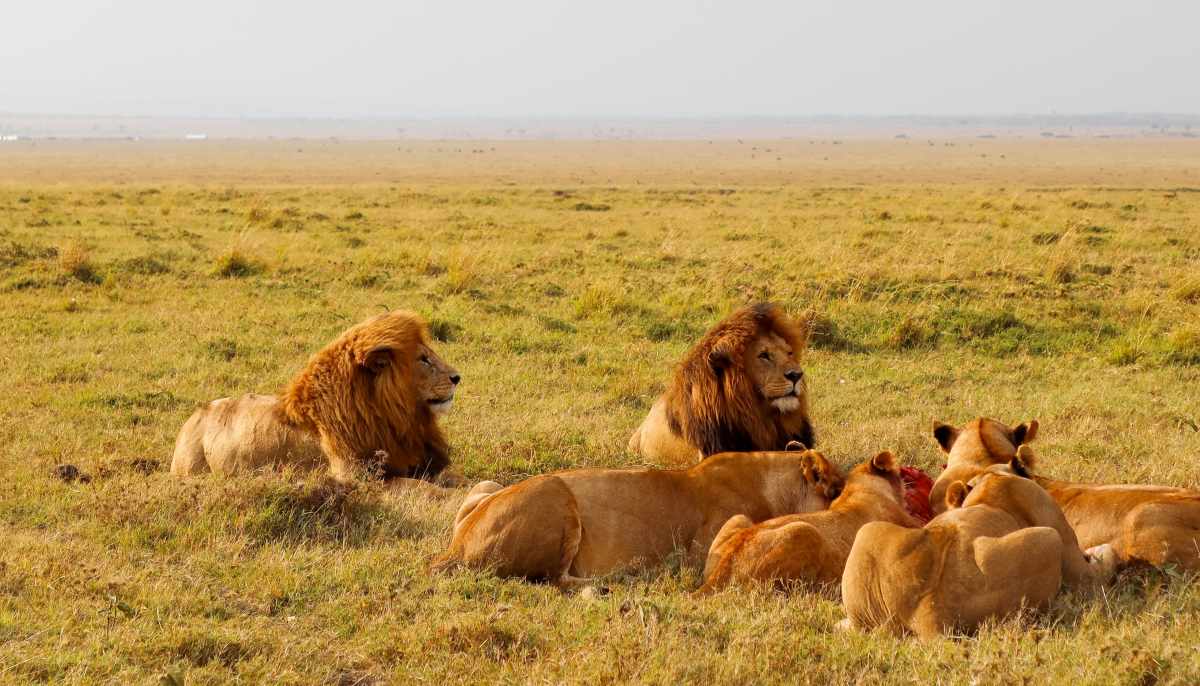
For example, what may appear to be a group of resting lions could actually be the calm before a coordinated hunt. A herd of wildebeest may signal movement linked to seasonal migration patterns. These insights elevate the entire experience.
Safety and Confidence in the Wild
Tanzania’s wilderness is both beautiful and unpredictable. While incidents are rare, understanding how to behave around wildlife is essential.
Guided safaris provide:
- Professional risk assessment
- Immediate response to wildlife behaviour
- Safe positioning of vehicles
- Clear instructions in sensitive situations
Self-drive travellers must rely entirely on their own judgement, which can be challenging in unfamiliar environments. Having an experienced guide significantly reduces uncertainty and enhances confidence throughout the journey.
Logistics and Ease of Travel
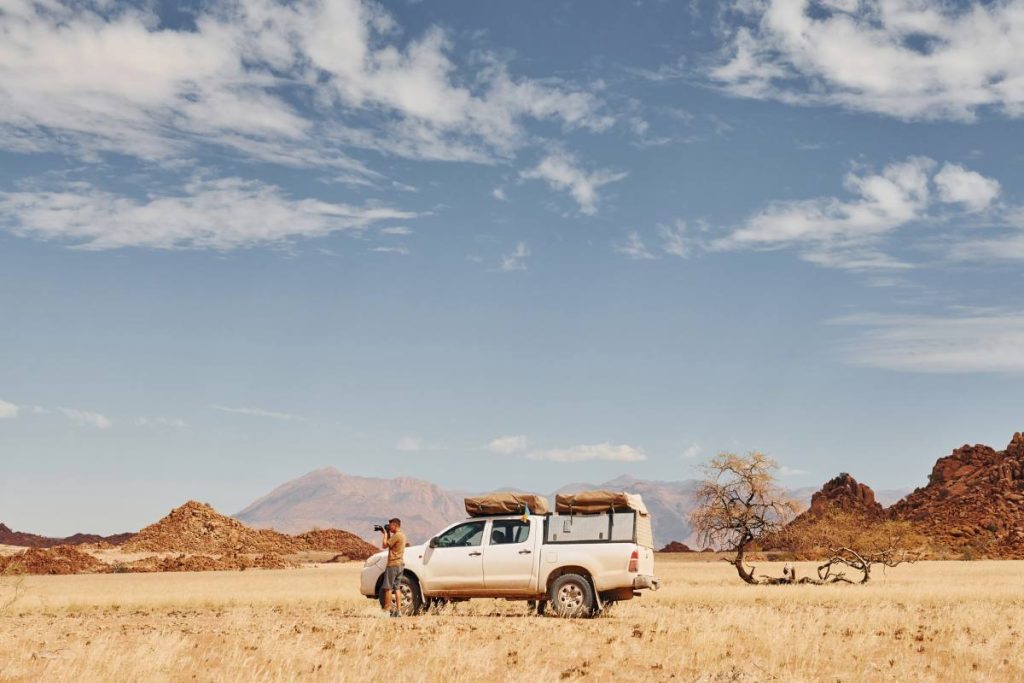
Self-drive safaris require travellers to manage every aspect of the journey independently. This includes:
- Vehicle rental and maintenance
- Route planning and navigation
- Park entry procedures
- Accommodation coordination
- Fuel and supplies
While manageable for experienced travellers, this level of responsibility can detract from the enjoyment of the safari itself.
Guided safaris remove these logistical pressures entirely. Everything from park entry to daily scheduling is handled by the operator, allowing travellers to focus solely on the experience.
This is one of the key reasons many visitors choose a premium wildlife tour package when visiting Tanzania.
Cost vs Value
Self-drive safaris often appear more affordable initially, but costs can accumulate unexpectedly. Vehicle rental, fuel, park fees, accommodation, and potential delays or inefficiencies can all impact the overall budget.
Guided safaris may have a higher upfront cost, but they offer significant value in return:
- Expertise included
- Time efficiency
- Higher wildlife success rates
- Reduced logistical stress
- Safety assurance
When evaluating overall experience, guided safaris often deliver greater value per day spent in the park.
Time Efficiency and Wildlife Encounters
Time is one of the most valuable resources on safari.
Self-drive travellers may spend hours navigating, searching for wildlife, or correcting route errors.
Guided safaris maximise time in key wildlife areas. Experienced guides know where to go, when to be there, and how long to stay for optimal sightings.
This efficiency often results in more meaningful encounters within a shorter timeframe.
Cultural and Educational Depth
One of the most overlooked aspects of guided safaris is the educational dimension. Guides provide context that transforms sightings into stories.
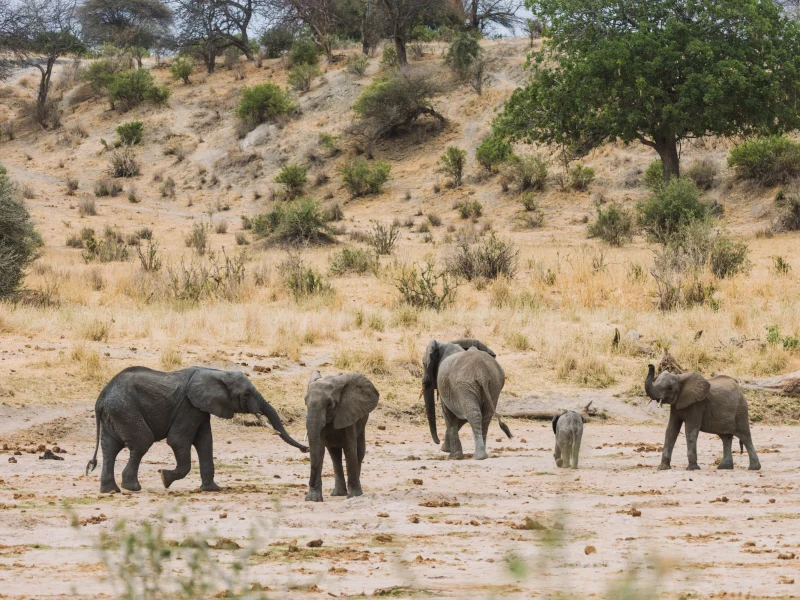
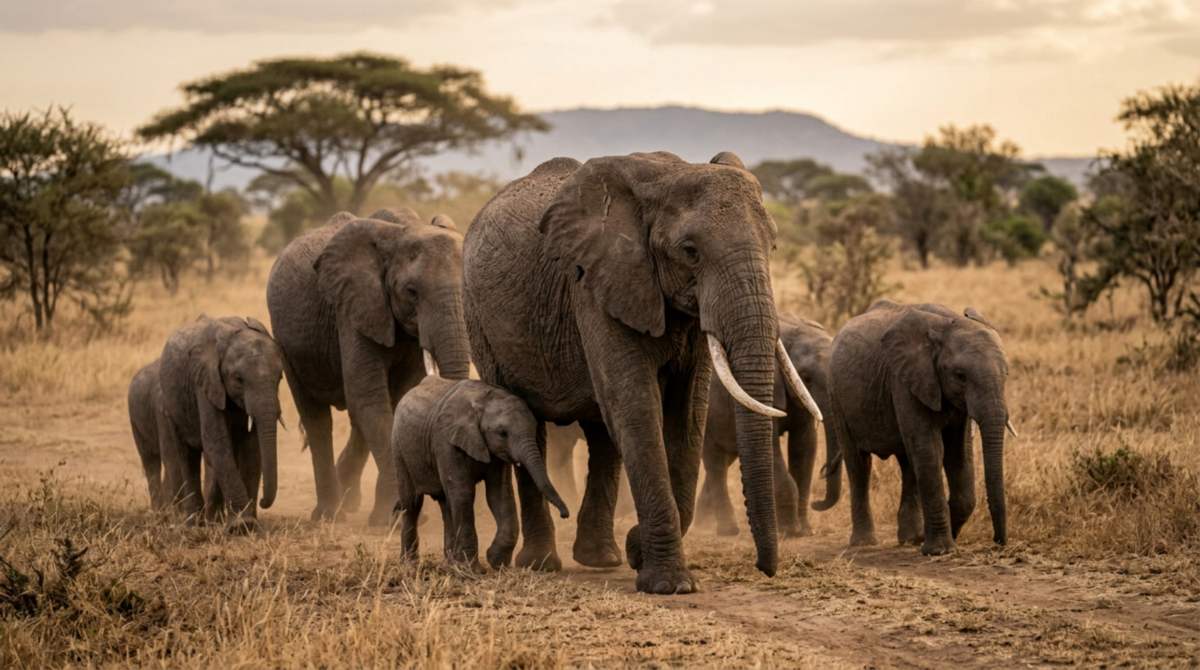
Instead of simply seeing an elephant, travellers learn about its behaviour, social structure, migration patterns, and role within the ecosystem.
This added layer of understanding creates a far richer and more memorable experience.
Flexibility Within Guided Safaris
While self-drive is often seen as more flexible, guided safaris are far from rigid. Experienced operators adjust routes, timing, and focus areas based on real-time wildlife movement and traveller interests.
This means travellers still enjoy spontaneity, but with the added benefit of expert decision-making guiding each choice.
Choosing the Right Safari Experience
For travellers weighing their options, the decision often comes down to priorities.
Self-drive may appeal if you value:
- Independence
- Driving adventure
- Budget-focused travel
- Familiarity with African road conditions
Guided safaris are ideal if you prioritise:
- Wildlife quality and frequency
- Safety and reassurance
- Educational insight
- Efficient use of time
- Stress-free travel
For most visitors, especially first-time travellers, guided safaris offer a more complete and rewarding introduction to Tanzania’s wilderness.
Make Your African Trip A Lifelong Memory
Tanzania is not a destination where wildlife is confined or predictable. It is vast, dynamic, and deeply interconnected. Experiencing it fully requires not just access, but understanding.
While self-drive safaris offer independence, they often come at the cost of missed opportunities and added complexity. Guided safaris, by contrast, unlock the deeper layers of the landscape: its behaviours, rhythms, and hidden moments.
For those seeking a truly immersive experience, working with experienced professionals is often the key to transforming a trip into something extraordinary.
And for travellers looking to combine comfort, expertise, and access to exceptional wildlife encounters, selecting the right operator ensures every moment in the bush is maximised from start to finish.
FAQs
Is a self-drive safari safe in Tanzania?
It can be safe if rules are followed, but it requires experience, preparation, and strong awareness of wildlife behaviour and park conditions.
Do guided safaris guarantee better wildlife sightings?
While no safari can guarantee sightings, guided safaris significantly increase the chances due to expert tracking and local knowledge.
Is self-drive cheaper than a guided safari?
It can appear cheaper initially, but additional costs and inefficiencies often reduce the difference.
Can I combine self-drive and guided safaris?
Yes, some travellers choose hybrid itineraries, but most benefit more from a fully guided experience.
Why do most travellers choose guided safaris in Tanzania?
Because they offer better wildlife encounters, greater safety, and a far more relaxed and informative experience.