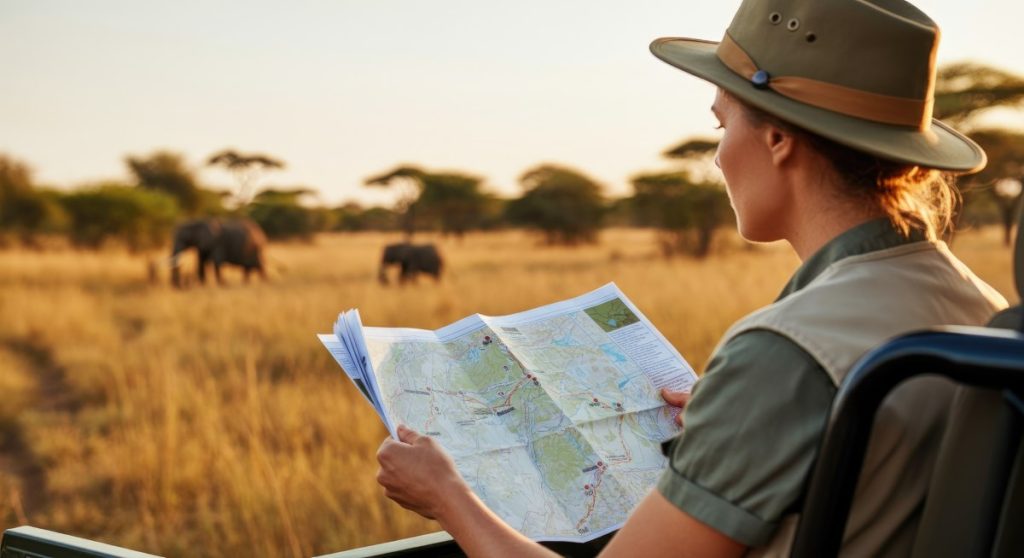
Embarking on a Tanzanian safari is an exhilarating experience. From the golden savannahs of the Serengeti to the lush forests of Lake Manyara and the volcanic slopes of Ngorongoro, the landscapes are as diverse as the wildlife that inhabits them. But alongside the excitement comes the question every traveller asks: what should I pack?
Packing correctly can mean the difference between a smooth, comfortable adventure and a journey hampered by unnecessary weight, discomfort, or forgotten essentials. For those preparing for a multi-location Tanzanian safari, attention to detail in your luggage is critical. Here’s a full breakdown of what you should pack when preparing for a safari around Tanzania, and some tips on avoiding common packing mistakes.
Clothing Essentials
The key to dressing for a safari is comfort, practicality, and versatility. Days can be hot under the African sun, while mornings and evenings, especially at higher altitudes, can be surprisingly chilly.
- Neutral Colours: Earth tones like khaki, beige, olive, and light brown are ideal. Bright colours can disturb wildlife, while dark colours may attract tsetse flies.
- Layering: Lightweight shirts and trousers for daytime, paired with fleece or thermal layers for early morning drives or higher elevations.
- Rain Gear: A light, packable rain jacket is invaluable during sudden tropical showers, especially in the wet season.
- Hat and Sunglasses: Wide-brimmed hats and UV-protection sunglasses shield you from the intense sun.
- Footwear: Comfortable, sturdy walking shoes or lightweight hiking boots are essential for park trails, while sandals or flip-flops are perfect for relaxing at camp in the evening.
Safari Gear and Accessories
The right accessories can enhance your experience and keep you prepared for every eventuality:
- Binoculars: A good pair is essential for spotting distant wildlife.
- Camera Equipment: Whether it’s a DSLR or a quality smartphone, consider lenses and memory storage for capturing sweeping landscapes and animal behaviour.
- Daypack: A small bag for water, snacks, sunscreen, and other essentials during game drives.
- Water Bottle: Hydration is vital, particularly during long drives under the sun.
- Headlamp or Torch: Useful for evening walks or navigating campsites after dark.
Health and Safety Items
Your well-being is paramount on safari. Packing health essentials ensures you’re prepared for minor issues that may arise:
- Sunscreen and Lip Balm: High SPF and broad-spectrum protection are essential.
- Insect Repellent: Mosquitoes are prevalent in some regions, so repellent containing DEET or natural alternatives is recommended.
- First-Aid Kit: Include plasters, antiseptic wipes, painkillers, and any prescription medications.
- Hand Sanitiser and Wet Wipes: Practical for long days in remote locations.
Travel Documents and Practicalities
Keeping your travel essentials organised will save you stress during your adventure:
- Passport and Visas: Always carry originals and digital copies.
- Travel Insurance: Vital for any emergencies or unforeseen circumstances.
- Cash and Cards: While major lodges accept cards, cash is useful for tips and small purchases.
- Notebook or Journal: Perfect for recording memories, sightings, and experiences during your journey.
Packing for Different Seasons and Locations
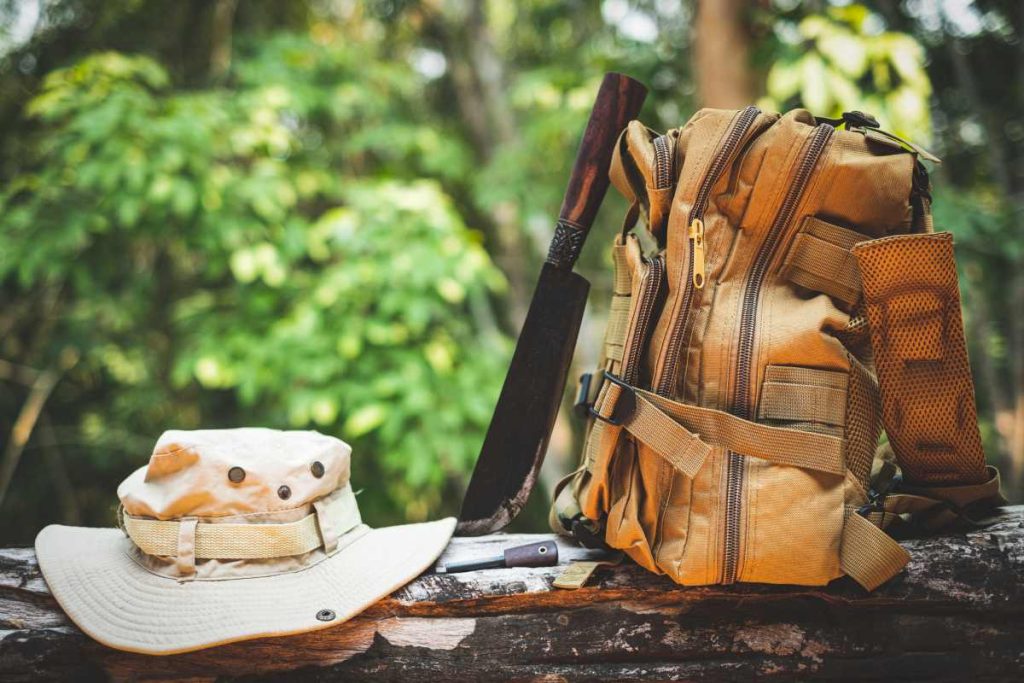
Tanzania’s climate varies by region and time of year, so packing should reflect your itinerary:
- Wet Season (November–May): Lightweight rain jackets, quick-dry clothing, and waterproof bags are important. Trails can become muddy, so sturdy shoes are essential.
- Dry Season (June–October): Cooler mornings and evenings at higher altitudes require warm layers, while midday sun still necessitates light, breathable fabrics.
- Multi-Location Safaris: If you are visiting multiple parks, plan your packing to accommodate different terrains and climates without overloading your luggage. A well-organised bag allows easy access to essentials and keeps you comfortable throughout the trip.
So long as you plan carefully and avoid overpacking, you can move efficiently between locations, whether you’re tracking predators on the plains, exploring crater rims, or observing primates in forested areas.
Optional Items for Comfort and Convenience
While not essential, the following can make your safari more enjoyable:
- Travel Pillow: Helpful for long game drives or flights between parks.
- Lightweight Scarf or Buff: Protects against dust, sun, and occasional chill.
- Snacks: Nuts, dried fruit, or energy bars can be handy during long drives.
- Travel-Sized Laundry Supplies: Some lodges offer laundry, but small detergent packets can be useful for quick washes.
Final Tips
When packing for a multi-location Tanzanian safari, less is often more. Focus on versatile, lightweight, and practical items that can be layered or mixed to suit varying conditions. Label items clearly, keep electronics and documents secure, and ensure that luggage complies with domestic flight requirements if travelling between parks.
A well-considered packing list doesn’t just make your safari more comfortable—it allows you to focus on the incredible wildlife, breathtaking landscapes, and unforgettable experiences awaiting you at every turn. By preparing thoroughly, you set the stage for an adventure that is smooth, enjoyable, and fully immersive from start to finish.
FAQs
Can I bring formal clothing on safari?
Most lodges are casual, so comfort and practicality are key. A smart outfit may be suitable for lodge dinners, but it isn’t necessary on game drives.
How much luggage is allowed for internal flights?
Typically, luggage limits range from 15–20 kg per person. Packing light is essential, especially for multi-location safaris with multiple transfers.
What should I do if I forget an essential item?
Most safari lodges carry basic toiletries and supplies, but it’s best to plan ahead to avoid inconvenience.
Are electronics and cameras safe to bring?
Yes, but consider dust protection, waterproof bags, and extra batteries or memory cards.