



Do you see a Great Wildebeest Migration safari in your future? We hope so! As safari experts living a stone’s throw from the Serengeti, where the main action takes place, we know how truly thrilling and even transformative seeing this grand natural spectacle can be. With this in mind, this guide offers our top tips for planning the ultimate Great Wildebeest Migration safari in Tanzania.
1. Choose the part of the migration you most want to see
We suggest before you do anything else, you decide which aspect of the Great Wildebeest Migration you most want to experience so you know when in the year to book your trip. For many, this is the dramatic river crossings that take place in the northern Serengeti between July and September.
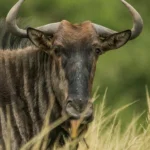
For others, it’s the calving season, when the wildebeests (as well as the zebras and gazelles who are also part of the Great Migration) birth their foals. This takes place in the southern Serengeti in January and February.
2. Book with a reputable tour operator
We highly encourage you to book your Great Migration safari in Tanzania with a licensed and experienced tour operator that has a reputation for hosting seamless Serengeti safaris. Of course a company can claim anything on its website, so be sure to read independent reviews.
Naturally, we at Mauly Tours and Safaris consider ourselves to be a great choice! We’ve been organizing and hosting Great Migration safaris for over 40 years and have a stellar track record, as shown by our online reviews.
Choosing to book with an experienced tour operator is the single best piece of advice we can give you for planning a successful Great Migration safari.
3. Pack the right clothes and accessories
You’re close to the Equator in the Serengeti, so the sun can be fierce. Bring light-colored and breathable clothes to help keep you stay cool and dry. Also important are sun hats, polarized sunglasses and broad-spectrum sunscreen.
You need to pack for the cold too. The Serengeti is on a highland plateau and can grow very cold at night (although it won’t go below freezing). Bring a beanie, gloves and a quality fleece or even winter jacket depending on how much you feel the cold. Note that you often head out on early morning safaris, and if you go on a hot air balloon ride you’ll be up high by sunrise, so a windbreaker is a good idea.
4. Purchase a visa online before your trip
You have the option of purchasing a Tanzanian tourist visa at the airport when you land. But the lines can be long. To avoid dealing with long queues after a long plane ride consider purchasing a Tanzanian e-visa online. If you’re going to be visiting another of the East African nations in the same trip (such as Rwanda for a mountain gorilla trek), then purchase an East African tourist e-visa.
5. Take these two health precautions
There aren’t any mandatory vaccines for visiting Tanzania, unless you’re coming from (or transiting through) a country with a known yellow fever risk, in which case you’ll need a certificate proving you’re vaccinated against this disease. Be sure to get the vaccine at least 10 days before traveling.
The Serengeti lies in a malarial zone, so you’ll need to take precautions against contracting it. We advise visiting your GP for personalized advice. Whether or not you decide to take anti-malaria medication, be sure to pack insect repellent. Also, wearing long-sleeved tops, long pants and closed shoes is a good idea as this helps to protect you from mosquito bites.
6. Learn a few Swahili phrases
Your safari–driver, the lodge staff and most of the others you meet on your trip will speak English, but Swahili is their first language.
To help forge meaningful connections and enjoy a more immersive experience, why not learn a few Swahili phrases before your travels? Tanzanians are very appreciative of foreigners making the effort to speak their language.
If you plan to visit a Masai community during your safari, learning a few words of Masai is also a great idea!
7. Embrace the Adventure
One of the best ways to enjoy the Great Wildebeest Migration safari is to come with a spirit of adventure and flexibility. While we have a good sense of the herds’ general patterns, nature has its own rhythm, and every year brings something a little different.
Rather than focusing on a specific moment or sight, arrive with an open mind and let the Serengeti surprise you. No matter what unfolds, you’re guaranteed an unforgettable and truly special experience that only the wild can offer.