Standing in Tanzania and Kenya respectively, these two giants dominate East Africa’s skyline. And if you’re trying to decide between them for your next climbing adventure, you’re probably wondering which one’s actually worth your time and effort.
Both are incredible mountains. Both offer proper challenges. But they’re surprisingly different experiences once you get beyond the basic “big African mountain” description.
The Height Difference
Kilimanjaro wins this one, and it’s not particularly close. At 5,895 metres, it’s Africa’s highest peak and the world’s tallest free-standing mountain. Mount Kenya sits at 5,199 metres – still seriously high, but nearly 700 metres lower.
That difference matters more than you might think. The extra altitude on Kilimanjaro means more time spent in the thin air above 5,000 metres, which is where altitude sickness really starts becoming a factor for most people. Your body needs longer to acclimatise, which is why Kilimanjaro climbs typically take 6-8 days whilst Mount Kenya can be done in 4-5.
The summit of Kilimanjaro – Uhuru Peak – is achievable for most reasonably fit people without technical climbing skills. It’s a tough hike, absolutely, but it’s still a hike. Mount Kenya’s highest point, Batian Peak, requires actual rock climbing skills and proper mountaineering equipment. Most trekkers aim for Point Lenana instead, which at 4,985 metres is the third-highest peak and doesn’t require technical climbing.
Technical Difficulty
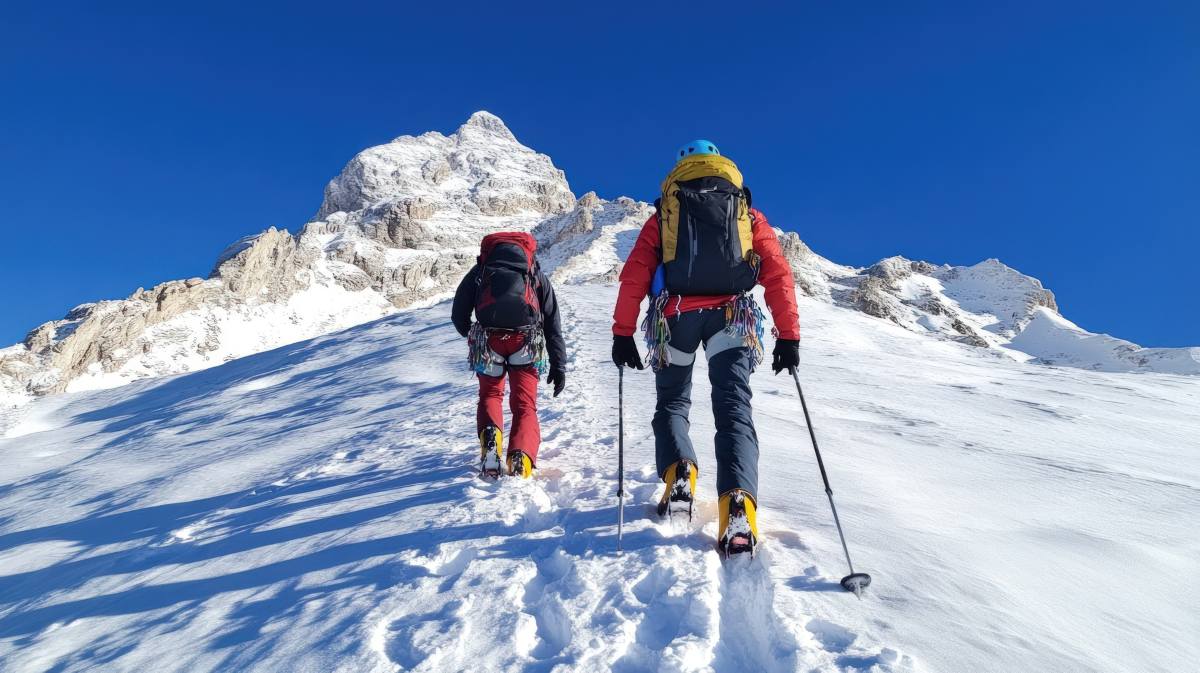
Here’s where things get interesting. Kilimanjaro is physically demanding but technically straightforward. You’re walking on established paths the entire way. No ropes, no ice axes (though trekking poles help), no scrambling over rocks. The challenge is entirely about altitude and endurance.
Mount Kenya offers multiple routes with varying difficulty levels, and several involve proper scrambling sections. Even the “easy” routes to Point Lenana include some rocky terrain that requires a bit of nerve and decent coordination. If you want to summit Batian or Nelion (the second peak), you’re looking at Grade IV/V rock climbing with ice and snow sections.
So if you’re after a high-altitude trek without technical complications, Kilimanjaro’s your mountain. If you want some actual climbing mixed in with your trekking, Mount Kenya delivers.
Scenery And Ecological Zones
Both mountains are stunning, but in different ways.
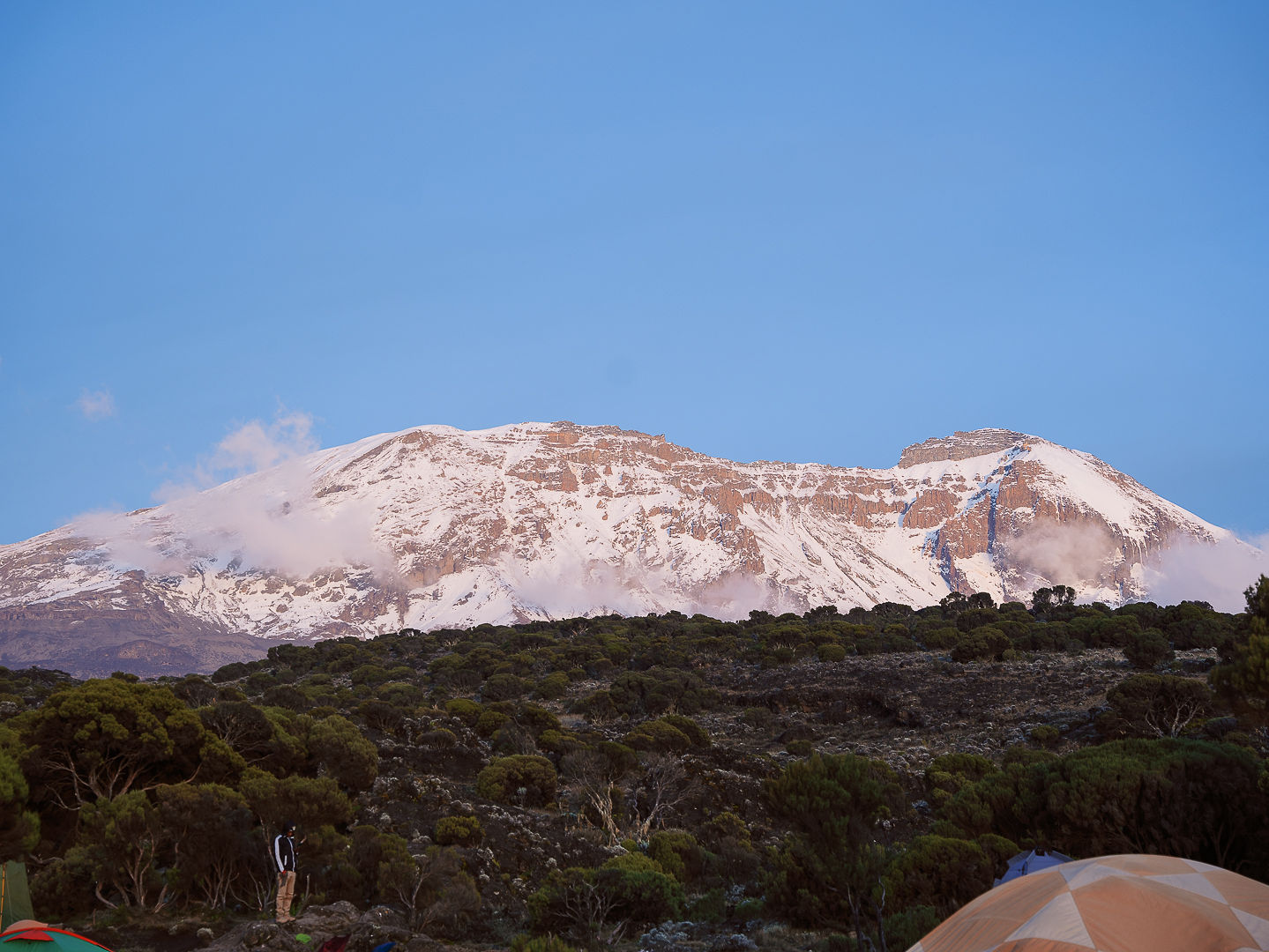
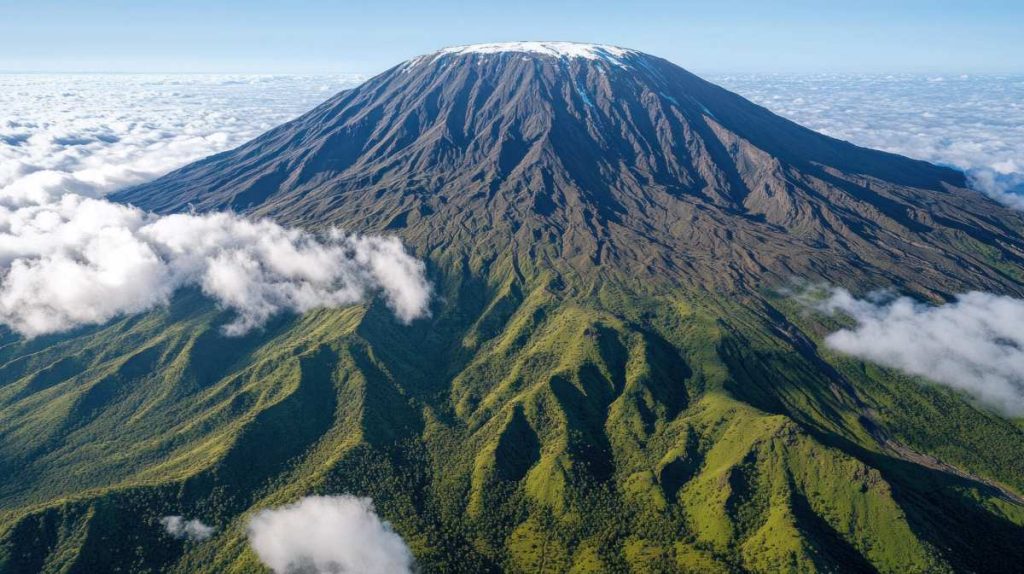
Kilimanjaro takes you through five distinct climate zones as you ascend – rainforest, moorland, alpine desert, and finally the arctic summit zone with its glaciers. The landscape changes dramatically as you climb, and that variety is part of the appeal. The moorland section around 3,000-4,000 metres, with its giant groundsels and lobelias, looks almost alien.
Mount Kenya’s scenery is more consistently dramatic throughout. Jagged peaks, glacial valleys, alpine lakes, and that distinctive equatorial high-altitude vegetation. The views of the main peaks from the various routes are spectacular – proper mountaineering vistas rather than the gentler slopes you see on most of Kilimanjaro.
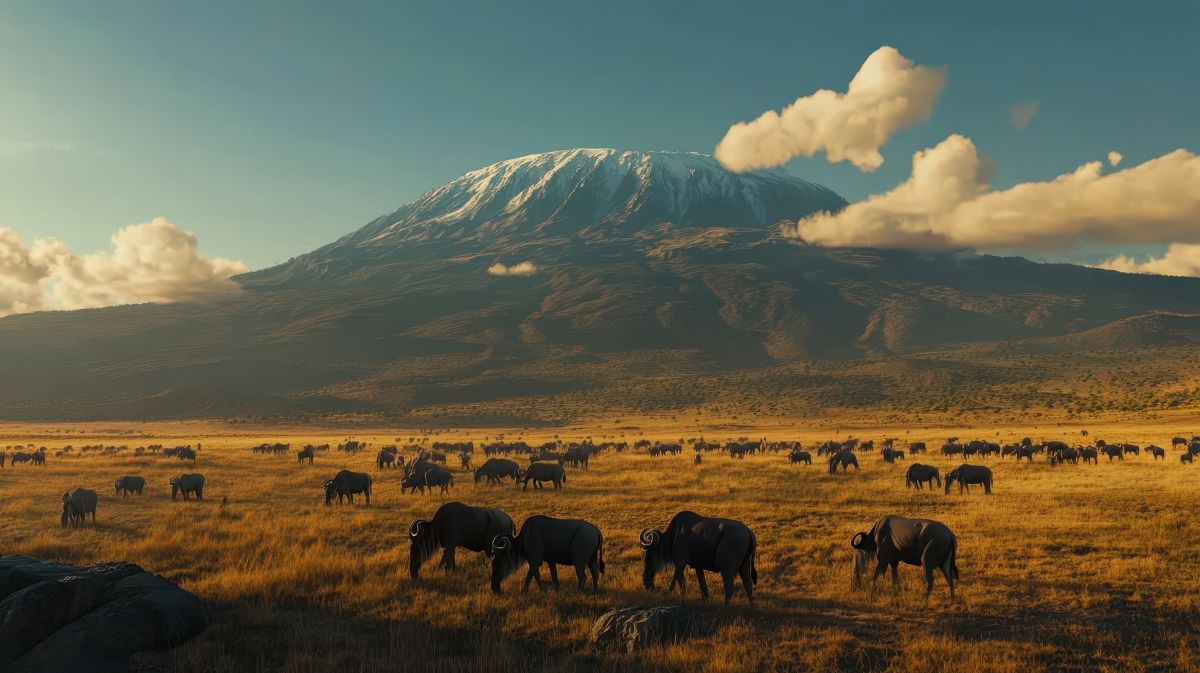
Wildlife-wise, Mount Kenya edges ahead. You’re more likely to spot animals on the lower slopes – elephants, buffalo, various antelope species. Kilimanjaro has wildlife too, but encounters are less common on the main trekking routes.
Crowds And Atmosphere
Kilimanjaro sees significantly more climbers. It’s one of the Seven Summits (the highest peak on each continent), which attracts serious mountaineers ticking off their list alongside regular trekkers. During peak season, the popular Marangu and Machame routes can feel quite busy.
Mount Kenya gets fewer visitors overall, partly because it’s less famous and partly because the technical routes naturally limit numbers. Even on the busier routes, you’ll likely have a more solitary experience.
If you value having the mountain largely to yourself, Mount Kenya wins. If you find motivation in seeing other climbers and prefer well-established infrastructure, Kilimanjaro’s popularity isn’t necessarily a downside.
Success Rates
This is tricky to compare directly because the target summit differs – Uhuru Peak versus Point Lenana – and climb durations vary.
Kilimanjaro’s overall summit success rate hovers around 65%, though this varies enormously by route and trip length. Shorter 5-day climbs have success rates below 30%, whilst longer 7-8 day routes get above 85%. It’s almost entirely about acclimatisation time. Understanding how challenging Kilimanjaro really is helps set realistic expectations.
Mount Kenya’s success rate for Point Lenana is generally higher – around 80-90% – partly because it’s lower altitude and partly because the climbs are typically better paced for acclimatisation. For the technical peaks Batian and Nelion, success rates drop considerably since you’re dealing with actual climbing difficulty, not just altitude.
Weather And Best Times To Climb
Both mountains sit near the equator, so they don’t have traditional seasons – instead, they follow wet and dry periods.
The best months for Kilimanjaro are January-March and June-October. These dry periods offer clearer skies and better summit conditions, though January-February can be quite cold at altitude.
Mount Kenya follows a similar pattern, with the driest months being January-February and August-September. The mountain creates its own weather system though, and conditions can change rapidly regardless of season.
Both mountains can technically be climbed year-round, but the wet seasons (April-May and November) mean muddy trails, reduced visibility, and generally less pleasant conditions.
Cost Considerations
Kilimanjaro climbs typically cost more. The park fees are higher, the routes are longer requiring more days of support, and the infrastructure is more developed (which sounds good but translates to higher operational costs).
Expect to pay £1,500-3,000+ for a Kilimanjaro climb depending on route, duration, and operator. Mount Kenya generally runs £800-1,500 for Point Lenana attempts, with technical climbs to Batian costing more due to the specialist guiding required.
Both require decent gear – proper boots, warm clothing for altitude, sleeping bags rated for cold temperatures. The kit list for Kilimanjaro is longer simply because you’re spending more days on the mountain.
Which One Should You Choose?
If you want to stand on Africa’s highest point and are willing to commit to a longer trek at serious altitude, Kilimanjaro delivers an iconic experience. It’s the bragging rights summit, the one people have actually heard of, and the sense of achievement is massive.
If you prefer less crowded mountains, more varied terrain, and don’t mind that the highest achievable point (without technical climbing) is lower, Mount Kenya offers a more intimate mountain experience with genuinely stunning alpine scenery.
You could argue that Mount Kenya is the “better” mountain for pure mountaineering aesthetics. But Kilimanjaro is the “better” achievement in terms of altitude and global recognition.
If you’re serious about East African mountains, you should probably climb both eventually. They’re different enough that doing one doesn’t make the other redundant. Start with our ultimate adventure on Tanzania’s highest mountain if you want the full high-altitude experience, or head to Mount Kenya first if you’re building up your altitude experience gradually.
Either way, you’re in for a proper adventure. Just pick the one that matches what you’re actually looking for rather than what sounds more impressive down the pub.