Planning your first Tanzanian safari is a little like opening the door to another world. Suddenly the names you’ve only ever read about – Serengeti, Ngorongoro, Tarangire – aren’t just places on a map. They become real, living landscapes filled with lions, elephants, flamingos, and endless horizons.
But before you find yourself watching a sunrise spill across the savannah, there’s some groundwork to do. A safari is an unforgettable experience, but getting the most out of it means understanding when to go, where to go, and what to expect once you’re deep inside the parks.
Here’s a complete guide to planning your first Tanzanian safari – simple, practical, and shaped by the flow and rhythm of travelling through East Africa.
1. Choose the Right Time to Travel
Tanzania is a year-round safari destination, but each season offers a different kind of beauty. Your timing depends on the experience you want.
Dry Season (June – October)
The most popular time to visit. Animals gather around water sources, vegetation is thinner, and sightings are easier. Days are warm, nights are cool, and the weather is reliably clear.
Green Season (November – March)
This is the time for vivid landscapes, dramatic skies, and newborn animals. Birdlife is spectacular, and crowds are smaller. Afternoon showers are common, but they rarely disrupt game drives.
Calving Season (January – February)
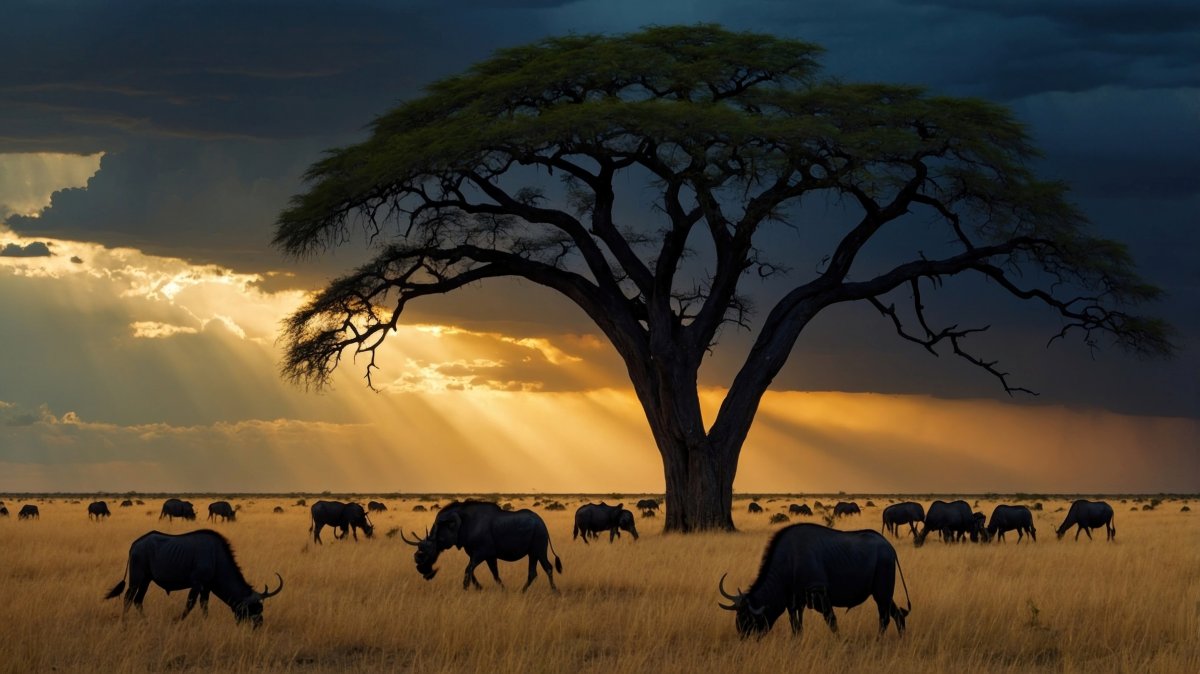
In the southern Serengeti, thousands of wildebeest give birth within a matter of weeks. With newborns attracting predators, it’s one of nature’s most intense spectacles.
There’s no “wrong” time to go – you’ll just experience a different version of Tanzania depending on the time of year you choose to go.
2. Pick the Parks That Match Your Travel Style
Tanzania has dozens of game reserves and national parks, but three stand out for first-time visitors:
Serengeti National Park
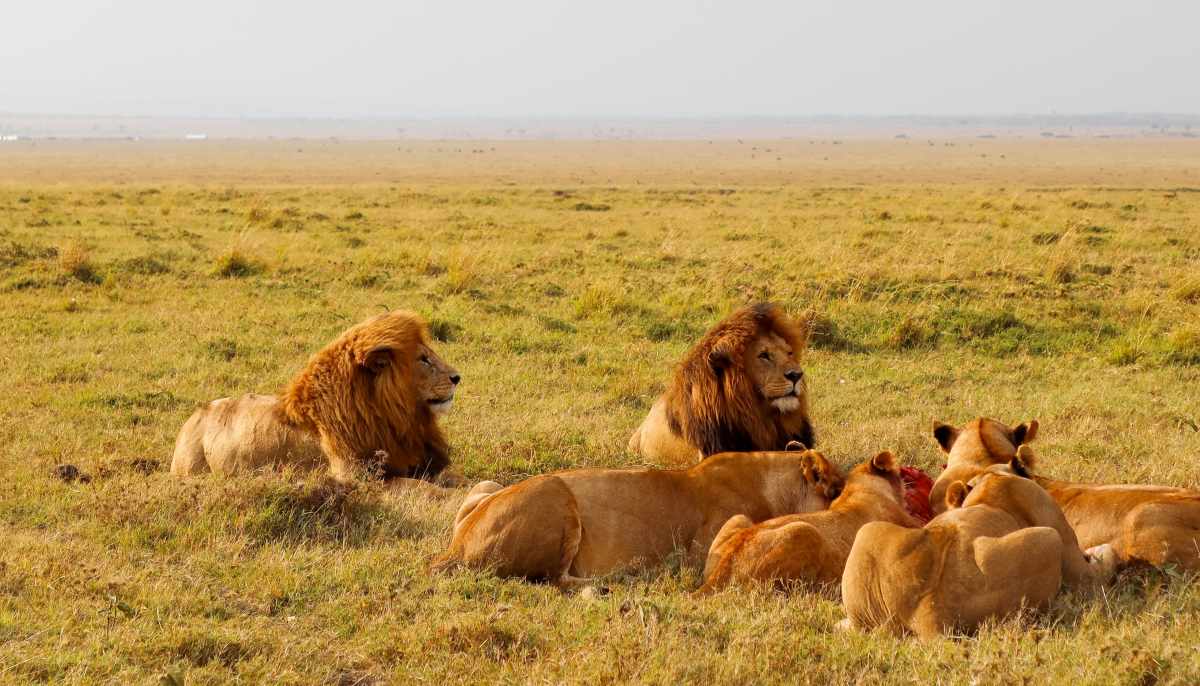
A place that barely needs introduction. It’s the setting for the Great Migration, home to big cats, and famous for endless open plains. If you’ve ever imagined a classic African safari landscape, this is probably what you’re picturing.
Ngorongoro Crater
A natural amphitheatre of wildlife, enclosed by steep crater walls. Black rhinos, lions, hyenas, elephants, flamingos – it feels like every animal has gathered in one place. It’s also one of the best regions for close-up sightings.
Tarangire National Park
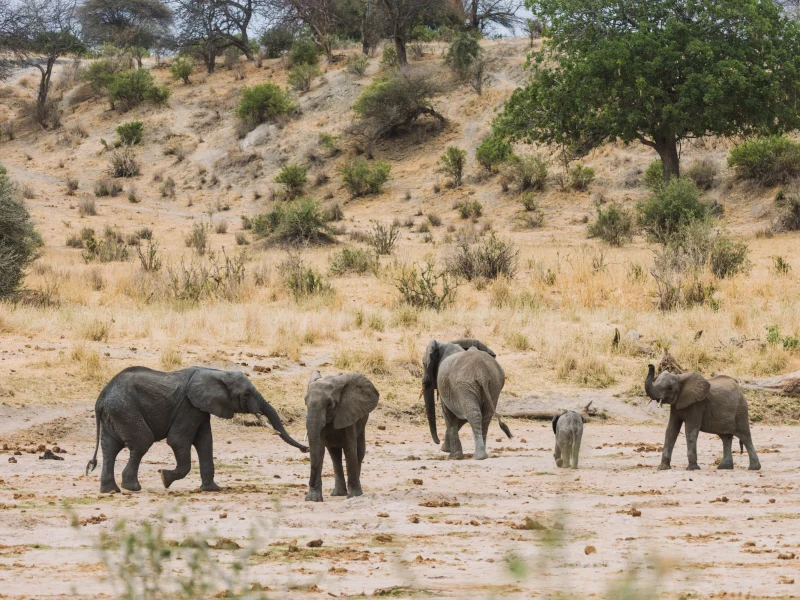
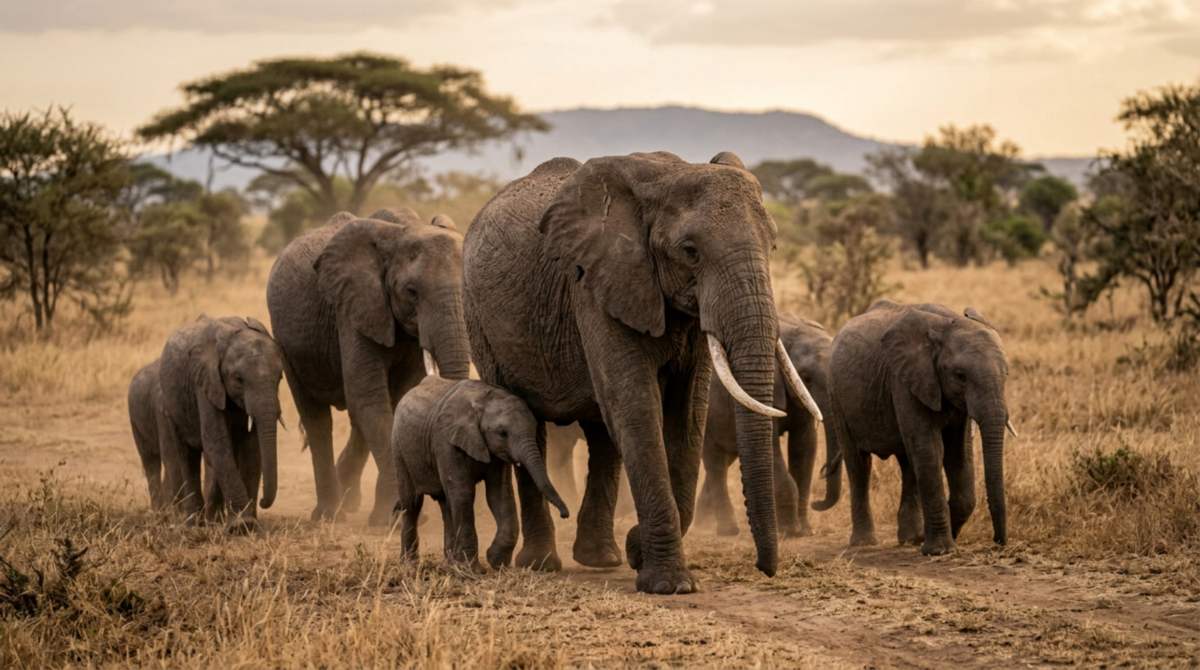
Quiet, less crowded, and known for its enormous baobab trees. During the dry season, it hosts some of the largest elephant herds in East Africa. It’s ideal if you want atmosphere, space, and beautiful scenery.
If you want a simple itinerary that doesn’t skip any highlights, you can also explore the three iconic Tanzanian national parks on a route designed specifically for first-time safari travellers.
3. Decide How Long to Stay
A safari is not something to rush. Long drives, early mornings, and the natural pace of wildlife viewing mean you need time to settle in. A good first-time structure is:
- 4-6 days for a classic introduction
- 7-10 days if you want to visit multiple parks
- More than 10 days for travellers combining safari with Zanzibar or Kilimanjaro
Remember that each park has its own feel. Moving too quickly between them can dilute the experience.
4. Understand the Safari Day Routine
Your first morning on safari begins early – often before sunrise. The wildlife is most active at dawn and dusk, so this is when you’ll head out on your first game drive. A typical day looks like this:
- Early morning game drive with golden light and active predators
- Late breakfast or brunch back at camp
- Rest during the heat of the afternoon – swim, nap, read, recharge
- Afternoon game drive as temperatures cool and animals begin to move again
- Dinner under the stars with the sounds of the bush carrying through the night
It’s a rhythm that feels both calm and deeply immersive, letting you slip into the pace of the wild.
5. Choose Your Accommodation Style
Tanzania offers a spectrum of options, from simple lodges to luxury tented camps that feel straight out of an adventure book.
Tented Camps
Don’t confuse these with basic camping. These are spacious canvas suites with proper beds, private bathrooms, and stunning views. They offer the best balance between comfort and authenticity.
Safari Lodges
More structured, with solid walls and hotel-style amenities. Ideal for travellers who prefer something familiar.
Mobile Camps
Seasonal camps that move with the Great Migration. They place you right where the wildlife action is.
Your comfort level matters, but so does the setting – nothing compares to drifting off to sleep with distant lions calling.
6. Pack Smart for the Bush
Safari packing doesn’t have to be complicated, but it does need to be thoughtful. Here’s what you’ll want:
- Neutral-coloured clothing (green, beige, brown)
- Light layers for cool mornings and warm afternoons
- Comfortable walking shoes
- A hat and sunglasses
- Insect repellent
- Binoculars (you’ll use them every day)
- A good camera, if photography is important to you
Avoid bright colours, which can stand out in the bush.
7. Know What Wildlife You Can Expect to See
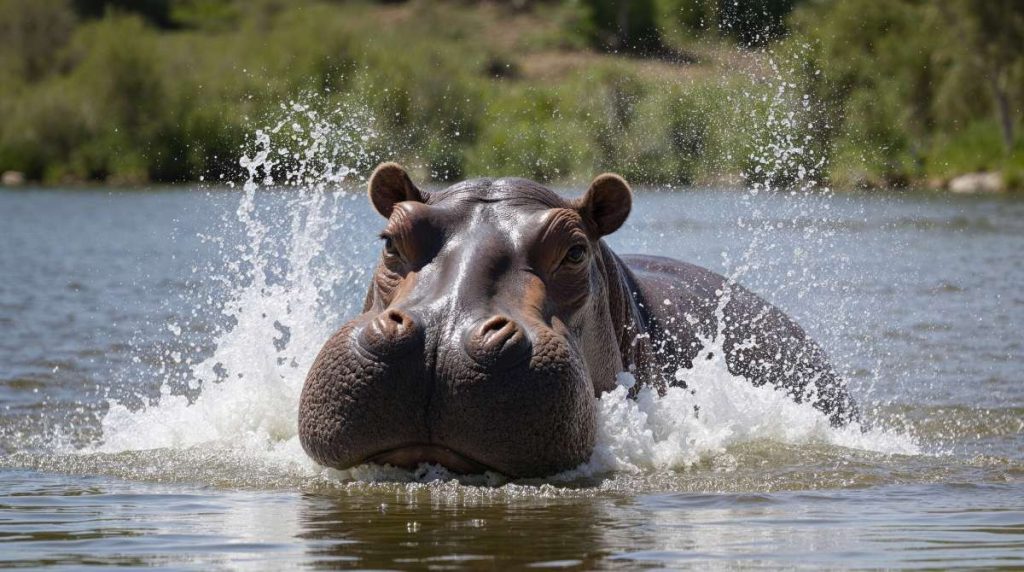
Every safari is different, and no guide can promise sightings – but Tanzania offers some of the best odds in Africa. In the northern circuit parks, you’ll likely encounter:
- Lions
- Elephants
- Giraffes
- Zebras
- Wildebeest
- Hippos
- Hyenas
- Buffalo
- Gazelles
- Flamingos
And if you’re lucky, maybe even a leopard or black rhino.
8. Learn About Local Culture and Etiquette
Safari guides are often from communities surrounding the parks. They know the landscape intimately and are proud to share their culture. Respect, curiosity, and open conversation go a long way.
If you’re planning to explore beyond the parks, here are some of the most fun things to do in Tanzania, ranging from cultural experiences, food tours, and coastal adventures.
9. Let the Pace of Nature Guide You
The best safaris are unhurried. You might spend twenty minutes watching a lion sleep, or follow a herd of elephants as they move across the plain. It’s not about ticking off animals – it’s about being present in the moment.
Patience rewards you with scenes you could never script: a cheetah scanning the horizon, a giraffe bending awkwardly to drink, or a herd of wildebeest crossing a dusty track just metres from your vehicle.
Final Thoughts
Your first Tanzanian safari will stay with you long after you fly home. It’s the quiet moments, the vast skies, and the closeness of wildlife that make it unlike any other journey. With the right planning – choosing the right parks, the right season, and the right pace – you’ll experience a side of Tanzania that changes how you see the world.
When you’re ready to step into the savannah for the first time, Tanzania is waiting – wild, beautiful, and unforgettable.