


Mount Kilimanjaro has a way of capturing the imagination. Maybe it’s the snow-capped summit rising above the Tanzanian plains, or the idea that ordinary people can stand on the roof of Africa without needing to be mountaineers.
But with that fascination comes plenty of myths – stories passed around campfires, exaggerated tales from friends of friends, or assumptions made by people who’ve never set foot on the mountain.
Some of these myths are harmless. Others can affect your expectations, your preparation, and even your safety. So if you’re thinking about climbing Kilimanjaro, or you’re simply curious about what the experience is really like, here are seven of the most common misconceptions – and the truth behind them.
1. “Kilimanjaro is an easy climb.”
This is probably the most widespread myth, and it’s not entirely surprising. After all, Kilimanjaro is classed as a trekking peak, not a technical one. You don’t need ropes, crampons, or rock-climbing experience. But equating “non-technical” with “easy” is where the misunderstanding begins.
Even if you choose to explore Kilimanjaro’s scenic trails with expert local guides, the altitude is the real challenge and as you climb higher, oxygen levels drop to around half of what they are at sea level.
Even fit climbers feel the strain, and many experience headaches, nausea, or dizziness. The long days on your feet, the rapid weather changes, and the cold summit night all add to the difficulty.
Can you reach the top without being an elite athlete? Absolutely. But calling it “easy” does a disservice to the mountain, and to the preparation your body needs.
2. “Only highly experienced climbers can summit.”
At the opposite end of the spectrum, some believe Kilimanjaro is reserved for mountaineers. This myth probably exists because Kilimanjaro is one of the famous Seven Summits, which includes peaks like Everest and Denali.
The truth? People of all backgrounds reach Uhuru Peak every year – teachers, students, retirees, charity trekkers, first-time hikers. The mountain is challenging, but accessible.
With proper acclimatisation, a sensible pace, and experienced guides, thousands of beginners succeed each season.
The first-ever expedition to reach the summit was led by Hans Meyer and Ludwig Purtscheller. It took place in 1889 – a story worth reading in our article on the first person to climb Kilimanjaro.
3. “Altitude sickness only affects unfit people.”
This is one of the most dangerous myths because it encourages overconfidence. Altitude sickness doesn’t care how fast you can run or how much you lift. It affects trained marathon runners as easily as it does casual hikers.
What matters is your body’s ability to acclimatise, and that varies from person to person. Some symptoms are mild, like headaches and reduced appetite. Others are more serious, such as vomiting and disorientation.
The best defence is not your fitness but your pace. Slow ascents, acclimatisation days, and attentive guides are what make the biggest difference.
4. “You can climb Kilimanjaro alone.”
Technically, you can’t. Tanzanian park regulations require all climbers to use licensed guides and registered trekking companies. This isn’t bureaucracy for the sake of it – it’s a safety measure.
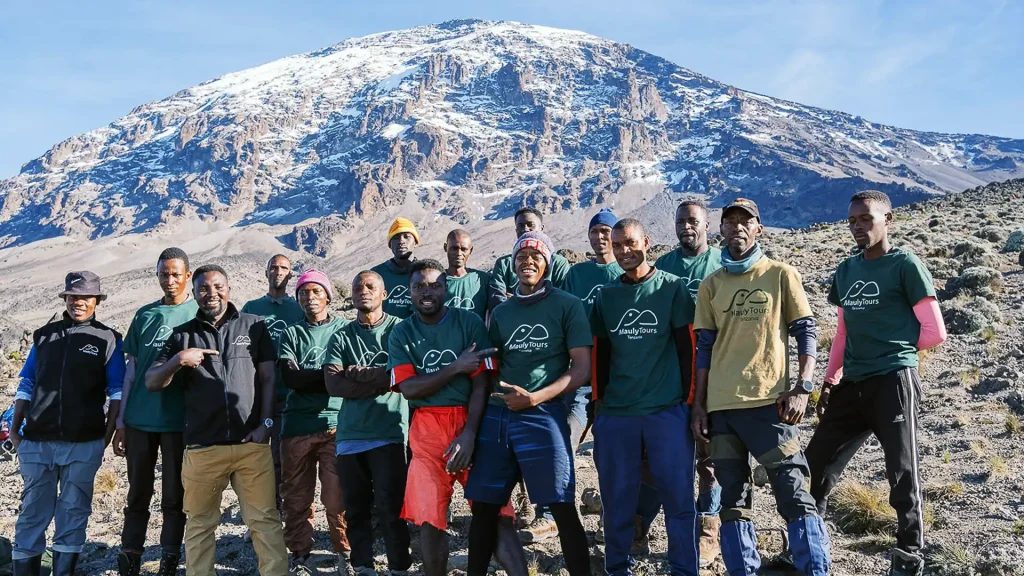
Guides know the terrain, the weather patterns, and the early signs of altitude sickness. They set the pace, monitor your wellbeing, and make essential decisions on summit night. And on top of that, porters carry equipment, food, and supplies, making the expedition both possible and sustainable.
Climbing with professionals doesn’t just increase your chances of reaching the summit – it protects the mountain itself.
5. “The mountain is always freezing.”

Kilimanjaro is famous for ice and snow, but the climate varies dramatically. In the rainforest zone at the base, temperatures can reach 25-30°C with high humidity. By the alpine desert, harsh sunlight and strong winds create rapid swings in temperature. At the summit, the cold becomes intense, often dropping below -15°C.
It’s not one climate. On your way to the top, you’ll go through five different climates. This is why layered clothing is crucial. You might begin your day in a T-shirt, trek through cool mist by afternoon, and face bitter winds just a few hours later.
Understanding these climate zones is key to packing properly and pacing yourself throughout the climb.
6. “Summit night is dangerous and impossible.”
Summit night has a reputation for being brutal: a midnight wake-up, freezing temperatures, and slow progress in the dark. And yes – it’s tough. No point sugar-coating that part.
But “impossible”? Not at all. This final ascent is designed to maximise your chances of success.
The early start allows you to reach Uhuru Peak at sunrise, when winds are calmer and temperatures slightly more forgiving. Your guides set the pace, monitor your health, and know when to push and when to rest.
The climb is slow, steady, and rhythmic – not a race. And when the first light breaks across the glaciers, many climbers describe the moment as one of the most profound of their lives.
7. “All routes to the summit are the same.”
Another myth that can cause confusion. Kilimanjaro has several established routes, each offering different terrain, scenery, and acclimatisation profiles.
- Machame: scenic, popular, and well balanced
- Lemosho: quieter, longer, excellent acclimatisation
- Rongai: gentle slopes from the northern side
- Marangu: the only route with hut accommodation
- Northern Circuit: the longest and best for acclimatisation
Choosing the right route can dramatically influence your experience and success rate. Longer routes give your body more time to adapt, making them ideal for first-time climbers.
Final Thoughts
Myths tend to stick around because they sound dramatic or exciting. But the truth about Kilimanjaro is even better than the rumours. It’s a mountain that is challenging but accessible, wild yet safe in the hands of experienced guides, and dramatic without demanding technical climbing skills.
And that’s why people travel from all over the world to stand on its summit. Not because it’s easy, or because it’s incredibly dangerous, but because it offers something rare: an adventure that transforms you along the way.
If you’re considering the climb, take the time to separate fact from fiction and step onto the mountain with confidence, clarity, and a sense of excitement about what lies ahead.