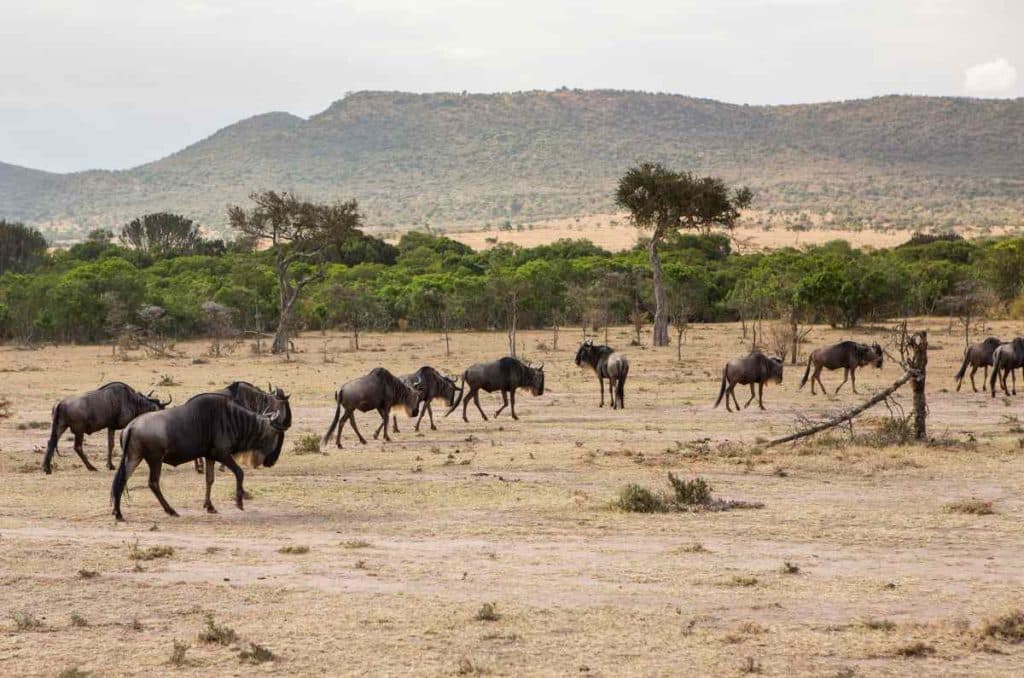
The world's largest intact volcanic caldera: a natural amphitheatre of wildlife that lives together on one crater floor.
Plan a trip here →The Ngorongoro Crater is a collapsed volcano about 20 km across and 600 m deep, and its floor is a self-contained ecosystem of grassland, swamp, forest and soda lake. Lions, elephants, buffalo, hippos and one of Africa's few reliable populations of black rhino share the space, and you can watch them from the crater rim in the morning mist.
What makes Ngorongoro different is the scale and closeness of the wildlife in a single bowl. The steep walls keep most animals inside all year, so sightings do not depend on migration. A half-day descent can produce lions, hyenas, flamingos on Lake Magadi and, with luck, a black rhino.
It is a UNESCO World Heritage Site and a multi-use conservation area where Maasai pastoralists still graze livestock on the highlands. Beyond the crater, the area offers walks to Olmoti, Empakaai and the ancient Olduvai Gorge, where early-human fossils were found.
Peak months: Jun, Jul, Aug, Sep, Oct.
Good all year, since the crater's wildlife lives there permanently. June to October offers the clearest skies and firmest tracks. November to May is greener with fewer vehicles, though April and May can be muddy. Rim temperatures are cool year-round.
Roughly a three- to four-hour drive from Arusha, usually as part of a northern circuit with the Serengeti, Tarangire and Lake Manyara.
Tell us your dates and interests — we’ll shape a private itinerary around Ngorongoro.
Enquire Now →